

NEWS
Exploring the Versatile Applications of Sodium-Ion Batteries
Release time:
2025-12-22
Dive into the world of sodium-ion batteries and discover their innovative applications, benefits, and future potential.
The Rise of Sodium-Ion Batteries in Energy Storage
As global demand for energy storage continues to grow, battery technologies are evolving beyond traditional lithium-ion systems. Among the emerging alternatives, sodium-ion batteries are gaining increasing attention, particularly in the stationary energy storage sector. With advantages in material availability, cost structure, and safety, sodium-ion technology is positioning itself as a practical solution for large-scale and long-duration storage applications.
Why Sodium-Ion Batteries Matter for Energy Storage
One of the core strengths of sodium-ion batteries lies in their raw materials. Sodium is widely available and evenly distributed across regions, significantly reducing supply chain risks associated with lithium and other critical minerals. This abundance translates into more stable pricing and long-term cost predictability—key factors for grid-scale and commercial energy storage projects.
From a manufacturing perspective, sodium-ion batteries can leverage existing battery production infrastructure with relatively minor modifications. This compatibility lowers the barrier to scaling production and accelerates commercialization, especially for stationary systems where volumetric energy density is not the primary constraint.
Grid-Scale and Renewable Energy Applications
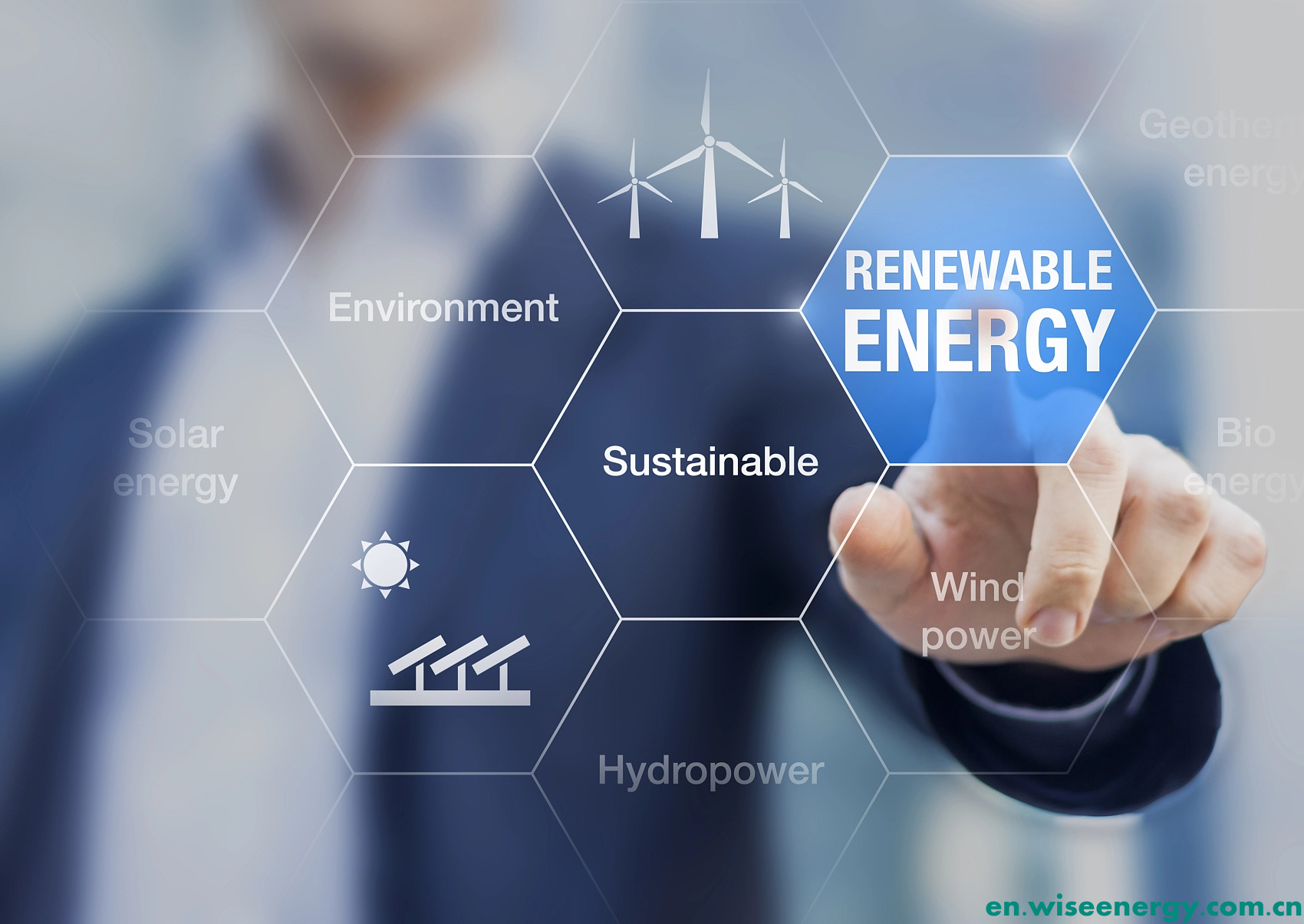
Sodium-ion batteries are particularly well suited for grid-level energy storage and renewable energy integration. In solar and wind power systems, they can store excess electricity generated during peak production periods and release it when generation drops or demand increases. This capability helps mitigate intermittency issues and improves the overall reliability of renewable energy assets.
In addition, sodium-ion batteries perform well in applications such as peak shaving, load shifting, and backup power. Their stable electrochemical behavior and tolerance for frequent charge–discharge cycles make them suitable for daily operation in utility-scale storage systems.

Safety and Operating Conditions
Safety is a critical consideration in stationary energy storage, especially for installations near residential or commercial areas. Compared with lithium-ion batteries, sodium-ion batteries generally exhibit better thermal stability and a lower risk of thermal runaway. This characteristic simplifies system-level safety design and reduces the need for complex fire suppression measures.
Sodium-ion batteries also demonstrate strong performance across a wide temperature range, making them suitable for outdoor installations and harsh operating environments. This resilience is particularly valuable for remote energy storage sites and developing regions with limited climate control infrastructure.
Cost Advantages in Long-Term Deployment
While sodium-ion batteries currently have lower energy density than lithium-ion batteries, this limitation has less impact in stationary energy storage, where space and weight constraints are less critical. In return, system integrators benefit from lower material costs and reduced exposure to volatile commodity markets.
As production scales up and technology continues to mature, the cost gap is expected to widen further in favor of sodium-ion batteries, strengthening their competitiveness in long-duration and large-capacity storage projects.
Challenges and Ongoing Development
Despite rapid progress, sodium-ion batteries still face challenges related to cycle life, energy density, and long-term performance consistency. However, continuous advancements in cathode materials, electrolytes, and cell design are steadily improving these parameters. For many grid and commercial storage applications, current performance levels are already sufficient to meet operational requirements.
Outlook for the Energy Storage Industry
Sodium-ion batteries are not positioned to replace lithium-ion technology entirely, but rather to complement it. In applications where cost control, safety, and sustainability are prioritized over maximum energy density, sodium-ion batteries offer a compelling alternative.
As the energy storage industry expands alongside renewable energy deployment, sodium-ion technology is expected to play an increasingly important role in building resilient, scalable, and cost-effective power systems.
Conclusion
For stationary energy storage, sodium-ion batteries represent a balanced solution that aligns economic feasibility with operational reliability. With ongoing technological improvements and growing industry adoption, sodium-ion batteries are set to become a key component of future energy storage infrastructure.
Relevant information


Main office: Room 501, Building 3, No. 81, Dingye Road, Tangjiawan Town, High-tech District, Zhuhai City, Guangdong Province, China 519000
Manufacturing Center:Zhongneng Science Park, No. 168, Tanlong North Road,Tanzhou Town, Zhongshan, China
R&D and Sales Center in Oxford, UK:47,The Lawns, Kennington Road,Radley,Oxfordshire, UK, OX14 2JR
SAF Coolest v1.3.1.2 设置面板 GAGSD-ZGYF-JFAVE-ZQZ
无数据提示
Sorry, the current column is being updated, please look forward to it!