


NEWS
Exploring the Bright Future of Lithium Titanate Batteries: Applications and Beyond
Release time:
2025-12-29
Discover the promising applications and future of lithium titanate batteries in various industries.
The Rise of Lithium Titanate Batteries
In recent years, the buzz around lithium titanate batteries has been hard to ignore. With a growing emphasis on cleaner energy and sustainable technologies, these batteries, known for their rapid charging capabilities and longevity, are stepping into the spotlight. But what does the future hold for these powerhouses? Let's dive into the potential of Prospects of Lithium Titanate Batteries, or the prospects of lithium titanate batteries, particularly in various application scenarios.
A Quick Overview: What Are Lithium Titanate Batteries?
So, what's all the fuss about? Lithium titanate batteries are a type of rechargeable battery that utilizes lithium titanate as the anode material. Unlike traditional lithium-ion batteries, which use graphite, these batteries offer a remarkable performance boost. They can charge in mere minutes, have a broader temperature range, and boast impressive cycle life. Talk about a game-changer!
Applications That Are Taking Off
When it comes to application scenarios, the possibilities are practically endless. Here are a few sectors where the future of lithium titanate batteries shines bright:
1. Electric Vehicles (EVs)
One of the most talked-about applications is in the electric vehicle sector. With the world racing towards a greener future, manufacturers are on the lookout for batteries that can provide quick charging without compromising longevity. Lithium titanate batteries check all the boxes. They can endure rapid charging and high discharge rates, making them ideal for EVs. With the right infrastructure, we could see a surge in their adoption.
2. Renewable Energy Storage
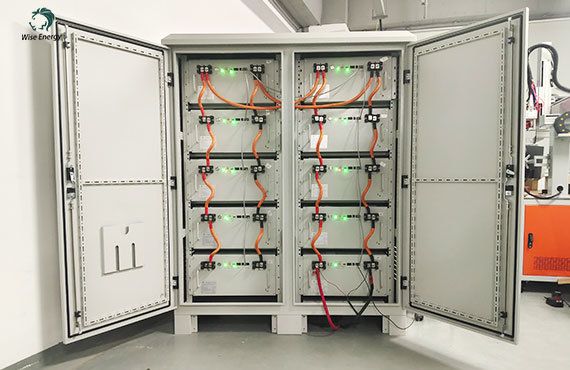
Imagine harnessing solar energy during the day and using it at night without a hitch. Lithium titanate batteries excel in this area, providing a reliable solution for energy storage in renewable setups. Their ability to handle high charge and discharge cycles makes them perfect for pairing with solar panels and wind turbines.
3. Grid Stabilization
As power grids become increasingly complex, the need for stabilization solutions is paramount. Lithium titanate batteries can quickly respond to fluctuations in demand, helping to maintain grid stability. This application is not just beneficial; it's essential for the future of energy management.
The Environmental Edge
In a world grappling with climate change, the environmental benefits of lithium titanate batteries cannot be overlooked. They are less toxic than their lithium-ion counterparts and can be recycled more efficiently. This means that as we transition to cleaner technologies, lithium titanate batteries could play a significant role in reducing our carbon footprint.
Challenges Ahead
Now, don't get too carried away just yet. While the prospects of Prospects of Lithium Titanate Batteries are indeed exciting, there are challenges to consider. The production costs for lithium titanate batteries are currently higher than traditional options, which could slow adoption rates. Moreover, there's still a need for more research to improve their energy density further. However, with ongoing advancements, it's only a matter of time before these hurdles are overcome.
Conclusion: A Bright Future Awaits
In summary, the future of lithium titanate batteries looks promising across various applications. Whether it's powering electric vehicles, stabilizing energy grids, or facilitating renewable energy storage, these batteries are set to change the game. As we continue to innovate and overcome existing challenges, the prospects of Prospects of Lithium Titanate Batteries will undoubtedly expand, paving the way for a more sustainable energy future. So, buckle up; it's going to be an electrifying ride!
Relevant information


Main office: Room 501, Building 3, No. 81, Dingye Road, Tangjiawan Town, High-tech District, Zhuhai City, Guangdong Province, China 519000
Manufacturing Center:Zhongneng Science Park, No. 168, Tanlong North Road,Tanzhou Town, Zhongshan, China
R&D and Sales Center in Oxford, UK:47,The Lawns, Kennington Road,Radley,Oxfordshire, UK, OX14 2JR
SAF Coolest v1.3.1.2 设置面板 GAGSD-ZGYF-JFAVE-ZQZ
无数据提示
Sorry, the current column is being updated, please look forward to it!