


NEWS
The Future of Sustainable Energy: Off Grid Inverters Made in China
Release time:
2024-01-24
Discover how China is leading the way in sustainable energy with off-grid inverters. Learn about the latest advancements in technology, the benefits of off-grid inverters, and how they are shaping the
Table of Contents
1. Introduction
2. The Rise of Sustainable Energy
3. Understanding Off-Grid Inverters
4. Advancements in Off-Grid Inverter Technology
5. Benefits of Using Off-Grid Inverters
6. China's Dominance in Off-Grid Inverter Manufacturing
7. Competitive Pricing and High-Quality Products
8. Future Trends and Innovations in Off-Grid Inverters
9. Frequently Asked Questions (FAQs)
10. Conclusion
1. Introduction
In recent years, the global demand for sustainable energy solutions has been on the rise. As countries strive to reduce their carbon footprint and transition towards cleaner energy sources, off-grid inverters have emerged as a crucial component in the quest for sustainable energy. This article explores the future of sustainable energy and how off-grid inverters made in China are leading the way.
2. The Rise of Sustainable Energy
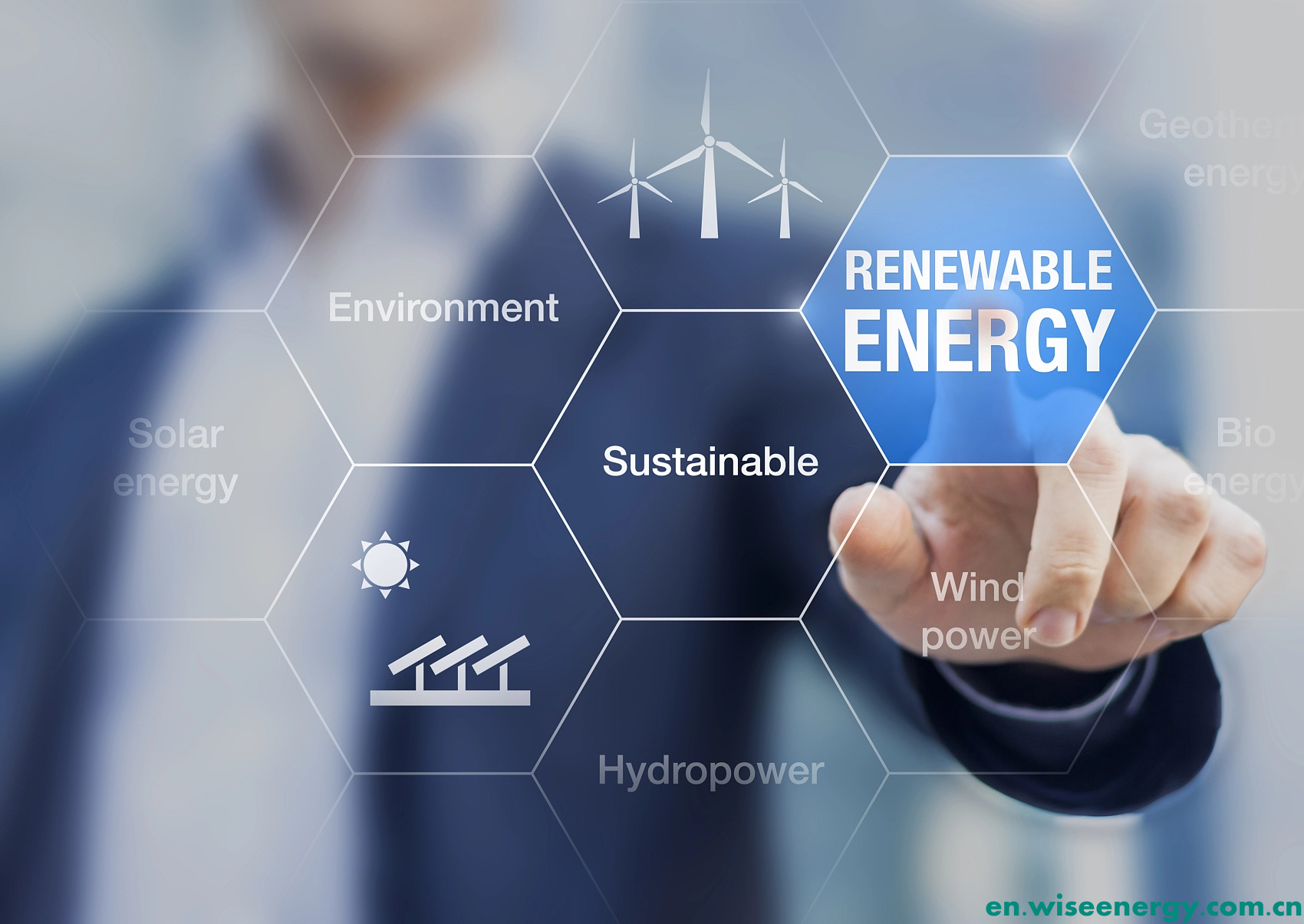
With the growing concerns about climate change and the depletion of traditional energy sources, the demand for sustainable energy has gained significant momentum. Governments and organizations worldwide are investing in renewable energy technologies such as solar, wind, and hydroelectric power. These sources not only provide a greener alternative to fossil fuels but also offer a more reliable and long-term solution.
3. Understanding Off-Grid Inverters
Off-grid inverters play a vital role in sustainable energy systems by converting the direct current (DC) generated from renewable energy sources, such as solar panels or wind turbines, into alternating current (AC) for use in households and industries. Unlike grid-tied inverters, off-grid inverters are designed for standalone systems that are not connected to the utility grid. This independence allows for greater flexibility and reliability in areas without access to reliable electricity grids.
4. Advancements in Off-Grid Inverter Technology
The rapid advancements in off-grid inverter technology have contributed to the widespread adoption of sustainable energy solutions. Modern off-grid inverters are equipped with advanced features such as maximum power point tracking (MPPT) algorithms, battery management systems, and smart grid integration capabilities. These innovations optimize energy conversion efficiency, enhance system performance, and enable seamless integration with other renewable energy components.
5. Benefits of Using Off-Grid Inverters
Utilizing off-grid inverters offers several advantages for both residential and commercial applications. Firstly, they provide energy independence, allowing users to generate and store their own electricity, reducing reliance on the utility grid. This is particularly beneficial in remote or off-grid locations where access to electricity is limited. Secondly, off-grid inverters enable the use of renewable energy sources, reducing carbon emissions and promoting environmental sustainability. Additionally, off-grid systems offer cost savings in the long run, as they eliminate or minimize monthly electricity bills.
6. China's Dominance in Off-Grid Inverter Manufacturing
China has emerged as a global leader in the manufacturing of off-grid inverters. With its vast manufacturing capabilities, extensive supply chains, and competitive pricing, China has become the go-to destination for off-grid inverter production. Chinese manufacturers benefit from economies of scale, allowing them to produce high-quality inverters at a lower cost compared to their international counterparts. This has significantly contributed to the affordability and accessibility of off-grid inverters worldwide.
7. Competitive Pricing and High-Quality Products
One of the key advantages of off-grid inverters made in China is their competitive pricing. Chinese manufacturers have streamlined their production processes, resulting in cost-effective products without compromising on quality. The stringent quality control measures implemented by these manufacturers ensure that the inverters meet international standards and perform reliably in various operating conditions. This combination of affordability and quality has positioned Chinese off-grid inverters as a popular choice in the global market.
8. Future Trends and Innovations in Off-Grid Inverters
As the demand for sustainable energy continues to grow, the future of off-grid inverters looks promising. Manufacturers are investing in research and development to improve the efficiency and performance of these devices. Some of the key areas of innovation include energy storage solutions, advanced power management algorithms, and integration with smart home technologies. These advancements will further enhance the capabilities of off-grid inverters and drive the transition towards a more sustainable energy future.
9. Frequently Asked Questions (FAQs)
Q1: Can off-grid inverters be used in both residential and commercial settings?
Q2: How long can off-grid inverters provide power without a connection to the utility grid?
Q3: Are off-grid inverters compatible with different renewable energy sources?
Q4: What factors should be considered when choosing an off-grid inverter?
Q5: Can off-grid inverters store excess energy generated by renewable sources?
10. Conclusion
Off-grid inverters made in China are revolutionizing the sustainable energy landscape. With their advanced technology, competitive pricing, and high-quality products, they are empowering individuals and businesses to embrace renewable energy and reduce their dependence on traditional power sources. As we look towards a future powered by clean and sustainable energy, off-grid inverters will continue to play a crucial role in driving this transition. Embracing this technology will not only benefit the environment but also pave the way for a more resilient and energy-independent future.
Relevant information


Main office: Room 501, Building 3, No. 81, Dingye Road, Tangjiawan Town, High-tech District, Zhuhai City, Guangdong Province, China 519000
Manufacturing Center:Zhongneng Science Park, No. 168, Tanlong North Road,Tanzhou Town, Zhongshan, China
R&D and Sales Center in Oxford, UK:47,The Lawns, Kennington Road,Radley,Oxfordshire, UK, OX14 2JR
SAF Coolest v1.3.1.2 设置面板 GAGSD-ZGYF-JFAVE-ZQZ
无数据提示
Sorry, the current column is being updated, please look forward to it!