

NEWS
Revolutionizing the Battery Industry: Inside a Lithium-Titanate Battery Factory
Release time:
2025-01-10
With its exceptional power density, extended lifespan, and remarkable safety features, lithium-titanate batteries are paving the way for a more efficient and sustainable future.
1. Introduction: The Rise of Lithium-Titanate Batteries
In recent years, the battery industry has witnessed a significant shift towards advanced and more efficient technologies. One such breakthrough is the lithium-titanate battery, which is revolutionizing the way we store and utilize energy. This article takes you on a virtual tour inside a lithium-titanate battery factory to explore the cutting-edge advancements and potential of this remarkable energy storage solution.
2. Understanding Lithium-Titanate Batteries: A Breakthrough Technology
Lithium-titanate batteries are a type of rechargeable battery that utilize lithium-ion technology. What sets them apart is the use of titanium dioxide in the anode, which enables faster charge and discharge rates compared to traditional lithium-ion batteries. This unique composition offers numerous advantages, such as increased power density, enhanced lifespan, and improved safety features.

3. The Manufacturing Process: From Raw Materials to Finished Product
Inside a lithium-titanate battery factory, the production process begins with the careful selection and preparation of raw materials. High-quality lithium compounds and titanium dioxide are blended to create the battery's core components. These materials undergo rigorous testing and quality control measures to ensure optimal performance.
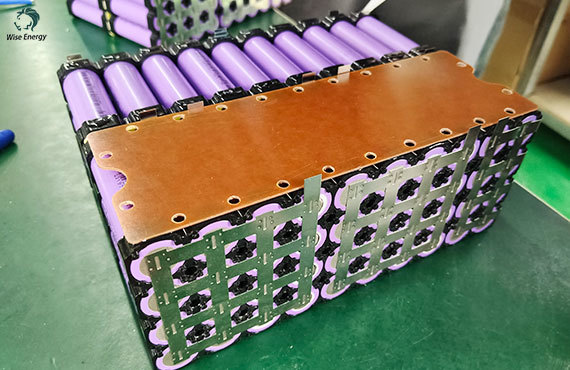
Once the materials are ready, they are processed and assembled in a controlled environment. Advanced manufacturing techniques, including precision coating and layering, are employed to create the battery's electrodes. The electrodes, along with a separator and electrolyte, are then carefully arranged and packaged to form the complete battery cell.
4. Advantages of Lithium-Titanate Batteries: Power, Efficiency, and Safety
Lithium-titanate batteries offer several key advantages that make them an attractive choice for various applications. Firstly, their high power density enables rapid charging and discharging, making them ideal for energy-intensive devices and applications. Additionally, their extended cycle life and low self-discharge rate ensure long-lasting performance and reliability.
Safety is a top priority in the battery industry, and lithium-titanate batteries excel in this aspect. Their stable chemistry minimizes the risk of thermal runaway and potential hazards associated with other battery technologies. This inherent safety feature makes them suitable for critical applications like electric vehicles and renewable energy storage.
5. Applications of Lithium-Titanate Batteries: Transforming Industries
The versatility and superior performance of lithium-titanate batteries open up a wide range of applications across various industries. Electric vehicles benefit from their high power output and fast charging capabilities, allowing for shorter charging times and extended driving range.
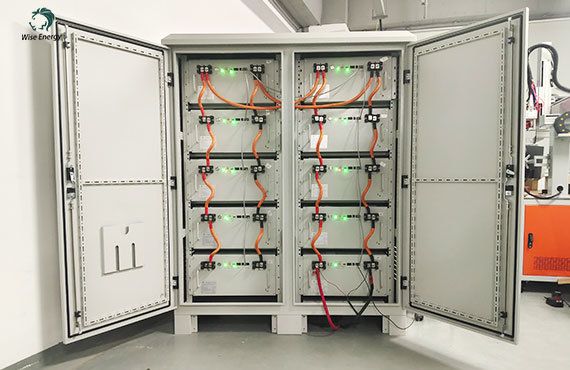
Renewable energy systems, such as solar and wind power, can harness the efficiency and reliability of lithium-titanate batteries for energy storage. Their ability to handle multiple charge and discharge cycles without degradation makes them an ideal choice for storing intermittent renewable energy.
Other industries, including aerospace, telecommunications, and grid-scale energy storage, can also leverage the advantages of lithium-titanate batteries to enhance efficiency, reliability, and sustainability.
6. Frequently Asked Questions (FAQs)
6.1 What sets lithium-titanate batteries apart from other battery technologies?
Lithium-titanate batteries stand out due to their high power density, long cycle life, and exceptional safety features. The use of titanium dioxide in the anode allows for faster charging and discharging rates compared to traditional lithium-ion batteries.
6.2 Are lithium-titanate batteries environmentally friendly?
Yes, lithium-titanate batteries are considered environmentally friendly. They do not contain toxic materials like lead or cadmium, and their extended lifespan reduces the need for frequent replacements, resulting in less waste.
6.3 Can lithium-titanate batteries be used in electric vehicles?
Absolutely. The high power density and fast charging capabilities of lithium-titanate batteries make them well-suited for electric vehicles. They enable shorter charging times and extended driving range, making electric vehicles more practical and convenient.
6.4 How long do lithium-titanate batteries typically last?
Lithium-titanate batteries are known for their long cycle life. Depending on the specific usage and operating conditions, they can last for thousands of charge and discharge cycles without significant degradation in performance.
6.5 Are there any limitations or drawbacks to using lithium-titanate batteries?
While lithium-titanate batteries offer numerous advantages, they do have some limitations. They have a lower energy density compared to other lithium-ion battery technologies, which means they have a slightly lower capacity. However, their high power density and safety features make them an excellent choice for applications where power and safety are paramount.
7. Conclusion: A Bright Future for Lithium-Titanate Battery Technology
As we delve into the fascinating world of lithium-titanate batteries, it becomes evident that this technology is poised to revolutionize the battery industry. With its exceptional power density, extended lifespan, and remarkable safety features, lithium-titanate batteries are paving the way for a more efficient and sustainable future.
By investing in research and development, improving manufacturing processes, and exploring new applications, the lithium-titanate battery industry will continue to grow and thrive. As consumers and industries increasingly demand high-performance and environmentally friendly energy storage solutions, lithium-titanate batteries are at the forefront of this transformative movement.
Relevant information


Main office: Room 501, Building 3, No. 81, Dingye Road, Tangjiawan Town, High-tech District, Zhuhai City, Guangdong Province, China 519000
Manufacturing Center:Zhongneng Science Park, No. 168, Tanlong North Road,Tanzhou Town, Zhongshan, China
R&D and Sales Center in Oxford, UK:47,The Lawns, Kennington Road,Radley,Oxfordshire, UK, OX14 2JR
SAF Coolest v1.3.1.2 设置面板 GAGSD-ZGYF-JFAVE-ZQZ
无数据提示
Sorry, the current column is being updated, please look forward to it!