


NEWS
Exploring Hybrid Solar Systems: Combining Batteries and Inverters
Release time:
2024-02-25
Discover the benefits of hybrid solar systems that combine batteries and inverters to maximize energy efficiency and sustainability. Learn how these innovative systems can revolutionize the way we har
## Introduction
In recent years, the demand for renewable energy sources has been on the rise as people become more conscious of the environmental impact of traditional energy sources. Solar power, in particular, has emerged as a popular alternative due to its clean and sustainable nature. However, one of the main challenges of solar energy is its intermittency, as it relies on sunlight to generate electricity. This is where hybrid solar systems, which combine batteries and inverters, come into play.
## What Are Hybrid Solar Systems?
Hybrid solar systems are advanced setups that integrate solar panels with battery storage and inverters. These systems are designed to store excess solar energy generated during the day in batteries for later use, ensuring a continuous and reliable power supply even when sunlight is not available. By combining these components, hybrid solar systems offer a more efficient and sustainable solution for harnessing solar power.
### Benefits of Hybrid Solar Systems
- **Maximize Energy Efficiency:** Hybrid solar systems allow you to store excess energy for later use, reducing reliance on the grid and maximizing energy efficiency.
- **Enhanced Reliability:** With battery backup, hybrid systems ensure a steady power supply even during outages or periods of low sunlight.
- **Cost Savings:** By reducing energy consumption from the grid, hybrid solar systems can help you save on electricity bills in the long run.
- **Environmental Benefits:** By utilizing clean and renewable solar energy, hybrid systems help reduce carbon emissions and promote sustainability.
## Components of Hybrid Solar Systems
1. **Solar Panels:** Capture sunlight and convert it into electricity.
2. **Inverters:** Convert DC power generated by solar panels into AC power for household use.
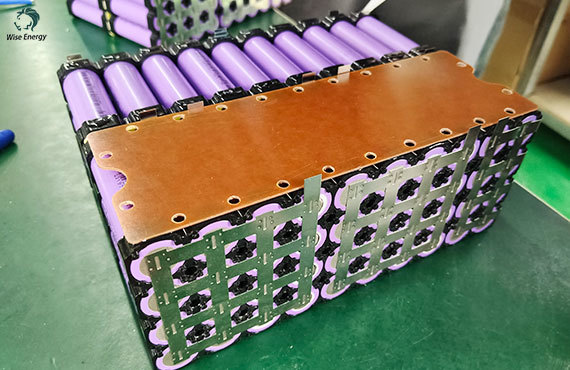
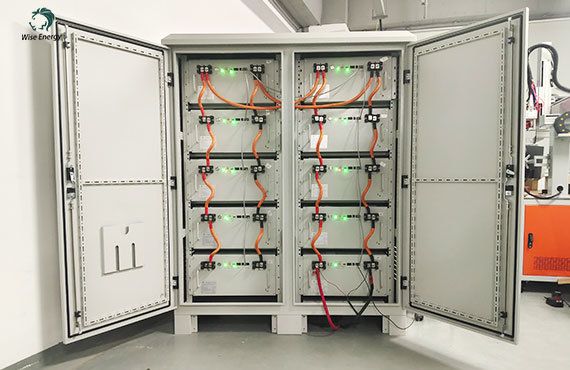
3. **Batteries:** Store excess solar energy for use during periods of low sunlight or high energy demand.
4. **Charge Controllers:** Regulate the flow of electricity between solar panels, batteries, and inverters to maximize efficiency.
## How Hybrid Solar Systems Work
During the day, solar panels generate electricity from sunlight, which is then used to power your home or stored in batteries for later use. When sunlight is not available, such as at night or during cloudy days, the batteries kick in to provide a continuous power supply. The inverters play a crucial role in converting the stored DC power from the batteries into AC power that can be used to run household appliances.
## FAQs
1. **Are hybrid solar systems suitable for all homes?**
- Hybrid solar systems can be customized to suit different energy needs and budgets. A professional solar installer can help assess your requirements and recommend the best system for your home.
2. **How long do hybrid solar system batteries last?**
- The lifespan of batteries in hybrid solar systems can vary depending on usage and maintenance. On average, batteries can last anywhere from 5 to 15 years.
3. **Can hybrid solar systems be connected to the grid?**
- Yes, hybrid solar systems can be grid-tied, allowing you to sell excess energy back to the grid and earn credits.
4. **Do hybrid solar systems require regular maintenance?**
- While hybrid solar systems are low maintenance, it's recommended to have them inspected annually to ensure optimal performance.
5. **Are hybrid solar systems cost-effective in the long run?**
- Despite the initial investment, hybrid solar systems can help you save on electricity bills over time and offer a solid return on investment.
## Conclusion
Hybrid solar systems offer a sustainable and efficient solution for harnessing solar power by combining batteries and inverters. By maximizing energy efficiency, enhancing reliability, and promoting cost savings, these systems are revolutionizing the way we utilize renewable energy sources. As we continue to strive towards a greener future, hybrid solar systems play a crucial role in reducing our carbon footprint and promoting sustainability.
Relevant information


Main office: Room 501, Building 3, No. 81, Dingye Road, Tangjiawan Town, High-tech District, Zhuhai City, Guangdong Province, China 519000
Manufacturing Center:Zhongneng Science Park, No. 168, Tanlong North Road,Tanzhou Town, Zhongshan, China
R&D and Sales Center in Oxford, UK:47,The Lawns, Kennington Road,Radley,Oxfordshire, UK, OX14 2JR
SAF Coolest v1.3.1.2 设置面板 GAGSD-ZGYF-JFAVE-ZQZ
无数据提示
Sorry, the current column is being updated, please look forward to it!