


NEWS
How to Properly Charge Lithium Titanate Batteries?
Release time:
2024-11-06
By using a compatible charger, avoiding extreme temperatures, and monitoring cell balance, you can safely and efficiently charge LTO batteries, ensuring reliable performance and longevity.
Charging lithium titanate (LTO) batteries is a straightforward process but differs slightly from charging traditional lithium-ion batteries due to LTO's unique chemistry. With high charging rates and a long cycle life, LTO batteries are designed to handle faster charging and higher currents, but there are some best practices to ensure they perform efficiently and retain longevity.
Choose the Right Charging Voltage
LTO batteries typically have a nominal voltage of 2.3V per cell, with a maximum charging voltage of about 2.8V per cell. Unlike many lithium-ion batteries that may go up to 4.2V, LTO cells are lower voltage and require chargers with appropriate settings. Using a charger with an adjustable output can help control the voltage to prevent overcharging and avoid stressing the battery.
Adjust the Charging Current
LTO batteries can accept higher charge currents than traditional lithium-ion batteries. Many LTO cells can charge safely at rates as high as 3C (three times the capacity of the battery), allowing for rapid charging in as little as 20–30 minutes. However, to maintain longevity, charging at a lower current—around 1C or below—can be beneficial if fast charging isn’t necessary. For instance, if you have a 10Ah LTO battery, a 1C charge rate would be 10A, while a 0.5C rate would be 5A.
Avoid Charging at Extreme Temperatures
While LTO batteries are more temperature-tolerant than most lithium-ion batteries, it’s best to avoid charging them in extreme conditions. Charging should ideally occur within a range of -10°C to 45°C. Charging below or above these temperatures can impair the chemical stability of the battery, leading to reduced performance or cycle life. If operating in cold environments, ensure the battery is within an optimal temperature range before charging.
Use a Dedicated LTO Charger or a Configurable Charger
Using a charger specifically designed for LTO batteries is ideal. These chargers are set to handle the unique voltage and current requirements of LTO cells. If using a configurable charger, make sure to set the voltage and current limits according to the manufacturer’s guidelines for your specific LTO battery pack.
Consider Battery Management Systems (BMS)
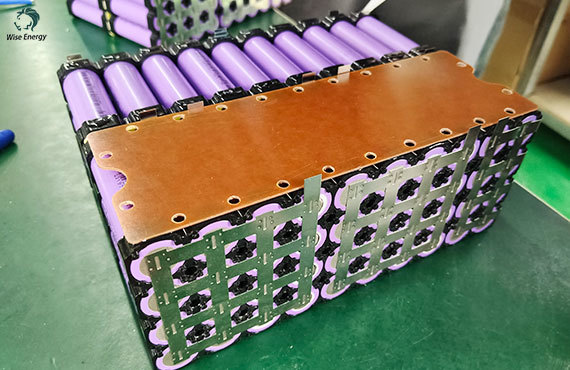
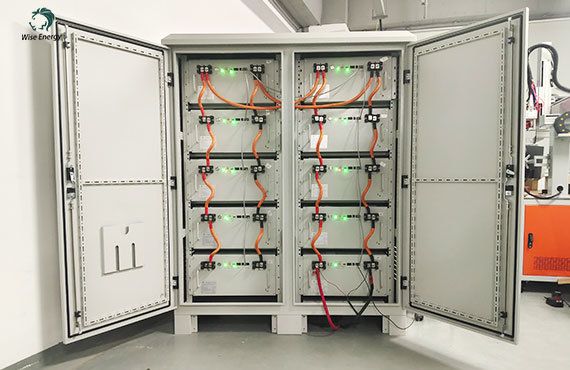
For larger packs or high-demand applications, a Battery Management System (BMS) is recommended to monitor each cell’s voltage, temperature, and balance. A BMS helps prevent overcharging and undercharging, which can extend the life of LTO batteries.
Conclusion
Charging lithium titanate batteries is straightforward when done within the correct voltage and current limits. By using a compatible charger, avoiding extreme temperatures, and monitoring cell balance, you can safely and efficiently charge LTO batteries, ensuring reliable performance and longevity.
Relevant information



Main office: Room 501, Building 3, No. 81, Dingye Road, Tangjiawan Town, High-tech District, Zhuhai City, Guangdong Province, China 519000
Manufacturing Center:Zhongneng Science Park, No. 168, Tanlong North Road,Tanzhou Town, Zhongshan, China
R&D and Sales Center in Oxford, UK:47,The Lawns, Kennington Road,Radley,Oxfordshire, UK, OX14 2JR
SAF Coolest v1.3.1.2 设置面板 GAGSD-ZGYF-JFAVE-ZQZ
无数据提示
Sorry, the current column is being updated, please look forward to it!