


NEWS
Exploring the Feasibility of Air Shipping LTO Lithium Titanate Batteries
Release time:
2025-02-04
While air shipping LTO lithium titanate batteries presents several challenges, it is feasible with proper adherence to regulations and careful planning.
In the evolving landscape of energy storage solutions, lithium titanate batteries (LTO) have garnered attention for their unique advantages over traditional lithium-ion batteries. However, a pressing question arises regarding the transportation of these batteries, particularly through air shipping, which poses specific challenges and considerations.
Understanding Lithium Titanate Batteries
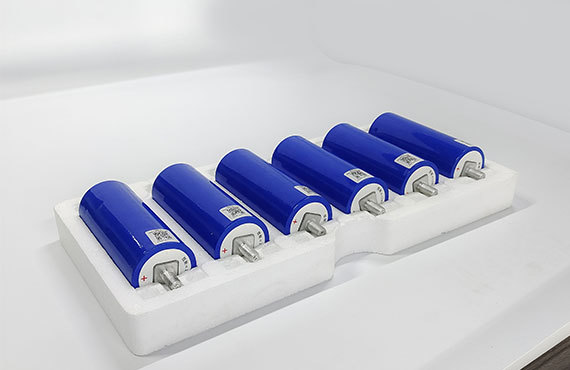
Lithium titanate batteries utilize lithium titanate as the anode material, offering several benefits such as fast charging capabilities, a long cycle life, and enhanced safety features. Unlike conventional lithium-ion batteries that use graphite, LTO batteries can achieve charging times as short as 10 minutes and can endure thousands of charge cycles without significant degradation. These attributes make them particularly suitable for applications requiring rapid energy discharge and recharge.
Air Shipping Considerations
Shipping lithium batteries, especially via air, requires adherence to stringent regulations set by aviation authorities, including the International Air Transport Association (IATA) and the Federal Aviation Administration (FAA). The primary concern revolves around the potential risks associated with battery fires, which can be exacerbated by certain shipping conditions.
Battery Classification: Lithium titanate batteries are classified as dangerous goods, necessitating careful packaging, labeling, and documentation. must ensure that its LTO batteries are properly classified and comply with the necessary regulations for air transport.
Packaging Requirements: The packaging for air shipping lithium batteries must be robust and capable of withstanding the rigors of transport. This includes utilizing fire-resistant materials and ensuring that the batteries are securely contained to prevent movement during transit.
State of Charge (SOC): The state of charge of the batteries before shipping is a critical factor. Typically, airlines require lithium batteries to be shipped at a lower SOC (usually below 30%) to mitigate the risk of thermal runaway. must implement procedures to ensure that its LTO batteries are within the acceptable charge limits before air transport.
Regulatory Compliance: Adhering to international regulations is vital for the successful air shipping of LTO batteries. must maintain clear communication with freight carriers and comply with all local and international shipping regulations to avoid delays or penalties.
Benefits of Air Shipping LTO Batteries
Despite the challenges, there are significant benefits to air shipping LTO batteries. The ability to quickly transport these batteries can support urgent deployments in various sectors, such as renewable energy projects or emergency backup systems. Additionally, the fast charging capabilities of LTO batteries can make them an attractive option for applications requiring rapid energy access.
Conclusion
In conclusion, while air shipping LTO lithium titanate batteries presents several challenges, it is feasible with proper adherence to regulations and careful planning. As the demand for efficient energy storage solutions continues to rise, understanding the logistics and considerations involved in transporting these advanced batteries will be crucial for manufacturers, suppliers, and end-users alike. By navigating the complexities of air shipping, can effectively meet the growing needs of its customers while ensuring safety and compliance in the transportation of its innovative battery technology.
Relevant information



Main office: Room 501, Building 3, No. 81, Dingye Road, Tangjiawan Town, High-tech District, Zhuhai City, Guangdong Province, China 519000
Manufacturing Center:Zhongneng Science Park, No. 168, Tanlong North Road,Tanzhou Town, Zhongshan, China
R&D and Sales Center in Oxford, UK:47,The Lawns, Kennington Road,Radley,Oxfordshire, UK, OX14 2JR
SAF Coolest v1.3.1.2 设置面板 GAGSD-ZGYF-JFAVE-ZQZ
无数据提示
Sorry, the current column is being updated, please look forward to it!