


NEWS
Exploring the Similarities and Differences of Lithium Titanate Batteries and Other Batteries
Release time:
2025-11-03
Dive into the fundamental differences and similarities between lithium titanate batteries and other battery technologies, shedding light on their unique properties, applications, and performance.
An Introduction to Battery Technologies
In a world driven by technology, batteries are the unsung heroes powering our devices, vehicles, and even renewable energy sources. Among the myriad of battery technologies out there, lithium titanate batteries (LTO) have been making waves. But how do they stack up against other battery types? Let's unravel the Similarities and Differences Between Lithium Titanate Batteries and Other Batteries (the similarities and differences between lithium titanate batteries and other batteries).
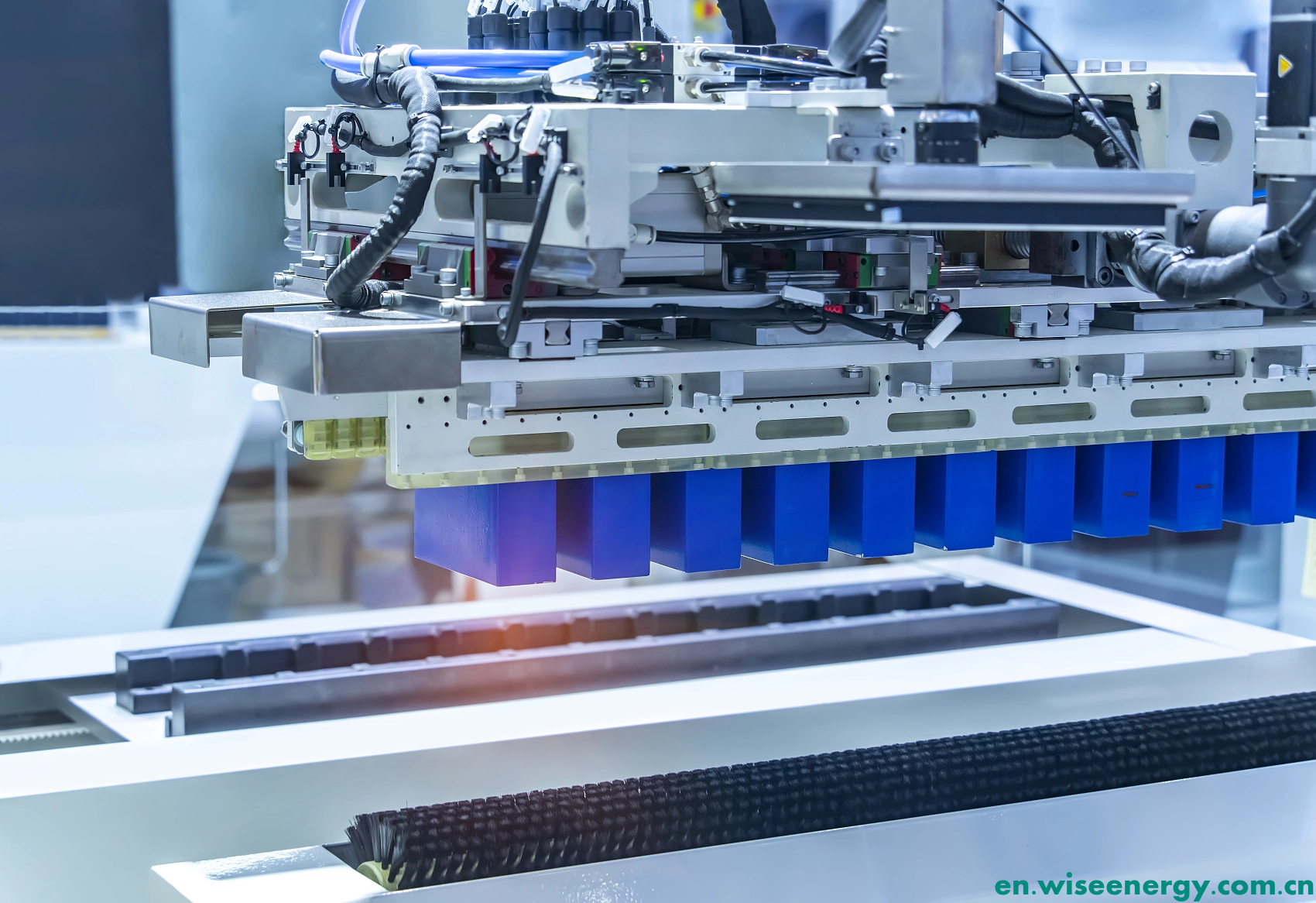
What Are Lithium Titanate Batteries?
First off, let's get to know lithium titanate batteries. Known for their unique chemical composition, LTO batteries employ titanium oxide as the anode material. This distinct choice gives them a few nifty advantages. For starters, they boast rapid charging times and an impressive lifespan, but what does that really mean for everyday use?
Pros and Cons of Lithium Titanate Batteries
On the plus side, LTO batteries can be charged in a mere 10 minutes! Yes, you heard that right. They're not just fast; they also have excellent thermal stability, making them less prone to overheating. However, they come with a caveat: their energy density is lower than that of lithium-ion batteries, which means they can store less energy for the same size. So, while they may be speedy, they might not take you as far.
Comparing with Lithium-Ion Batteries
Now, let's shine a spotlight on lithium-ion batteries, the rock stars of the battery world. They've been around for a while and are widely used in everything from smartphones to electric vehicles. But how do they compare to our LTO friends?
Energy Density Showdown
When it comes to energy density, lithium-ion batteries are the champions. They can store significantly more energy in a smaller footprint, which makes them ideal for applications where size and weight are critical—like in mobile devices. But they do have a downside: they can take longer to charge and may degrade faster over time compared to LTO batteries. It's like choosing between a speedy sports car and a fuel-efficient sedan—each has its perks!
Nickel-Metal Hydride (NiMH) Batteries: A Different Breed
Moving on, let's not forget about nickel-metal hydride (NiMH) batteries. These guys were once the go-to for hybrid vehicles and other applications. They're pretty robust and have a decent energy density, but they don't quite match up to the rapid charging abilities of LTOs.
A Tale of Lifespan and Performance
In terms of lifespan, LTO batteries shine again. They can last up to 20,000 cycles, while NiMH batteries typically max out around 1,000 cycles. So, if longevity is your goal, LTO is where it's at! However, NiMH batteries are generally cheaper and more accessible, making them a viable choice for those on a budget.
Lead-Acid Batteries: The Old Guard
Let's not overlook lead-acid batteries—often seen as the grandfathers of battery technology. They've been powering cars for decades. While they're more affordable and robust, they fall short in terms of energy density and lifespan when compared to LTO batteries.
The Final Verdict
So, what's the takeaway here? Lithium titanate batteries stand out for their rapid charging and longevity, making them a fantastic choice for applications that require quick power boosts and durability. On the flip side, traditional lithium-ion batteries are unbeatable when it comes to energy density, while NiMH offers a middle ground of affordability and decent performance. And lead-acid batteries, while outdated in some respects, still hold their ground in certain applications.
Conclusion: Tailoring Your Choice
Ultimately, the choice between lithium titanate batteries and their counterparts boils down to your specific needs. Whether you prioritize speed, longevity, energy density, or cost, there's a battery out there that will fit the bill. In this ever-evolving tech landscape, being informed is your best asset!
Relevant information



Main office: Room 501, Building 3, No. 81, Dingye Road, Tangjiawan Town, High-tech District, Zhuhai City, Guangdong Province, China 519000
Manufacturing Center:Zhongneng Science Park, No. 168, Tanlong North Road,Tanzhou Town, Zhongshan, China
R&D and Sales Center in Oxford, UK:47,The Lawns, Kennington Road,Radley,Oxfordshire, UK, OX14 2JR
SAF Coolest v1.3.1.2 设置面板 GAGSD-ZGYF-JFAVE-ZQZ
无数据提示
Sorry, the current column is being updated, please look forward to it!