


NEWS
How to Choose the Right Solar Batteries: A Comprehensive Guide
Release time:
2025-02-06
By considering factors such as battery type, energy needs, storage capacity, efficiency, lifespan, and cost, you can make an informed decision that will provide reliable, long-term energy storage.
As solar energy systems become increasingly popular, the importance of selecting the right solar battery cannot be overstated. A solar battery stores the energy generated by your solar panels during the day, making it available for use during nighttime or cloudy days. Choosing the right battery ensures that your solar energy system functions efficiently, reducing your reliance on the grid and maximizing your energy savings. In this comprehensive guide, we’ll walk you through the factors to consider when choosing the ideal solar battery for your needs.
1. Understand the Different Types of Solar Batteries
The first step in choosing the right solar battery is understanding the types of batteries available. Solar batteries typically fall into three main categories:
a. Lithium-Ion Batteries
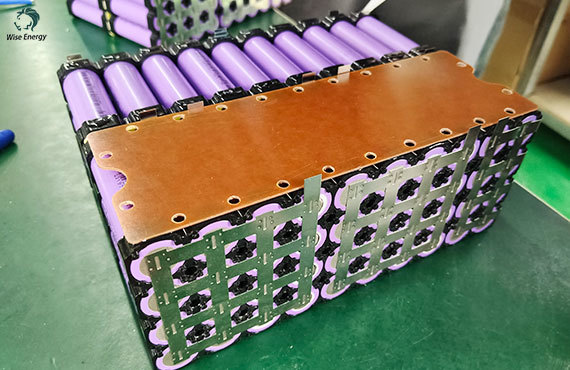
Lithium-ion (Li-ion) batteries are the most popular choice for solar energy storage due to their high efficiency, compact size, and longer lifespan. These batteries are known for their ability to store large amounts of energy in a small, lightweight package.
-
Advantages:
- High energy density
- Longer lifespan (up to 10-15 years)
- Faster charging times
- Low maintenance
- More energy-efficient
-
Disadvantages:
- Higher initial cost
- Sensitive to temperature extremes
b. Lead-Acid Batteries
Lead-acid batteries have been around for a long time and are often the more affordable option. They are commonly used in off-grid applications but are less efficient than lithium-ion batteries.
-
Advantages:
- Lower initial cost
- Established technology
- Widely available
-
Disadvantages:
- Shorter lifespan (3-5 years)
- Lower energy efficiency
- Heavier and bulkier
- Require more maintenance
c. Saltwater Batteries
Saltwater batteries are an emerging technology that uses saltwater as an electrolyte. They are considered environmentally friendly due to their non-toxic, recyclable materials.
-
Advantages:
- Non-toxic and environmentally friendly
- Safe and low-maintenance
- Longer lifespan compared to lead-acid
-
Disadvantages:
- Still a newer technology with limited availability
- Lower energy density compared to lithium-ion
2. Evaluate Your Energy Needs
Before selecting a battery, it’s important to understand your energy consumption patterns and storage requirements. Several factors influence the type and size of battery you’ll need:
a. Energy Consumption
- Estimate daily energy use: Determine the total amount of electricity your household or business consumes on a typical day (measured in kilowatt-hours, kWh).
- Identify peak usage times: Understand when you use the most energy (e.g., during evening hours or when solar production is low).
b. Desired Autonomy
- Autonomy refers to the number of days you want to be able to run on battery power alone. This factor depends on how much backup power you require during cloudy days or extended periods without sunlight.
For example, if you experience frequent power outages, you may need a battery system that can provide backup power for 2-3 days, or even more. The higher the autonomy you need, the larger the battery capacity you’ll require.
c. Battery Size and Storage Capacity
The size of the battery is directly related to its storage capacity (measured in kWh), which indicates how much energy the battery can store. When considering capacity, you’ll need to:
- Match battery size to solar system output: A larger solar system will likely require a higher-capacity battery to store excess energy.
- Consider energy needs: For example, if your home uses 30 kWh per day, you may need a battery that can store 30 kWh or more to ensure uninterrupted power.
3. Consider the Battery’s Efficiency
Efficiency is a crucial factor in determining how much usable energy you’ll get from your solar battery. Battery efficiency refers to the percentage of energy that can be stored and retrieved from the battery. A more efficient battery will waste less energy during the charge/discharge cycles, resulting in better overall performance.
-
Round-Trip Efficiency: This is the percentage of energy that is successfully stored and then retrieved. A high round-trip efficiency means more usable energy.
-
Lithium-ion batteries typically have a round-trip efficiency of 90% or higher, while lead-acid batteries are often closer to 70-80%.
4. Examine the Battery’s Lifespan and Warranty
A battery’s lifespan is a key factor in determining its long-term cost-effectiveness. The longer the battery lasts, the fewer replacements you’ll need, which reduces overall maintenance costs.
Battery Cycle Life
- Cycle life refers to how many complete charge and discharge cycles a battery can undergo before its capacity starts to decline significantly.
- Lithium-ion batteries typically have a cycle life of 5,000-15,000 cycles, whereas lead-acid batteries last only 500-1,500 cycles.
Warranty and Support
When purchasing a solar battery, check the warranty offered by the manufacturer. A good warranty will typically cover 10-15 years for lithium-ion batteries and 3-5 years for lead-acid. The warranty should specify the terms of replacement and maintenance in case of any issues.
5. Assess Temperature Tolerance
Temperature can significantly impact battery performance. If you live in a region with extreme temperatures, it’s essential to choose a battery that can handle heat and cold effectively.
- Lithium-ion batteries tend to have a narrower operating temperature range compared to lead-acid batteries.
- Lead-acid batteries generally perform better in colder environments, though they may degrade faster in high temperatures.
If your area experiences extreme heat or cold, it might be necessary to use a climate-controlled storage unit or invest in batteries with enhanced temperature tolerance.
6. Cost Considerations
While lithium-ion batteries offer superior performance, they also come with a higher price tag. Lead-acid batteries, while cheaper upfront, may cost more in the long run due to their shorter lifespan and lower efficiency.
- Initial cost: Lithium-ion batteries typically have higher upfront costs, but they offer a longer lifespan and greater efficiency, reducing long-term costs.
- Cost per kWh: Compare the price of batteries based on the cost per kilowatt-hour (kWh) of storage capacity to determine which option provides the best value for your specific energy needs.
7. Additional Features to Consider
- Smart Features: Some solar batteries come with advanced features like monitoring apps that allow you to track your energy usage and storage remotely.
- Scalability: If you anticipate an increase in energy demand or a future solar panel expansion, consider a battery system that allows you to add more storage capacity over time.
Conclusion
Choosing the right solar battery for your needs is a crucial step in optimizing the performance of your solar power system. By considering factors such as battery type, energy needs, storage capacity, efficiency, lifespan, and cost, you can make an informed decision that will provide reliable, long-term energy storage. Whether you choose a lithium-ion, lead-acid, or saltwater battery, understanding the unique advantages and drawbacks of each will help you select the best option for your home or business.
Relevant information


Main office: Room 501, Building 3, No. 81, Dingye Road, Tangjiawan Town, High-tech District, Zhuhai City, Guangdong Province, China 519000
Manufacturing Center:Zhongneng Science Park, No. 168, Tanlong North Road,Tanzhou Town, Zhongshan, China
R&D and Sales Center in Oxford, UK:47,The Lawns, Kennington Road,Radley,Oxfordshire, UK, OX14 2JR
SAF Coolest v1.3.1.2 设置面板 GAGSD-ZGYF-JFAVE-ZQZ
无数据提示
Sorry, the current column is being updated, please look forward to it!