


NEWS
Are Li-Ion or Lead-Acid Batteries Better for Home Energy Storage? A Comprehensive Comparison
Release time:
2024-11-25
For home energy storage, lithium-ion batteries are generally the better choice. They offer longer lifespans, greater efficiency, reduced maintenance, and a safer, more compact design.
When choosing a battery for home energy storage, two of the most common options are lithium-ion (Li-ion) and lead-acid batteries. Both have their advantages and limitations, but the decision depends on factors such as cost, lifespan, efficiency, and application needs. Let’s explore the differences between these two types of batteries and determine which is best suited for home energy storage.
1. Cost and Initial Investment
Lead-acid batteries are generally more affordable upfront compared to lithium-ion batteries. This makes them a popular choice for budget-conscious homeowners or those with limited energy storage needs. However, while the initial cost may be lower, lead-acid batteries typically have a shorter lifespan and require more frequent replacements, making their long-term costs higher. In contrast, lithium-ion batteries have a higher initial cost but offer better performance and longer life, resulting in greater overall value over time.
2. Lifespan and Durability
One of the most significant advantages of lithium-ion batteries is their longer lifespan. Li-ion batteries typically last between 10 to 15 years with proper maintenance, whereas lead-acid batteries may only last around 3 to 5 years. This extended lifespan translates to fewer replacements and less maintenance for lithium-ion batteries, making them a more reliable and cost-effective long-term solution for home energy storage.
3. Efficiency and Performance
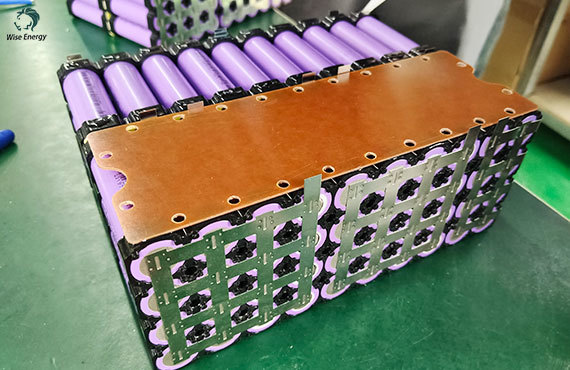
Lithium-ion batteries are known for their higher energy density and greater efficiency compared to lead-acid batteries. They can store and deliver more energy in a smaller, lighter package. This means that lithium-ion batteries can provide a higher level of energy output with less space required. Lead-acid batteries, on the other hand, have a lower energy density, meaning they require more space and weight to store the same amount of energy. Additionally, lithium-ion batteries typically have a higher round-trip efficiency (up to 95%), which means less energy is lost during the charging and discharging process, whereas lead-acid batteries have an efficiency rate of around 80%.
4. Maintenance and Safety
Lead-acid batteries require regular maintenance to ensure they perform optimally. They need to be monitored for water levels (in flooded versions) and are more prone to issues such as corrosion and sulfation, which can shorten their lifespan. Lithium-ion batteries, by contrast, are largely maintenance-free, requiring little more than occasional monitoring to ensure they’re functioning properly.
In terms of safety, lithium-ion batteries are generally safer. They are designed with built-in protections against overcharging, overheating, and short-circuiting. Lead-acid batteries, while relatively safe, can release hydrogen gas during charging, which, if not properly ventilated, can pose a safety hazard. Additionally, lead-acid batteries contain sulfuric acid, which requires careful handling.
5. Environmental Impact
From an environmental perspective, lithium-ion batteries tend to have a lower environmental impact due to their longer lifespan and the fact that they contain fewer hazardous materials. However, lithium-ion batteries still require proper recycling at the end of their life cycle. Lead-acid batteries, while widely recycled, can be more environmentally harmful if not disposed of correctly, due to their lead and acid content.
Conclusion
For home energy storage, lithium-ion batteries are generally the better choice. They offer longer lifespans, greater efficiency, reduced maintenance, and a safer, more compact design. While they come at a higher initial cost, their longevity and performance make them a more cost-effective option over the long term. Lead-acid batteries may still be suitable for homes with lower energy storage needs or those seeking a more budget-friendly option, but the trade-offs in lifespan and efficiency often make lithium-ion a more viable long-term investment.
Relevant information


Main office: Room 501, Building 3, No. 81, Dingye Road, Tangjiawan Town, High-tech District, Zhuhai City, Guangdong Province, China 519000
Manufacturing Center:Zhongneng Science Park, No. 168, Tanlong North Road,Tanzhou Town, Zhongshan, China
R&D and Sales Center in Oxford, UK:47,The Lawns, Kennington Road,Radley,Oxfordshire, UK, OX14 2JR
SAF Coolest v1.3.1.2 设置面板 GAGSD-ZGYF-JFAVE-ZQZ
无数据提示
Sorry, the current column is being updated, please look forward to it!