


NEWS
Why Lithium-Titanate Batteries Are the Future of Energy Storage
Release time:
2023-08-09
Discover the potential of lithium-titanate batteries in revolutionizing the energy storage industry. Learn how these advanced batteries offer numerous advantages, from faster charging times to increas
Table of Contents:
1. Introduction: Understanding the Need for Advanced Energy Storage Solutions
2. The Rise of Lithium-Titanate Batteries
2.1 What are Lithium-Titanate Batteries?
2.2 How Do Lithium-Titanate Batteries Work?
3. Key Advantages of Lithium-Titanate Batteries
3.1 Rapid Charging Capabilities
3.2 Enhanced Safety Features
3.3 Long Lifespan and Durability
3.4 Wide Temperature Tolerance
3.5 High Power Density
4. Applications and Potential Uses
4.1 Electric Vehicle Industry
4.2 Renewable Energy Storage
4.3 Grid Energy Storage
4.4 Consumer Electronics
5. Frequently Asked Questions
5.1 How do lithium-titanate batteries compare to other types of batteries?
5.2 Are lithium-titanate batteries more expensive than traditional batteries?
5.3 Can lithium-titanate batteries be used in extreme weather conditions?
5.4 Are lithium-titanate batteries environmentally friendly?
5.5 Can lithium-titanate batteries be recycled?
6. Conclusion: Embracing the Future of Energy Storage with Lithium-Titanate Batteries
1. Introduction: Understanding the Need for Advanced Energy Storage Solutions
As the demand for renewable energy and electric vehicles continues to grow, the need for efficient and reliable energy storage solutions becomes increasingly important. Traditional lead-acid batteries have limitations in terms of performance, lifespan, and environmental impact. This is where lithium-titanate batteries come into play.
2. The Rise of Lithium-Titanate Batteries
2.1 What are Lithium-Titanate Batteries?
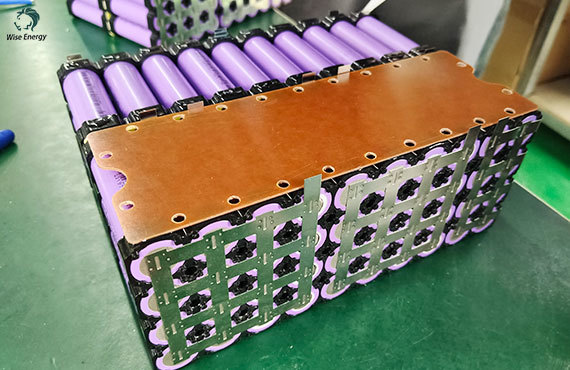
Lithium-titanate batteries, also known as LTO batteries, are a type of rechargeable battery that utilizes lithium-titanate oxide as the electrode material. Compared to traditional lithium-ion batteries, which use graphite-based anodes, lithium-titanate batteries offer several distinct advantages.
2.2 How Do Lithium-Titanate Batteries Work?
Lithium-titanate batteries function similarly to other lithium-ion batteries, but with a unique twist. The use of lithium-titanate oxide in the anode allows for faster charging and discharging rates, making them ideal for applications that require quick energy replenishment.
3. Key Advantages of Lithium-Titanate Batteries
3.1 Rapid Charging Capabilities
One of the standout features of lithium-titanate batteries is their ability to charge at a rapid rate. Unlike traditional batteries that may take hours to fully charge, LTO batteries can be charged to a significant capacity in a matter of minutes. This makes them highly suitable for electric vehicles and other applications where quick charging is essential.
3.2 Enhanced Safety Features
Safety is paramount when it comes to energy storage solutions. Lithium-titanate batteries have a higher resistance to thermal runaway and are less prone to overheating or exploding compared to other battery chemistries. This makes them a safer option for various industries.
3.3 Long Lifespan and Durability
Lithium-titanate batteries have an extended lifespan, offering more charge and discharge cycles compared to traditional lithium-ion batteries. This longevity translates to reduced maintenance costs and increased overall value for users.
3.4 Wide Temperature Tolerance
Extreme temperatures can significantly affect battery performance. Lithium-titanate batteries excel in this area, with the ability to operate efficiently in both high and low temperature environments. This versatility makes them suitable for a wide range of applications, including those in harsh climates.
3.5 High Power Density
Lithium-titanate batteries possess a high power density, meaning they can deliver a substantial amount of power in a short period. This characteristic is particularly valuable for applications that require bursts of energy, such as electric vehicles during acceleration or braking.
4. Applications and Potential Uses
4.1 Electric Vehicle Industry
The rise of electric vehicles calls for advanced energy storage solutions capable of meeting the demands of this growing industry. Lithium-titanate batteries offer fast charging capabilities, increased safety, and a longer lifespan, making them an ideal choice for powering electric cars and buses.
4.2 Renewable Energy Storage
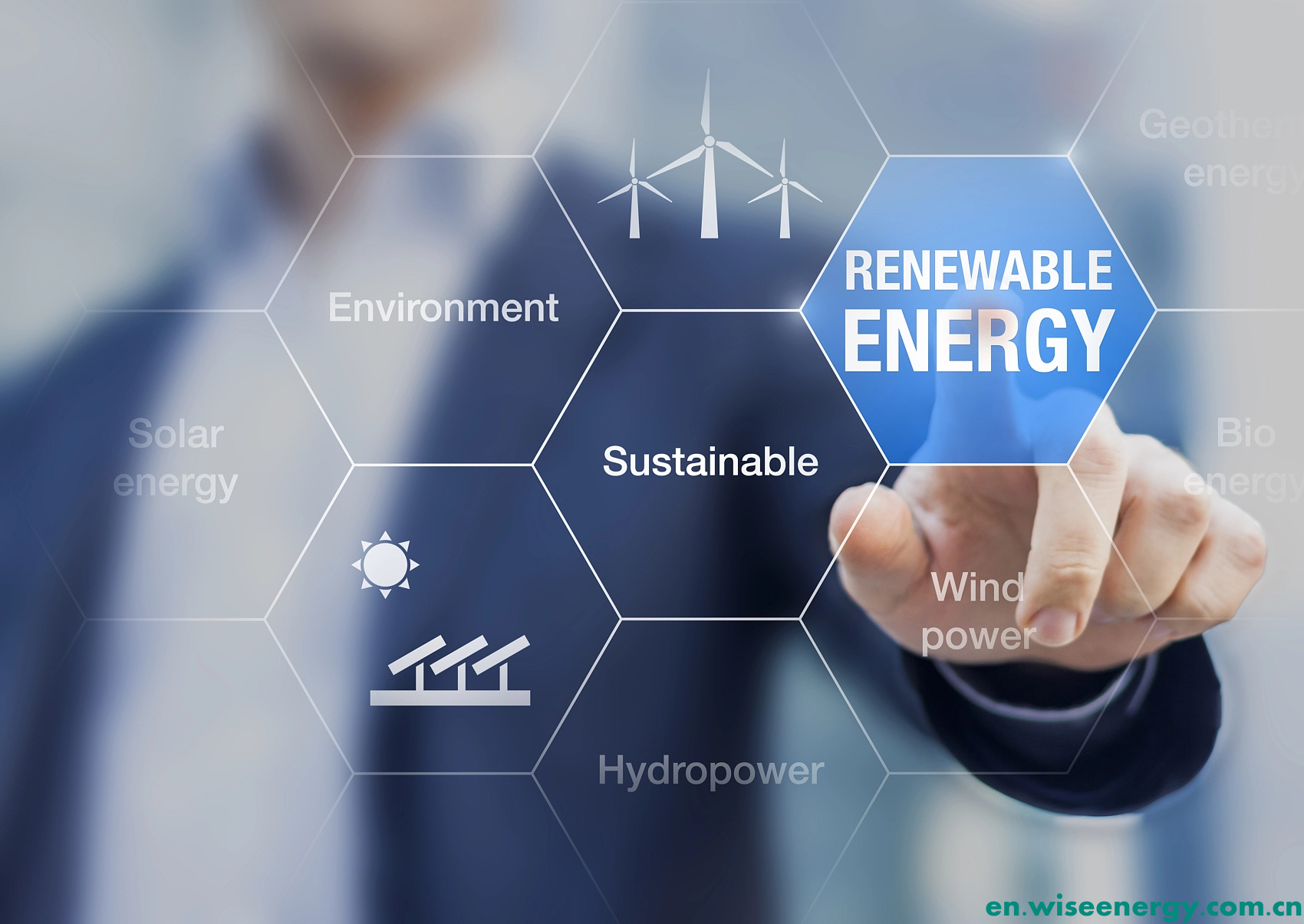
Renewable energy sources such as solar and wind power often fluctuate in their generation. Lithium-titanate batteries can store excess energy during peak production and release it during low production periods. This helps stabilize the energy grid and ensures a consistent power supply.
4.3 Grid Energy Storage
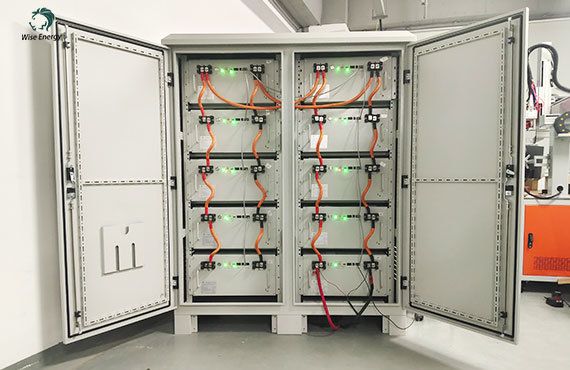
Grid energy storage plays a vital role in balancing supply and demand, especially during peak usage periods. Lithium-titanate batteries, with their rapid charging and discharging capabilities, can help mitigate grid fluctuations and provide reliable backup power when needed.
4.4 Consumer Electronics
Lithium-titanate batteries are also finding their way into consumer electronics devices. From smartphones to laptops, the fast charging capabilities and long lifespan of LTO batteries offer convenience and durability to consumers.
5. Frequently Asked Questions
5.1 How do lithium-titanate batteries compare to other types of batteries?
Lithium-titanate batteries outperform traditional lithium-ion batteries in terms of charging speed, safety, and lifespan. They also have a wider temperature tolerance and higher power density, providing superior performance across various applications.
5.2 Are lithium-titanate batteries more expensive than traditional batteries?
While lithium-titanate batteries may have a higher upfront cost compared to traditional batteries, their extended lifespan and durability make them a cost-effective choice in the long run.
5.3 Can lithium-titanate batteries be used in extreme weather conditions?
Yes, lithium-titanate batteries exhibit excellent performance in extreme temperatures, making them suitable for use in both hot and cold climates.
5.4 Are lithium-titanate batteries environmentally friendly?
Lithium-titanate batteries are considered more environmentally friendly than traditional lead-acid batteries. They do not contain toxic materials such as lead, and their long lifespan reduces the need for frequent battery replacements.
5.5 Can lithium-titanate batteries be recycled?
Yes, lithium-titanate batteries can be recycled. Recycling facilities can extract valuable materials and components from used batteries, contributing to a more sustainable energy storage ecosystem.
6. Conclusion: Embracing the Future of Energy Storage with Lithium-Titanate Batteries
Lithium-titanate batteries offer a promising future for energy storage solutions. With their rapid charging capabilities, enhanced safety features, and long lifespan, these batteries are revolutionizing the industry. From electric vehicles to renewable energy storage, the applications are vast. Embrace the potential of lithium-titanate batteries and be part of the clean energy revolution.
Relevant information


Main office: Room 501, Building 3, No. 81, Dingye Road, Tangjiawan Town, High-tech District, Zhuhai City, Guangdong Province, China 519000
Manufacturing Center:Zhongneng Science Park, No. 168, Tanlong North Road,Tanzhou Town, Zhongshan, China
R&D and Sales Center in Oxford, UK:47,The Lawns, Kennington Road,Radley,Oxfordshire, UK, OX14 2JR
SAF Coolest v1.3.1.2 设置面板 GAGSD-ZGYF-JFAVE-ZQZ
无数据提示
Sorry, the current column is being updated, please look forward to it!