


NEWS
The Fascinating World of Lithium–Titanate Batteries: A Comprehensive Guide
Release time:
2023-08-10
Delve into the realm of lithium-titanate batteries and explore their intriguing features, applications, and advantages. Discover the science behind these advanced energy storage devices and their sign
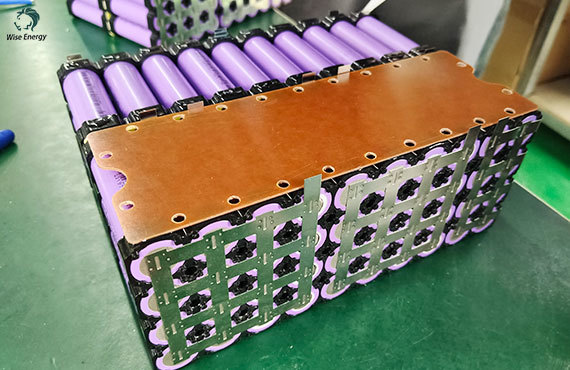
Lithium–titanate batteries, also known as LTO batteries, are a type of rechargeable battery that has gained significant attention in recent years. They are widely used in various industries, including the electrical and automotive sectors. In this article, we will delve into the intricate world of lithium-titanate batteries, shedding light on their unique characteristics and shedding insights into their applications.
1. What are lithium–titanate batteries?
Lithium–titanate batteries are a type of rechargeable battery that uses lithium titanate as the anode material. Unlike traditional lithium-ion batteries, which use graphite as the anode material, LTO batteries utilize lithium titanate, a compound with excellent electrochemical properties. These batteries offer several advantages, including high energy density, long cycle life, and enhanced safety features.
2. How do lithium–titanate batteries work?
Lithium–titanate batteries operate on the same basic principles as other lithium-ion batteries. During charging, lithium ions move from the cathode to the anode through an electrolyte, where they become embedded in the lattice structure of the lithium titanate. When discharging, the lithium ions move back from the anode to the cathode, generating electrical energy in the process.
3. What are the advantages of lithium–titanate batteries?
One of the key advantages of lithium–titanate batteries is their exceptional cycle life. These batteries can endure a significantly larger number of charge-discharge cycles compared to other lithium-ion batteries, making them suitable for applications that demand long-term reliability. Additionally, LTO batteries offer rapid charging capabilities, enabling quick replenishment of energy.
4. What are the applications of lithium–titanate batteries?
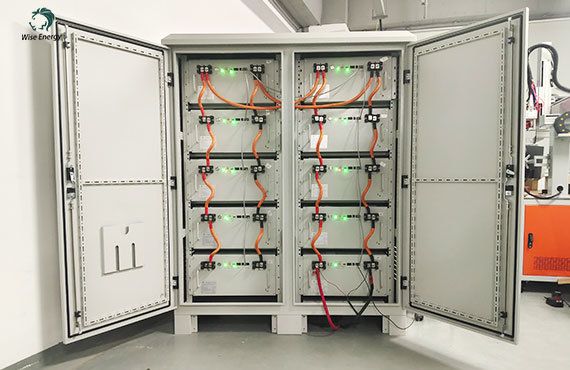
Lithium–titanate batteries find applications in a wide range of fields. Due to their fast charging capability, they are commonly used in electric vehicles, enabling quick recharging and minimizing downtime. These batteries also find use in renewable energy storage systems, where their high cycle life and safety features are advantageous. Other applications include consumer electronics, aerospace, and hybrid power systems.
5. Are there any limitations to lithium–titanate batteries?
While lithium–titanate batteries offer impressive features, they do have some limitations. One such limitation is their lower energy density compared to other lithium-ion batteries. This means that LTO batteries may not be suitable for applications that require high energy storage capacity but are well-suited for applications that prioritize safety, longevity, and rapid charging.
In conclusion, lithium–titanate batteries are a fascinating innovation in the world of energy storage. Their unique characteristics, including long cycle life, rapid charging capabilities, and enhanced safety features, make them highly sought after in the electrical and automotive industries. By harnessing the power of lithium titanate, these batteries pave the way towards a more efficient and sustainable future.
Relevant information



Main office: Room 501, Building 3, No. 81, Dingye Road, Tangjiawan Town, High-tech District, Zhuhai City, Guangdong Province, China 519000
Manufacturing Center:Zhongneng Science Park, No. 168, Tanlong North Road,Tanzhou Town, Zhongshan, China
R&D and Sales Center in Oxford, UK:47,The Lawns, Kennington Road,Radley,Oxfordshire, UK, OX14 2JR
SAF Coolest v1.3.1.2 设置面板 GAGSD-ZGYF-JFAVE-ZQZ
无数据提示
Sorry, the current column is being updated, please look forward to it!