


NEWS
The Ultimate Guide to Choosing the Best Off-Grid Inverter: Everything You Need to Know
Release time:
2023-08-15
Discover the key factors to consider when selecting an off-grid inverter for your power needs. This comprehensive guide will provide you with valuable insights and tips to make an informed decision.
Table of Contents:
1. Introduction: Understanding Off-Grid Inverters
2. Types of Off-Grid Inverters
3. Power Output and Capacity
4. Efficiency and Conversion Rate
5. Waveform Type: Pure Sine Wave vs. Modified Sine Wave
6. Voltage Compatibility
7. Battery Compatibility
8. Safety Features
9. Monitoring and Control
10. Durability and Warranty
11. Installation and Maintenance
12. Frequently Asked Questions (FAQs)
13. Conclusion: Choosing the Best Off-Grid Inverter for Your Needs
1. Introduction: Understanding Off-Grid Inverters
Off-grid inverters are essential components of a renewable energy system, converting direct current (DC) electricity from a battery bank into alternating current (AC) electricity for use in powering household appliances and electronic devices. Whether you are setting up a remote cabin, running a mobile home, or preparing for emergencies, choosing the right off-grid inverter is crucial for reliable and efficient power supply.
2. Types of Off-Grid Inverters
There are three main types of off-grid inverters to consider: standalone inverters, grid-tie inverters with battery backup, and hybrid inverters. Standalone inverters are solely dedicated to off-grid systems and are suitable for locations without access to utility grids. Grid-tie inverters with battery backup allow you to use solar or wind energy while still being connected to the utility grid. Hybrid inverters combine the features of both standalone and grid-tie inverters, offering flexibility and versatility.
3. Power Output and Capacity
One of the primary considerations when choosing an off-grid inverter is the power output and capacity it can handle. Determine your average and peak power requirements to ensure the inverter can handle the load. Consider the number and types of appliances you will be using, including refrigerators, air conditioners, and other high-power devices. It's essential to select an inverter that can meet your power demands without overloading.
4. Efficiency and Conversion Rate
Efficiency is another critical factor to consider. Off-grid inverters convert the DC electricity from your battery bank to AC electricity. Look for inverters with high conversion rates to minimize energy losses during the conversion process. Higher efficiency means more power is available for use, maximizing the overall performance of your off-grid system.
5. Waveform Type: Pure Sine Wave vs. Modified Sine Wave
When it comes to waveform type, there are two options: pure sine wave and modified sine wave. Pure sine wave inverters produce a smooth and clean waveform, similar to what you would get from a utility grid. They are more expensive but compatible with almost all electronic devices and appliances, delivering reliable and distortion-free power. On the other hand, modified sine wave inverters are more affordable but may cause issues with certain sensitive devices, such as certain medical equipment or digital clocks.
6. Voltage Compatibility
Ensure that the off-grid inverter you choose supports the voltage requirements of your appliances and devices. Different countries and regions may have varying voltage standards. Verify whether the inverter can handle the voltage you require, whether it is 120V, 220V, or any other specific voltage. Choosing an inverter with adjustable voltage settings can provide greater flexibility.
7. Battery Compatibility
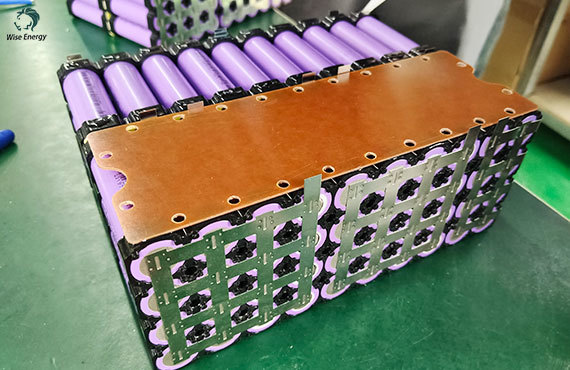
Off-grid inverters need to work seamlessly with your battery bank. Consider the type of batteries you have or plan to use, such as lead-acid or lithium-ion batteries. Ensure that the inverter is compatible with the battery chemistry and voltage of your system. Some inverters offer advanced battery management features, such as temperature compensation and equalization, to optimize battery performance and lifespan.
8. Safety Features
Selecting an off-grid inverter with comprehensive safety features is crucial to protect your system and devices. Look for features like overload protection, over-temperature shutdown, short-circuit protection, and surge protection. These safeguards help prevent damage to the inverter and connected appliances in case of power surges or sudden voltage fluctuations.
9. Monitoring and Control
Having the ability to monitor and control your off-grid inverter remotely can greatly enhance your overall system management. Look for inverters that offer built-in monitoring capabilities or compatibility with external monitoring systems. These features allow you to monitor power production, battery status, and performance remotely, ensuring optimal system performance and identifying any potential issues promptly.
10. Durability and Warranty
Investing in a durable and reliable off-grid inverter is essential for long-term performance. Look for inverters made from high-quality materials that can withstand harsh environmental conditions. Consider the warranty offered by the manufacturer, as it reflects the confidence they have in the product's durability and performance. A longer warranty period provides peace of mind and potential cost savings in case of any unexpected issues.
11. Installation and Maintenance
Consider the ease of installation and maintenance when selecting an off-grid inverter. Look for inverters that come with clear installation instructions and user-friendly interfaces. Opt for inverters that require minimal maintenance and offer easy access to components for troubleshooting or repairs. It's also advisable to consult a professional electrician for the installation to ensure safety and compliance with local electrical codes.
12. Frequently Asked Questions (FAQs)
Q1: Can I use a grid-tie inverter for an off-grid system?
Q2: How long do off-grid inverters typically last?
Q3: Can I connect multiple off-grid inverters in parallel for increased capacity?
Q4: What's the difference between off-grid inverters and grid-tie inverters?
Q5: How do I calculate the power requirements for my off-grid system?
13. Conclusion: Choosing the Best Off-Grid Inverter for Your Needs
Selecting the best off-grid inverter requires careful consideration of various factors, including power output, efficiency, waveform type, voltage compatibility, battery compatibility, safety features, monitoring capabilities, durability, warranty, and ease of installation and maintenance. By thoroughly evaluating your power needs and considering these factors, you can make an informed decision and choose an off-grid inverter that best suits your requirements. Invest in a reliable and high-quality inverter to ensure uninterrupted power supply and maximize the performance of your off-grid system.
Relevant information



Main office: Room 501, Building 3, No. 81, Dingye Road, Tangjiawan Town, High-tech District, Zhuhai City, Guangdong Province, China 519000
Manufacturing Center:Zhongneng Science Park, No. 168, Tanlong North Road,Tanzhou Town, Zhongshan, China
R&D and Sales Center in Oxford, UK:47,The Lawns, Kennington Road,Radley,Oxfordshire, UK, OX14 2JR
SAF Coolest v1.3.1.2 设置面板 GAGSD-ZGYF-JFAVE-ZQZ
无数据提示
Sorry, the current column is being updated, please look forward to it!