


NEWS
What You Need to Know About Residential Off-Grid Inverters
Release time:
2023-08-20
Discover the essential information about residential off-grid inverters in the electrical industry, their role in power and distribution equipment, and how they can help you achieve energy independenc
Residential off-grid inverters play a crucial role in the electrical industry, specifically in the power and distribution equipment sector. These devices are designed to convert the direct current (DC) electricity generated by renewable energy sources such as solar panels or wind turbines into alternating current (AC) electricity. This conversion enables homeowners to power their households independently from the traditional electrical grid.
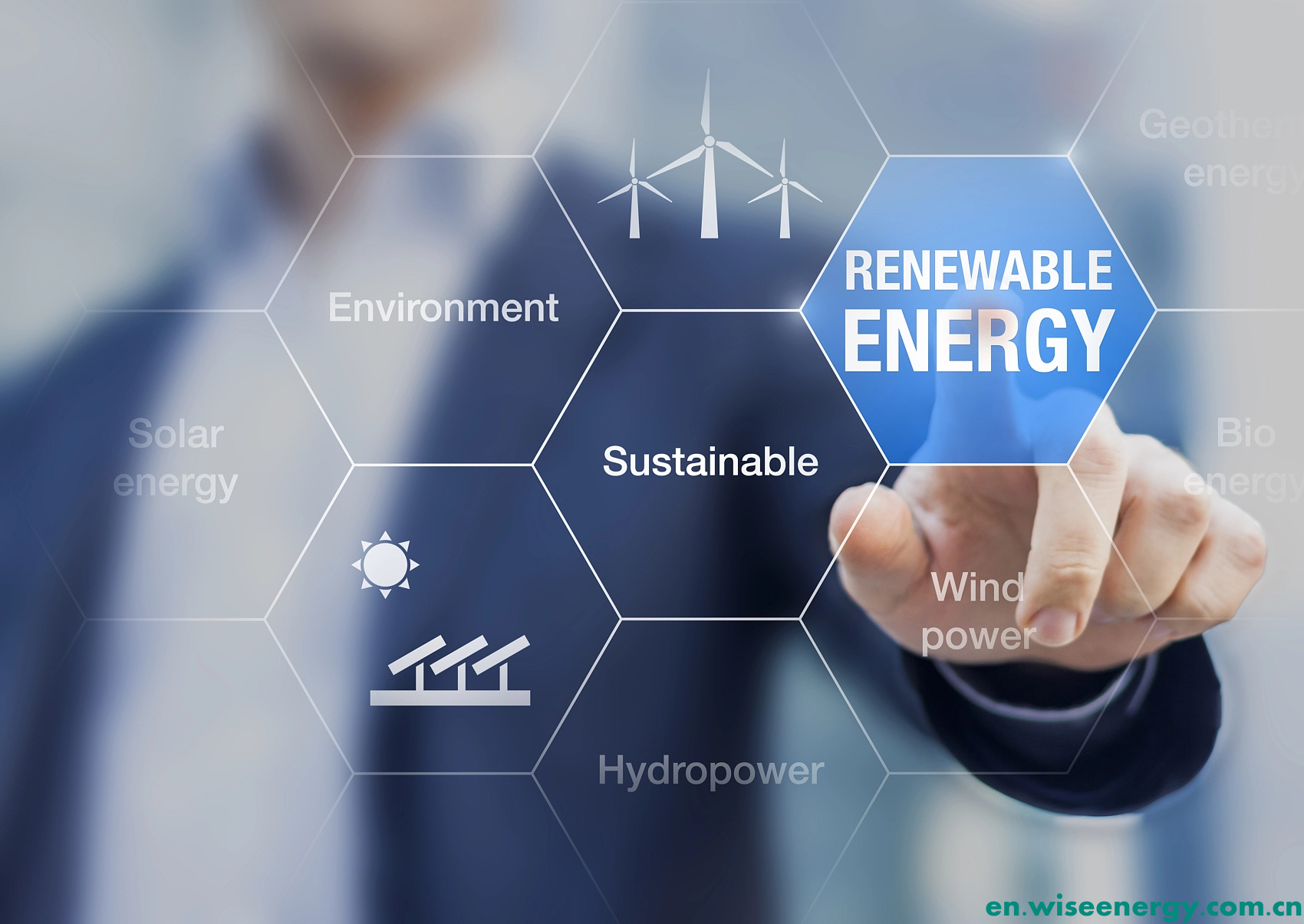
One of the key benefits of residential off-grid inverters is the ability to harness and utilize renewable energy sources. By installing solar panels or wind turbines, homeowners can generate their own electricity and reduce their reliance on fossil fuels. Off-grid inverters ensure that the DC electricity produced by these renewable sources is converted into usable AC electricity, which can be used to power household appliances, charge electronic devices, and run various electrical systems.
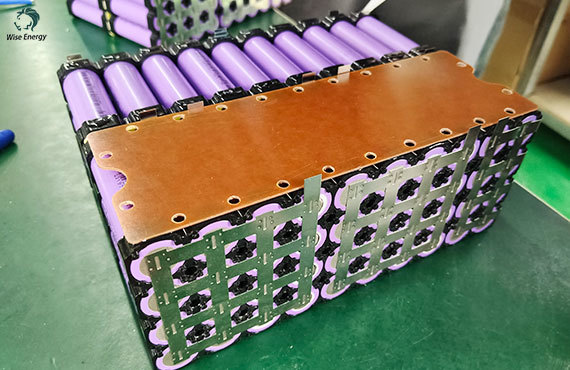
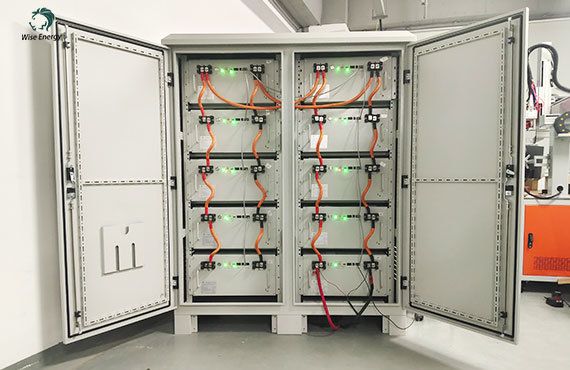
These inverters also play a vital role in energy storage systems. During periods of excess power generation, such as sunny days or windy conditions, the surplus electricity can be stored in batteries for later use. When the renewable energy sources are unable to meet the household's electricity demand, the stored energy can be utilized, ensuring a continuous power supply. Off-grid inverters facilitate this energy management process by efficiently converting the stored DC electricity back to AC electricity.
Furthermore, residential off-grid inverters provide an additional layer of security during power outages. By having an independent power source, homeowners can maintain essential functions within their households, such as lighting, refrigeration, or medical equipment, even when the main grid fails. This can be especially beneficial in remote or rural areas where power outages may be more frequent or take longer to resolve.
It is worth noting that the selection of an appropriate off-grid inverter should align with the specific energy requirements of the household. Factors such as the total power consumption, the capacity of the renewable energy sources, and the desired autonomy level should be considered to ensure optimal performance and cost-effectiveness.
In conclusion, residential off-grid inverters are essential for achieving energy independence and reducing reliance on the traditional electrical grid. These devices enable the efficient conversion of DC electricity generated by renewable energy sources into usable AC electricity, facilitating the operation of household appliances and systems. By incorporating solar panels, wind turbines, and energy storage systems, homeowners can enjoy a sustainable and resilient power supply, even during outages.
Relevant information


Main office: Room 501, Building 3, No. 81, Dingye Road, Tangjiawan Town, High-tech District, Zhuhai City, Guangdong Province, China 519000
Manufacturing Center:Zhongneng Science Park, No. 168, Tanlong North Road,Tanzhou Town, Zhongshan, China
R&D and Sales Center in Oxford, UK:47,The Lawns, Kennington Road,Radley,Oxfordshire, UK, OX14 2JR
SAF Coolest v1.3.1.2 设置面板 GAGSD-ZGYF-JFAVE-ZQZ
无数据提示
Sorry, the current column is being updated, please look forward to it!