


NEWS
The Future of Energy Storage: Hot Sale Lithium-Titanate Batteries
Release time:
2023-08-25
Discover how lithium-titanate batteries are revolutionizing the energy storage industry and shaping the future of renewable energy.
Table of Contents:
1. Introduction: The Rising Demand for Energy Storage
2. Understanding Lithium-Titanate Batteries
3. Advantages of Lithium-Titanate Batteries
4. Applications of Lithium-Titanate Batteries
4.1. Electric Vehicle (EV) Industry
4.2. Renewable Energy Grid Integration
4.3. Microgrids and Energy Independence
5. Overcoming Challenges in Lithium-Titanate Battery Technology
6. Market Trends and Future Prospects
7. Frequently Asked Questions (FAQs)
8. Conclusion
1. Introduction: The Rising Demand for Energy Storage
In today's rapidly evolving world, there is an increasing need to find efficient and sustainable methods of energy storage. As renewable energy sources gain traction, the demand for reliable energy storage solutions has become more crucial than ever. One such solution that holds great promise is the lithium-titanate battery.
2. Understanding Lithium-Titanate Batteries
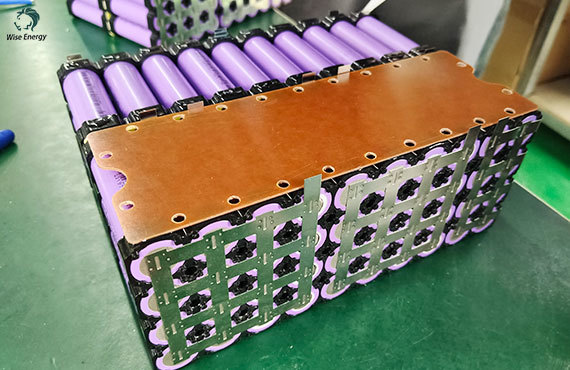
Lithium-titanate batteries, also known as LTO batteries, are a type of rechargeable battery that employs lithium-titanate oxide as the electrode material. These batteries are becoming increasingly popular due to their remarkable performance characteristics and superior safety features.
Advantages of Lithium-Titanate Batteries
Lithium-titanate batteries offer several key advantages over traditional lithium-ion batteries. Firstly, they have an exceptionally long lifespan, with the ability to endure thousands of charge-discharge cycles without significant degradation. This longevity makes them ideal for applications where a reliable and durable energy storage solution is required.
Secondly, LTO batteries have a rapid charging capability. Unlike other battery chemistries, lithium-titanate batteries can be charged to their maximum capacity in a short period, minimizing downtime and improving overall efficiency.
Furthermore, these batteries exhibit excellent thermal stability and are less prone to thermal runaway, a phenomenon that can lead to battery failure or even explosions. This makes them a safer choice for energy storage applications, including electric vehicles and grid integration.
Applications of Lithium-Titanate Batteries
4.1. Electric Vehicle (EV) Industry
The electric vehicle industry is one of the primary beneficiaries of lithium-titanate battery technology. The ability of LTO batteries to endure high charge-discharge rates, coupled with their extended lifespan, makes them an ideal choice for electric vehicles. These batteries allow for faster charging and longer driving ranges, addressing two crucial concerns of EV users.
4.2. Renewable Energy Grid Integration
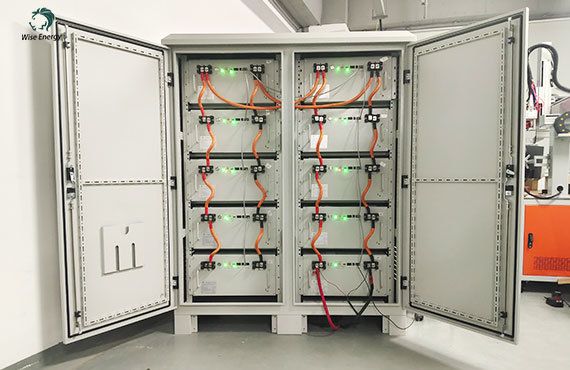
As the world transitions towards renewable energy sources, the need for efficient grid integration becomes paramount. Lithium-titanate batteries can store excess energy generated by renewable sources, such as solar or wind power, and release it during peak demand periods. This helps stabilize the grid and ensures a consistent power supply, irrespective of the intermittent nature of renewable energy generation.
4.3. Microgrids and Energy Independence
Microgrids, localized power distribution systems, offer the advantage of energy independence and enhanced resiliency. Lithium-titanate batteries are well-suited for microgrid applications due to their fast charge-discharge capabilities, long lifespan, and high power density. These batteries enable communities and businesses to reduce their dependence on the main grid and provide reliable backup power during outages.
5. Overcoming Challenges in Lithium-Titanate Battery Technology
While lithium-titanate batteries possess numerous advantages, they also face certain challenges. One such challenge is their lower energy density compared to other lithium-ion battery chemistries. However, ongoing research and development efforts are focused on improving energy density without compromising other essential characteristics.
6. Market Trends and Future Prospects
The market for lithium-titanate batteries is experiencing consistent growth, driven by the increasing adoption of electric vehicles, renewable energy integration, and microgrid applications. With advancements in battery technology and declining costs, lithium-titanate batteries are poised to play a significant role in shaping the future of energy storage.
7. Frequently Asked Questions (FAQs)
Q1: How do lithium-titanate batteries differ from traditional lithium-ion batteries?
Q2: What is the lifespan of lithium-titanate batteries?
Q3: Can lithium-titanate batteries be charged quickly?
Q4: Are lithium-titanate batteries safe?
Q5: What are the main applications of lithium-titanate batteries?
8. Conclusion
In conclusion, lithium-titanate batteries represent a promising solution for energy storage needs in the years to come. With their exceptional lifespan, rapid charging capabilities, and superior safety features, these batteries have the potential to revolutionize various industries, including electric vehicles, renewable energy integration, and microgrid applications. As research and development efforts continue, we can expect further advancements in lithium-titanate battery technology, driving the future of energy storage towards a more sustainable and efficient direction.
Relevant information



Main office: Room 501, Building 3, No. 81, Dingye Road, Tangjiawan Town, High-tech District, Zhuhai City, Guangdong Province, China 519000
Manufacturing Center:Zhongneng Science Park, No. 168, Tanlong North Road,Tanzhou Town, Zhongshan, China
R&D and Sales Center in Oxford, UK:47,The Lawns, Kennington Road,Radley,Oxfordshire, UK, OX14 2JR
SAF Coolest v1.3.1.2 设置面板 GAGSD-ZGYF-JFAVE-ZQZ
无数据提示
Sorry, the current column is being updated, please look forward to it!