


NEWS
The Latest Innovations in High Quality Lithium–Titanate Battery Technology
Release time:
2023-08-29
Discover the cutting-edge advancements in lithium–titanate battery technology that are revolutionizing the energy storage industry. From enhanced safety features to improved performance and durability
Table of Contents:
1. Introduction
2. The Basics of Lithium–Titanate Batteries
3. Advantages of Lithium–Titanate Batteries
4. Recent Innovations in High Quality Lithium–Titanate Battery Technology
4.1 Advanced Safety Features
4.2 Extended Lifespan
4.3 Rapid Charging Capabilities
4.4 High Power Density
4.5 Enhanced Thermal Stability
4.6 Improved Environmental Sustainability
4.7 Integration with Renewable Energy Systems
5. Frequently Asked Questions
5.1 How do lithium–titanate batteries differ from other types of batteries?
5.2 Are lithium–titanate batteries suitable for electric vehicles?
5.3 Can lithium–titanate batteries be used for grid-scale energy storage?
5.4 What are the safety measures in place for lithium–titanate batteries?
5.5 How do lithium–titanate batteries contribute to a greener future?
6. Conclusion
1. Introduction
In this article, we delve into the latest breakthroughs in high quality lithium–titanate battery technology. From their composition and advantages to recent innovations, we provide a comprehensive overview of the advancements that are propelling the energy storage industry forward.
2. The Basics of Lithium–Titanate Batteries
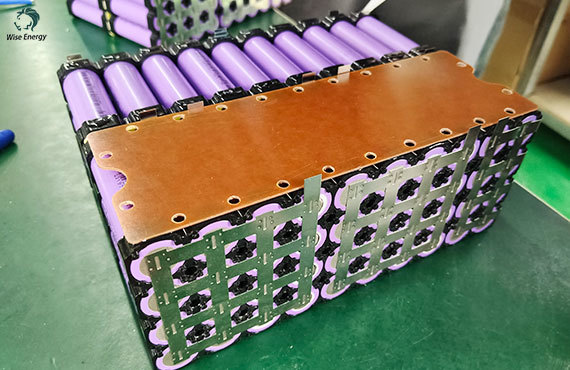
Lithium–titanate batteries, also known as LTO batteries, are a type of rechargeable battery that utilize a lithium-titanate anode. Unlike conventional lithium-ion batteries, which typically use graphite anodes, LTO batteries offer distinct advantages in terms of safety, performance, and lifespan.
3. Advantages of Lithium–Titanate Batteries
LTO batteries have gained significant attention in the energy storage sector due to their numerous advantages. These advantages include:
- Enhanced Safety: Lithium–titanate batteries are highly resistant to thermal runaway, making them inherently safer compared to other battery technologies.
- High Cycle Life: LTO batteries can withstand a significantly higher number of charge-discharge cycles, providing a longer lifespan and reduced maintenance requirements.
- High Power Density: These batteries offer exceptional power output, making them ideal for applications that require rapid charging and discharging.
4. Recent Innovations in High Quality Lithium–Titanate Battery Technology
4.1 Advanced Safety Features
The latest innovations in lithium–titanate battery technology have focused on enhancing safety features even further. Advanced battery management systems, along with improved cell designs, have minimized the risk of overcharging, overheating, and short-circuiting.
4.2 Extended Lifespan
Researchers have been working on improving the longevity of lithium–titanate batteries. By optimizing the cell composition and electrode materials, they have successfully extended the lifespan of these batteries, making them more economically viable for long-term use.
4.3 Rapid Charging Capabilities
One of the key advantages of lithium–titanate batteries is their ability to charge at a rapid rate. Recent advancements have further improved this capability, enabling shorter charging times and increasing the efficiency of electric vehicles and energy storage systems.
4.4 High Power Density
With ongoing research and development, lithium–titanate batteries are achieving higher power density levels. This means that these batteries can deliver more power in a smaller and lighter package, opening up new possibilities for various applications, including electric vehicles and renewable energy integration.
4.5 Enhanced Thermal Stability
Lithium–titanate batteries now come with enhanced thermal stability features, allowing them to operate optimally even in extreme temperature conditions. This improvement ensures better performance and reliability, particularly in regions with harsh climates.
4.6 Improved Environmental Sustainability
The latest innovations in lithium–titanate battery technology have also focused on making these batteries more environmentally friendly. From using sustainable materials in the manufacturing process to prioritizing recyclability, efforts are being made to minimize the environmental impact of battery production and disposal.
4.7 Integration with Renewable Energy Systems
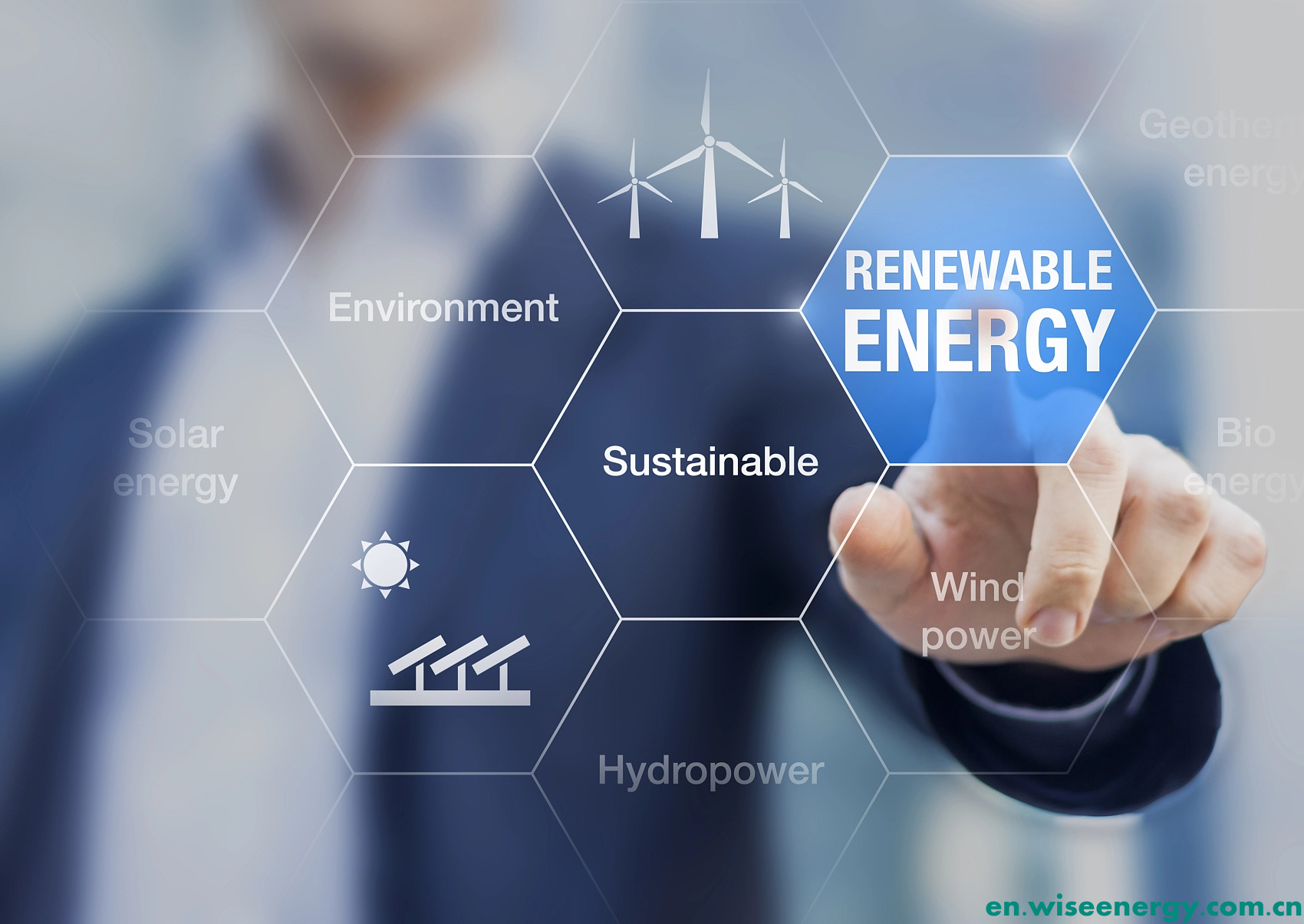
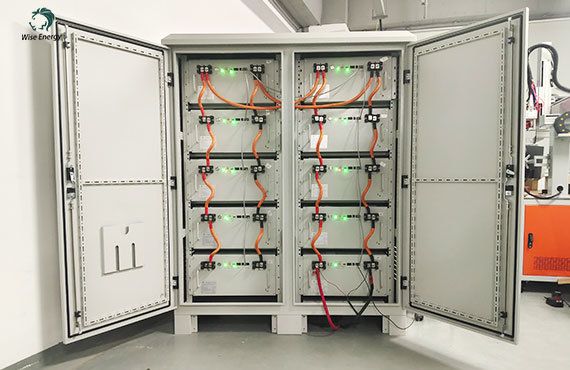
Lithium–titanate batteries are increasingly being integrated with renewable energy systems, such as solar and wind power installations. Their high power density, rapid charging capabilities, and extended lifespan make them an ideal choice for storing renewable energy and ensuring a reliable power supply.
5. Frequently Asked Questions
5.1 How do lithium–titanate batteries differ from other types of batteries?
Lithium–titanate batteries differ from other types of batteries primarily in their composition and performance characteristics. They offer enhanced safety, high power density, and an extended lifespan compared to conventional lithium-ion batteries.
5.2 Are lithium–titanate batteries suitable for electric vehicles?
Yes, lithium–titanate batteries are well-suited for electric vehicles. Their rapid charging capabilities, high power density, and extended lifespan make them an ideal choice for powering electric cars.
5.3 Can lithium–titanate batteries be used for grid-scale energy storage?
Yes, lithium–titanate batteries can be used for grid-scale energy storage. Their high power density and ability to withstand numerous charge-discharge cycles make them an excellent option for storing renewable energy and ensuring grid stability.
5.4 What are the safety measures in place for lithium–titanate batteries?
Lithium–titanate batteries incorporate advanced safety features such as battery management systems, temperature monitoring, and protection against overcharging and short-circuiting. These measures help mitigate safety risks and enhance reliability.
5.5 How do lithium–titanate batteries contribute to a greener future?
Lithium–titanate batteries contribute to a greener future by enabling the widespread adoption of renewable energy sources and electric vehicles. Their high power density, rapid charging capabilities, and extended lifespan make them a sustainable and efficient energy storage solution.
6. Conclusion
The latest innovations in high quality lithium–titanate battery technology have opened up new possibilities for energy storage and transportation. With enhanced safety features, improved lifespan, rapid charging capabilities, and high power density, lithium–titanate batteries are paving the way for a greener and more sustainable future.
Relevant information


Main office: Room 501, Building 3, No. 81, Dingye Road, Tangjiawan Town, High-tech District, Zhuhai City, Guangdong Province, China 519000
Manufacturing Center:Zhongneng Science Park, No. 168, Tanlong North Road,Tanzhou Town, Zhongshan, China
R&D and Sales Center in Oxford, UK:47,The Lawns, Kennington Road,Radley,Oxfordshire, UK, OX14 2JR
SAF Coolest v1.3.1.2 设置面板 GAGSD-ZGYF-JFAVE-ZQZ
无数据提示
Sorry, the current column is being updated, please look forward to it!