


NEWS
All You Need to Know About Residential Off Grid Inverters
Release time:
2023-09-25
Discover the essential information about residential off-grid inverters in the electrical power and distribution equipment industry. Learn about their functionality, benefits, and how they can contrib
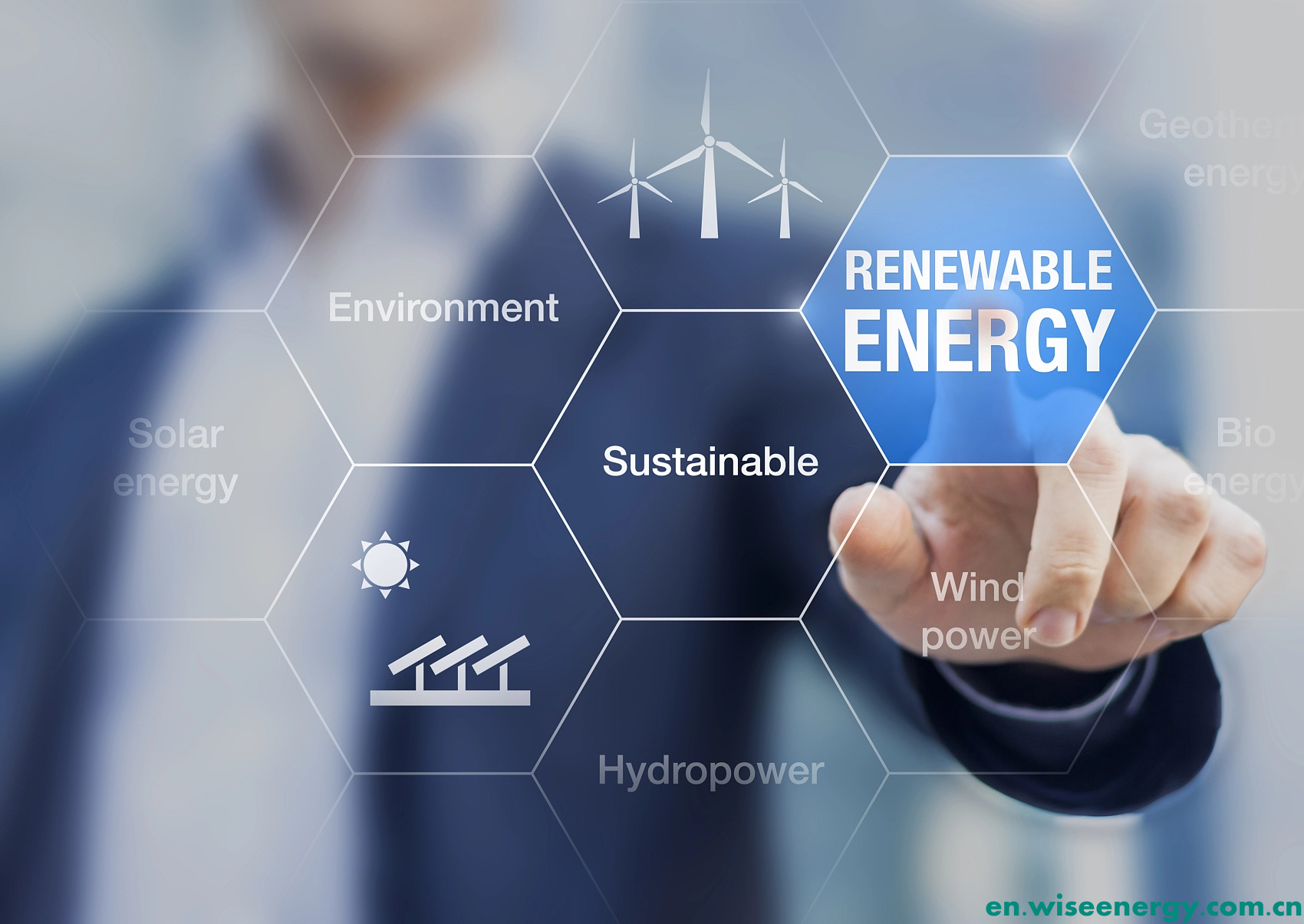
Residential off-grid inverters play a crucial role in the electrical power and distribution equipment industry, specifically in the realm of self-sustainable energy systems. These inverters are designed to convert the direct current (DC) generated by renewable energy sources, such as solar panels or wind turbines, into alternating current (AC) that can power your home.
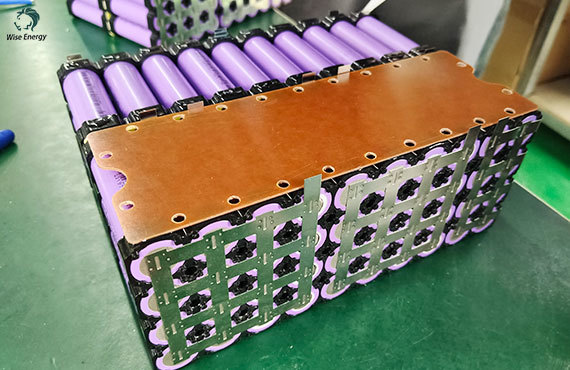
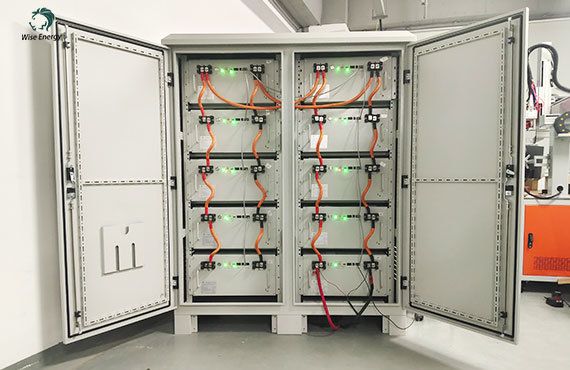
One of the key benefits of residential off-grid inverters is their ability to provide electricity even when there is no access to the traditional power grid. This is particularly useful in remote areas or during emergencies where a reliable power source is essential. By harnessing energy from renewable sources and storing it in batteries, these inverters ensure a constant supply of electricity for your residential needs.
Residential off-grid inverters come in various sizes and capacities, allowing homeowners to choose the most suitable option based on their energy requirements. Smaller inverters are ideal for powering basic appliances and lighting, while larger ones can support more substantial loads, including heating and cooling systems.
When selecting a residential off-grid inverter, it is essential to consider its efficiency and reliability. Look for inverters with high conversion efficiency ratings, as this determines how effectively they can convert DC to AC. Additionally, ensure that the inverter has built-in safety features such as overload protection, short-circuit protection, and surge protection to safeguard both the system and your appliances.
Integrating a residential off-grid inverter into your home's energy system offers several advantages. Firstly, it reduces your reliance on fossil fuels, contributing to a greener and more sustainable environment. Secondly, it provides energy independence, allowing you to generate and consume electricity on your terms. Finally, it can significantly lower your energy bills over time by utilizing free and renewable energy sources.
In conclusion, residential off-grid inverters are vital components of self-sustainable energy systems. By converting renewable energy into usable electricity, these inverters offer numerous benefits, including energy independence, reduced environmental impact, and potential cost savings. Embrace the power of residential off-grid inverters and take a step towards a more sustainable future.
Relevant information


Main office: Room 501, Building 3, No. 81, Dingye Road, Tangjiawan Town, High-tech District, Zhuhai City, Guangdong Province, China 519000
Manufacturing Center:Zhongneng Science Park, No. 168, Tanlong North Road,Tanzhou Town, Zhongshan, China
R&D and Sales Center in Oxford, UK:47,The Lawns, Kennington Road,Radley,Oxfordshire, UK, OX14 2JR
SAF Coolest v1.3.1.2 设置面板 GAGSD-ZGYF-JFAVE-ZQZ
无数据提示
Sorry, the current column is being updated, please look forward to it!