


NEWS
Understanding the Working Principle of Residential Off-Grid Inverters: A Comprehensive Guide to Harnessing Renewable Energy
Release time:
2023-09-26
Discover how residential off-grid inverters work and unlock the potential of renewable energy for your home. Learn about the key components, functions, and benefits of off-grid inverters in this detai
Table of Contents:
1. Introduction: Embracing Renewable Energy for Your Home
2. What Are Residential Off-Grid Inverters?
3. How Do Residential Off-Grid Inverters Work?
3.1. DC to AC Conversion: Unlocking the Power of Solar Energy
3.2. Charging the Battery: Storing Energy for Future Use
3.3. Managing Power Output: Balancing Energy Demand
4. Key Components of Residential Off-Grid Inverters
4.1. Photovoltaic (PV) Panels: Harvesting Solar Energy
4.2. Battery Bank: Storing Excess Energy
4.3. Charge Controller: Regulating Energy Flow
4.4. Inverter: Transforming DC to AC Power
5. Benefits of Using Residential Off-Grid Inverters
5.1. Energy Independence: Say Goodbye to Utility Bills
5.2. Environmental Sustainability: Reduce Your Carbon Footprint
5.3. Backup Power Supply: Security during Outages
5.4. Remote Power: Bring Electricity to Remote Areas
5.5. Cost Savings: Maximize Your Renewable Energy Investment
6. Frequently Asked Questions (FAQs)
6.1. Can residential off-grid inverters work in any climate?
6.2. How long do the batteries in off-grid inverters last?
6.3. Can I connect my off-grid inverter to the grid as well?
6.4. Are off-grid inverters suitable for large-scale energy needs?
6.5. What maintenance is required for residential off-grid inverters?
7. Conclusion
1. Introduction: Embracing Renewable Energy for Your Home
In recent years, renewable energy has emerged as an essential solution to combat climate change and reduce reliance on fossil fuels. A crucial aspect of harnessing renewable energy at home is understanding how residential off-grid inverters work. By efficiently converting and managing DC power from solar panels, off-grid inverters play a pivotal role in making your home self-sufficient and environmentally friendly.
2. What Are Residential Off-Grid Inverters?
Residential off-grid inverters are devices that convert direct current (DC) energy generated by solar panels into alternating current (AC) electricity suitable for powering household appliances. Unlike grid-tied inverters that rely on utility power, off-grid inverters function independently, allowing homeowners to live "off the grid" and rely solely on renewable energy sources.
3. How Do Residential Off-Grid Inverters Work?
3.1. DC to AC Conversion: Unlocking the Power of Solar Energy
Off-grid inverters convert the DC power generated by solar photovoltaic (PV) panels into AC power. By utilizing a complex electronic circuitry, the inverter transforms the energy characteristics from a steady, low-voltage DC source to a fluctuating, high-voltage AC output compatible with standard household appliances.
3.2. Charging the Battery: Storing Energy for Future Use
Excess solar energy that is not immediately consumed is directed to a battery bank for storage. The off-grid inverter ensures efficient charging of the batteries by regulating the energy flow from the PV panels. This stored energy can then be utilized during periods of low sunlight or when the demand exceeds the solar panel's capacity.
3.3. Managing Power Output: Balancing Energy Demand
To ensure a stable and reliable power supply, off-grid inverters continuously monitor the energy demand and adjust the AC output accordingly. This feature prevents overloading and electrical system failures, ensuring your appliances receive a consistent power supply.
4. Key Components of Residential Off-Grid Inverters
4.1. Photovoltaic (PV) Panels: Harvesting Solar Energy
PV panels are the primary source of renewable energy in an off-grid system. These panels contain an array of solar cells that convert sunlight into DC electricity. The number and capacity of PV panels depend on the energy requirements of your household.
4.2. Battery Bank: Storing Excess Energy
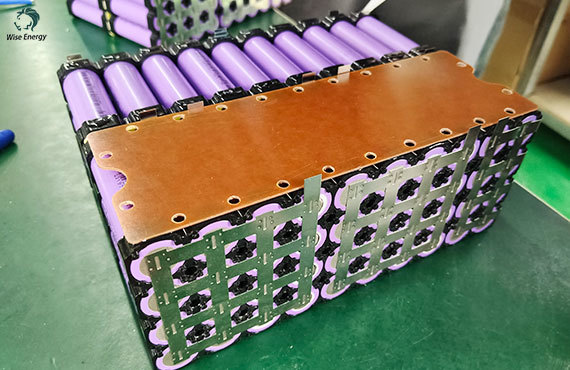
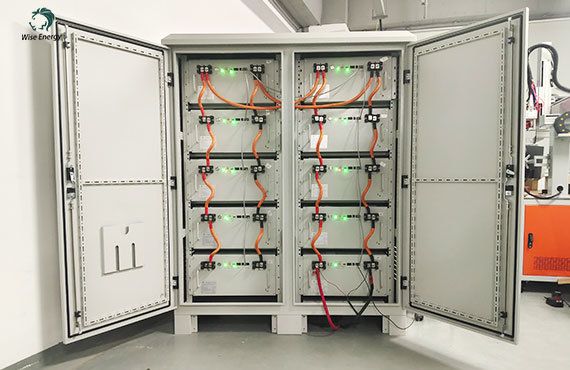
The battery bank stores surplus energy generated by the PV panels for later use. These deep cycle batteries are designed to withstand frequent charging and discharging cycles. Depending on the energy demand, the battery bank's capacity can be customized to ensure uninterrupted power supply.
4.3. Charge Controller: Regulating Energy Flow
The charge controller acts as a gateway between the PV panels and the battery bank. It regulates the energy flow, preventing overcharging or deep discharging of the batteries. This essential component protects the batteries from damage and extends their lifespan.
4.4. Inverter: Transforming DC to AC Power
The inverter is the heart of the off-grid system, responsible for converting the DC energy from the PV panels and batteries into usable AC power. It ensures the electricity generated is compatible with household appliances, allowing you to power lights, electronics, and other devices seamlessly.
5. Benefits of Using Residential Off-Grid Inverters
5.1. Energy Independence: Say Goodbye to Utility Bills
By harnessing renewable energy with off-grid inverters, homeowners can break free from dependence on traditional utility providers. Generating your electricity means reduced or even eliminated monthly bills, providing long-term financial savings.
5.2. Environmental Sustainability: Reduce Your Carbon Footprint
Utilizing renewable energy sources significantly reduces greenhouse gas emissions associated with fossil fuels. By adopting off-grid inverters, you contribute to a cleaner, more sustainable planet, helping combat climate change.
5.3. Backup Power Supply: Security during Outages
During grid outages or emergencies, residential off-grid inverters provide a reliable backup power supply. Ensuring essential appliances such as refrigerators, communication devices, and medical equipment stay operational, the system offers peace of mind in critical situations.
5.4. Remote Power: Bring Electricity to Remote Areas
Off-grid inverters empower individuals living in remote areas without access to utility grids. By harnessing renewable energy, these systems bring electricity to off-grid locations, enabling a better quality of life and economic opportunities.
5.5. Cost Savings: Maximize Your Renewable Energy Investment
Investing in residential off-grid inverters translates into long-term financial benefits. With reduced utility bills and potential government incentives, homeowners can recoup their initial investment and enjoy substantial cost savings over time.
6. Frequently Asked Questions (FAQs)
6.1. Can residential off-grid inverters work in any climate?
Despite being most commonly associated with sunny regions, off-grid inverters can function effectively in various climates. However, the system's performance may be influenced by factors such as sunlight availability, temperature, and weather conditions.
6.2. How long do the batteries in off-grid inverters last?
The lifespan of batteries in off-grid inverters depends on several factors, including the battery type, quality, usage patterns, and maintenance. On average, well-maintained batteries can last between 5 to 15 years, but proper care and regular monitoring are essential for maximizing their longevity.
6.3. Can I connect my off-grid inverter to the grid as well?
Off-grid inverters are designed to operate independently from the utility grid, allowing users to live autonomously. However, hybrid systems are also available, enabling homeowners to switch between off-grid and grid-tied modes, providing flexibility and additional power options.
6.4. Are off-grid inverters suitable for large-scale energy needs?
While off-grid inverters are commonly used for residential applications, they can be scaled up to meet larger energy demands. By integrating multiple PV panels and expanding the battery bank, off-grid systems can power commercial and industrial establishments as well.
6.5. What maintenance is required for residential off-grid inverters?
Routine maintenance is crucial to ensure the optimal performance and longevity of off-grid inverters. Regular inspections, cleaning, and battery maintenance are recommended, and professional assistance should be sought for complex issues or repairs.
7. Conclusion
Understanding the working principle of residential off-grid inverters is crucial for homeowners seeking to harness the benefits of renewable energy. By effectively converting solar energy, storing excess power, and providing a reliable electricity supply, off-grid inverters pave the way towards a sustainable and self-sufficient future. Embrace the power of renewable energy and take control of your energy needs with residential off-grid inverters.
Relevant information


Main office: Room 501, Building 3, No. 81, Dingye Road, Tangjiawan Town, High-tech District, Zhuhai City, Guangdong Province, China 519000
Manufacturing Center:Zhongneng Science Park, No. 168, Tanlong North Road,Tanzhou Town, Zhongshan, China
R&D and Sales Center in Oxford, UK:47,The Lawns, Kennington Road,Radley,Oxfordshire, UK, OX14 2JR
SAF Coolest v1.3.1.2 设置面板 GAGSD-ZGYF-JFAVE-ZQZ
无数据提示
Sorry, the current column is being updated, please look forward to it!