


NEWS
The Fascinating Technology Behind LTO Batteries
Release time:
2023-10-31
Learn about the science and applications of LTO batteries in the electrical industry.
Introduction:
LTO (Lithium Titanate Oxide) batteries play a crucial role in the electrical industry, particularly in the field of batteries, power storage, and chargers. In this article, we will delve into the technology behind LTO batteries and explore their applications, advantages, and limitations.
Understanding LTO Batteries:
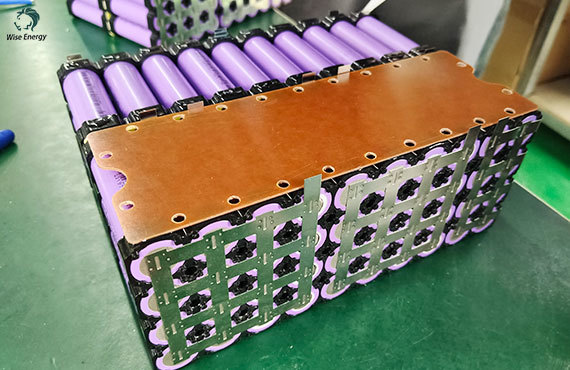
LTO batteries are a type of rechargeable lithium-ion battery, known for their high power density and long lifespan. Unlike traditional lithium-ion batteries, which use graphite-based anodes, LTO batteries utilize lithium titanate as the anode material. This unique composition provides numerous benefits, making LTO batteries an ideal choice for various applications.
Applications of LTO Batteries:
1. Electric Vehicles (EVs): LTO batteries are increasingly used in electric vehicles due to their superior power output and fast charging capabilities. These batteries can withstand high charge and discharge rates, making them a reliable energy source for EVs.
2. Renewable Energy Storage: LTO batteries are employed in renewable energy systems to store excess energy generated by solar panels or wind turbines. Their ability to handle frequent charge and discharge cycles, coupled with their high energy efficiency, makes them an excellent choice for energy storage applications.
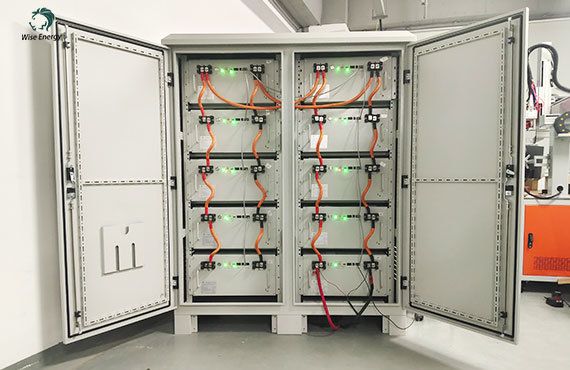
3. Industrial and Grid Energy Storage: LTO batteries are utilized in grid-scale energy storage systems, where they help stabilize the electrical grid by storing surplus energy during low demand periods and releasing it during peak hours. This assists in reducing strain on power plants and enhancing overall grid reliability.
Advantages of LTO Batteries:
- Enhanced Safety: LTO batteries have a higher thermal stability compared to other lithium-ion batteries, reducing the risk of thermal runaway and ensuring safer operation.
- Long Lifespan: LTO batteries can endure a significantly higher number of charge and discharge cycles, often exceeding 10,000 cycles. This extended lifespan makes them a cost-effective option in the long run.
- Wide Operating Temperature Range: LTO batteries can function efficiently in extreme temperatures, both high and low, without compromising their performance or longevity.
Limitations of LTO Batteries:
- Lower Energy Density: LTO batteries have a lower energy density compared to conventional lithium-ion batteries. This means they store less energy per unit volume, making them less suitable for applications requiring lightweight and compact designs.
- Higher Cost: Due to the complex manufacturing process and the unique materials used, LTO batteries tend to be more expensive than other lithium-ion batteries. However, their long lifespan offsets the initial investment.
Conclusion:
LTO batteries are revolutionizing the electrical industry with their exceptional power output, long lifespan, and enhanced safety features. From electric vehicles to renewable energy storage and grid-scale applications, LTO batteries offer a reliable and efficient energy solution. As technology continues to advance, it is likely that LTO batteries will play an increasingly significant role in powering our world.
Relevant information



Main office: Room 501, Building 3, No. 81, Dingye Road, Tangjiawan Town, High-tech District, Zhuhai City, Guangdong Province, China 519000
Manufacturing Center:Zhongneng Science Park, No. 168, Tanlong North Road,Tanzhou Town, Zhongshan, China
R&D and Sales Center in Oxford, UK:47,The Lawns, Kennington Road,Radley,Oxfordshire, UK, OX14 2JR
SAF Coolest v1.3.1.2 设置面板 GAGSD-ZGYF-JFAVE-ZQZ
无数据提示
Sorry, the current column is being updated, please look forward to it!