


NEWS
Lithium-ion (Li-ion) Batteries: The Power Source Revolutionizing the Electrical Industry
Release time:
2023-11-02
Discover the revolutionary technology of lithium-ion batteries (Li-ion) and how they are transforming the electrical industry. Explore the key features, benefits, and applications of Li-ion batteries,
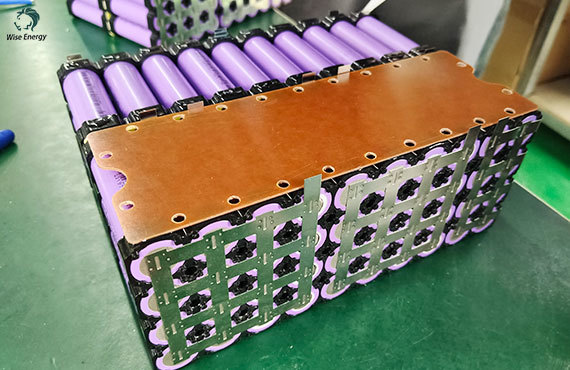
In recent years, the demand for portable and efficient power sources has led to significant advancements in battery technology. Among these innovations, lithium-ion (Li-ion) batteries have emerged as a game-changer in the electrical industry. As an integral part of the battery, storage, and charging sector, Li-ion batteries play a crucial role in powering various devices and systems, from smartphones to electric vehicles.
Li-ion batteries offer several key features that set them apart from traditional battery technologies. Firstly, they have a high energy density, allowing for a compact and lightweight design. This makes them ideal for applications where space and weight are limited, such as in portable electronics and electric vehicles. Additionally, Li-ion batteries have a low self-discharge rate, meaning they can maintain their charge over extended periods without significant power loss. This feature ensures that devices powered by Li-ion batteries are always ready for use, even after long periods of inactivity.
The benefits of Li-ion batteries extend beyond their technical specifications. One major advantage is their long lifespan compared to other battery types. With proper care and usage, Li-ion batteries can provide reliable power for several years, reducing the need for frequent replacements. Moreover, Li-ion batteries are known for their fast charging capabilities, allowing users to quickly recharge their devices and minimize downtime. This aspect is particularly critical in industries where productivity and efficiency are paramount.
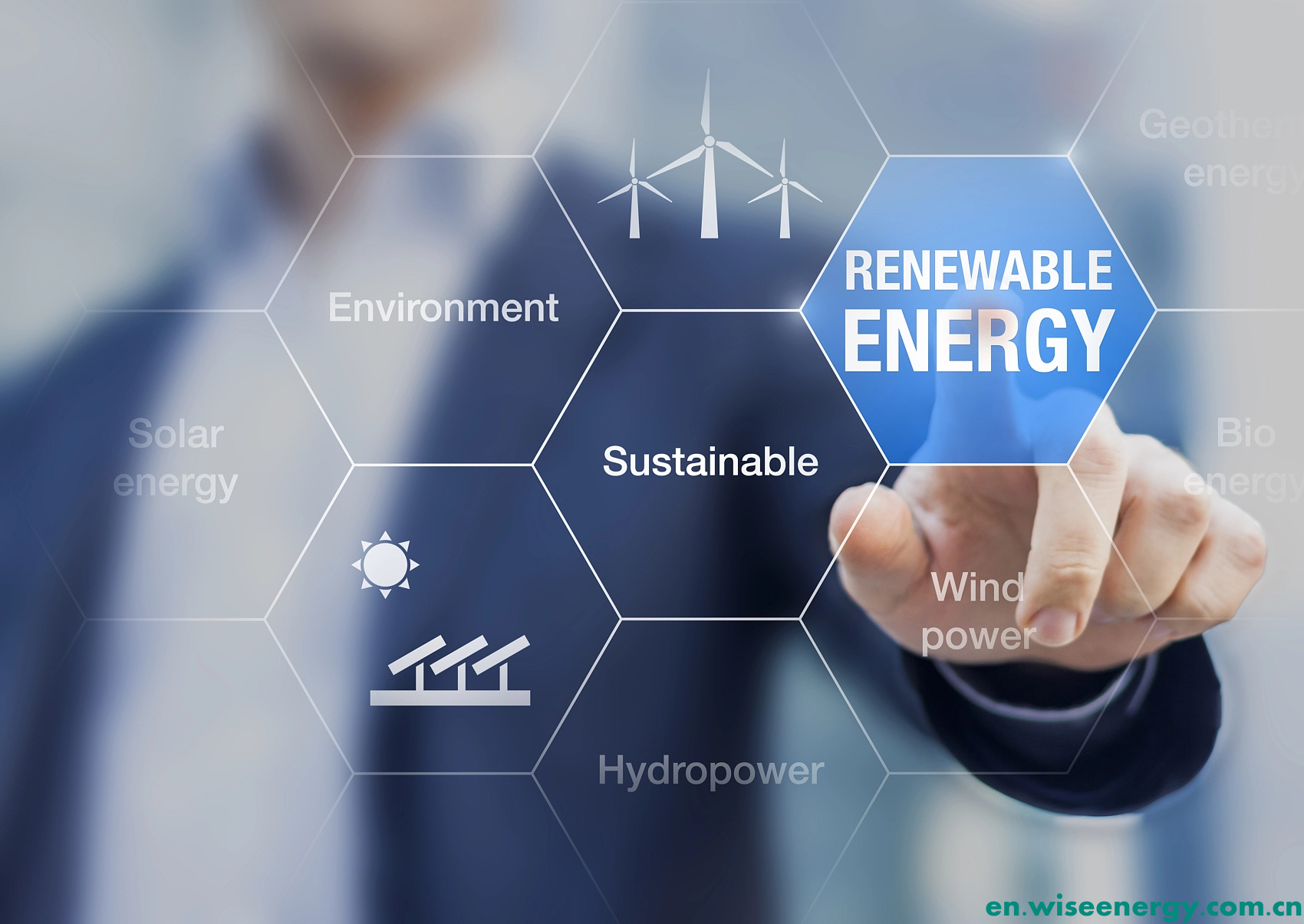
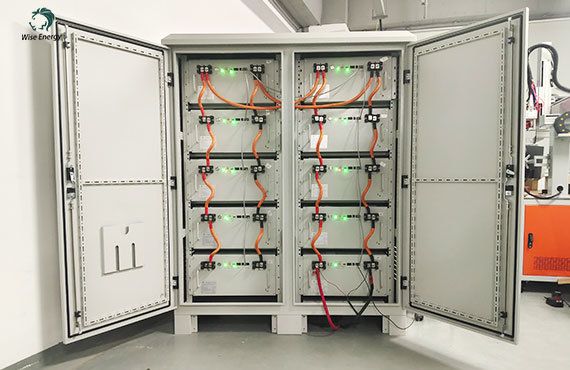
The applications of Li-ion batteries span across various sectors within the electrical industry. In the consumer electronics sector, Li-ion batteries power smartphones, tablets, laptops, and wearables, delivering a portable and long-lasting energy source. In the automotive industry, Li-ion batteries are essential components of electric vehicles, providing the necessary power for propulsion. Additionally, Li-ion batteries find application in renewable energy systems, where they store energy generated from solar panels or wind turbines for later use.
As the demand for sustainable energy solutions continues to grow, the importance of Li-ion batteries in the electrical industry will only increase. Manufacturers are constantly pushing the boundaries of Li-ion battery technology, striving to improve energy density, charging speed, and overall performance. With ongoing research and development, the future holds promising advancements, including solid-state Li-ion batteries, which offer even greater energy density and safety.
In conclusion, Li-ion batteries have revolutionized the electrical industry, providing a reliable and efficient power source for a wide range of applications. Their high energy density, long lifespan, and fast charging capabilities make them indispensable in today's world. As the electrical industry evolves, Li-ion batteries will play an increasingly vital role in powering our devices and driving the transition towards a greener and more sustainable future.
Relevant information


Main office: Room 501, Building 3, No. 81, Dingye Road, Tangjiawan Town, High-tech District, Zhuhai City, Guangdong Province, China 519000
Manufacturing Center:Zhongneng Science Park, No. 168, Tanlong North Road,Tanzhou Town, Zhongshan, China
R&D and Sales Center in Oxford, UK:47,The Lawns, Kennington Road,Radley,Oxfordshire, UK, OX14 2JR
SAF Coolest v1.3.1.2 设置面板 GAGSD-ZGYF-JFAVE-ZQZ
无数据提示
Sorry, the current column is being updated, please look forward to it!