


NEWS
The Future of Energy Storage: A Game-Changer in the Electrical Industry
Release time:
2023-11-11
Discover the revolutionary advancements in energy storage technology that are transforming the electrical industry. Explore how these innovations are paving the way for a sustainable future and reshap
Table of Contents
1. Introduction: The Growing Need for Energy Storage
2. The Evolution of Energy Storage: From Batteries to Advanced Systems
3. Key Challenges in Energy Storage and How They Are Being Addressed
4. Breakthrough Technologies: The Promise of Energy Storage
4.1. Lithium-ion Batteries: Dominating the Market
4.2. Vanadium Redox Flow Batteries: High Capacity and Longevity
4.3. Solid-State Batteries: Safer and More Efficient
4.4. Pumped Hydro Storage: Harnessing Gravity for Energy Storage
4.5. Compressed Air Energy Storage: A Sustainable Solution
4.6. Flywheel Energy Storage: Harnessing Rotational Energy
4.7. Thermal Energy Storage: Utilizing Heat and Cold for Power
5. Applications of Energy Storage in the Electrical Industry
5.1. Grid Energy Storage: Balancing Supply and Demand
5.2. Renewable Integration: Stabilizing Intermittent Energy Sources
5.3. Microgrids: Empowering Local Energy Systems
5.4. Electric Vehicles: Extending Range and Charging Efficiency
5.5. Industrial and Commercial Applications: Optimizing Energy Usage
6. The Economic and Environmental Benefits of Energy Storage
7. Overcoming Barriers: Policy, Regulation, and Infrastructure
8. Frequently Asked Questions (FAQs)
8.1. How does energy storage contribute to the reliability of the electrical grid?
8.2. Are there any safety concerns associated with energy storage systems?
8.3. How can energy storage help reduce greenhouse gas emissions?
8.4. What role does energy storage play in the transition to renewable energy?
8.5. How affordable is energy storage technology for residential consumers?
9. Conclusion: Embracing the Future of Energy Storage
1. Introduction: The Growing Need for Energy Storage
In an era driven by the demand for sustainable energy solutions, the importance of energy storage has never been more evident. As renewable energy sources like wind and solar gain prominence, the need for reliable and efficient storage systems becomes paramount. Energy storage technology offers the means to overcome the intermittency of these renewable sources and ensure a consistent power supply.
2. The Evolution of Energy Storage: From Batteries to Advanced Systems
Energy storage has come a long way since the early days of simple batteries. Today, advanced systems are being developed to tackle the challenges of scalability, efficiency, and longevity. These innovations are transforming the electrical industry, providing grid stability, supporting renewable integration, and enabling the electrification of transportation.
3. Key Challenges in Energy Storage and How They Are Being Addressed
As energy storage technology progresses, several challenges need to be addressed. These include cost reduction, improving energy density, enhancing cycle life, and ensuring safety. Through ongoing research and development, breakthrough solutions are emerging to meet these challenges head-on.
4. Breakthrough Technologies: The Promise of Energy Storage
4.1. Lithium-ion Batteries: Dominating the Market
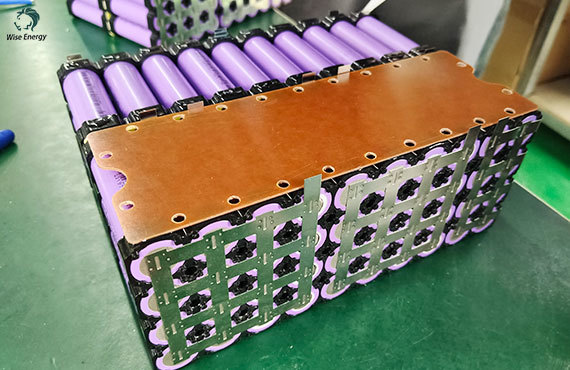
Lithium-ion batteries have revolutionized portable electronics and electric vehicles, and their dominance extends to energy storage applications. These batteries offer high energy density, efficiency, and a proven track record, making them a go-to choice for many industry players.
4.2. Vanadium Redox Flow Batteries: High Capacity and Longevity
Vanadium redox flow batteries excel in long-duration energy storage applications. Their ability to decouple power and energy capacity allows for flexible sizing and extended lifespan. These batteries are particularly suited for applications that require hours to days of continuous power supply.
4.3. Solid-State Batteries: Safer and More Efficient
Solid-state batteries represent the future of energy storage technology. By replacing liquid electrolytes with solid materials, these batteries offer improved safety, higher energy density, and faster charging capabilities. Their potential to revolutionize the industry is attracting significant attention and investment.
4.4. Pumped Hydro Storage: Harnessing Gravity for Energy Storage
Pumped hydro storage has been a long-standing and proven method of energy storage. By using excess electricity to pump water uphill and releasing it to generate power during peak demand, pumped hydro offers efficient and large-scale storage capabilities. However, its feasibility is limited by geographical constraints.
4.5. Compressed Air Energy Storage: A Sustainable Solution
Compressed air energy storage utilizes excess electricity to compress air, which is stored in underground caverns or tanks. When electricity demand rises, the compressed air is released to drive turbines and generate power. This technology offers scalability and low environmental impact, making it an attractive option for utility-scale storage.
4.6. Flywheel Energy Storage: Harnessing Rotational Energy
Flywheel energy storage systems store kinetic energy in a spinning rotor and release it as electricity when needed. These systems offer rapid response times, high power output, and long cycle life. Flywheels are ideal for applications where short bursts of power are required, such as grid stabilization and frequency regulation.
4.7. Thermal Energy Storage: Utilizing Heat and Cold for Power
Thermal energy storage leverages the capacity of materials to store and release heat or cold. This technology finds applications in district heating and cooling, solar power plants, and industrial processes. By storing excess thermal energy, it can be used during peak demand periods, reducing the reliance on fossil fuel-based systems.
5. Applications of Energy Storage in the Electrical Industry
Energy storage systems have a wide range of applications in the electrical industry, enabling a more reliable, efficient, and sustainable power infrastructure.
5.1. Grid Energy Storage: Balancing Supply and Demand
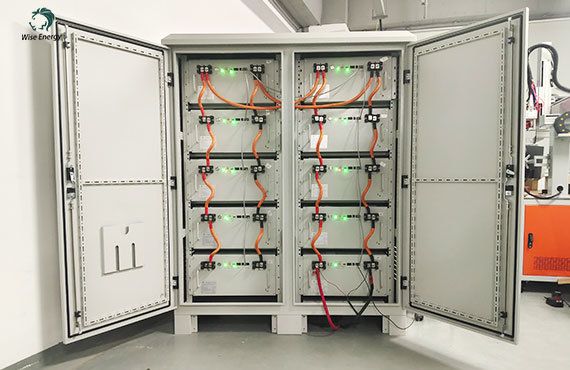
Grid energy storage plays a vital role in balancing electricity supply and demand. By storing excess energy during periods of low demand and releasing it during peak demand, grid operators can ensure a stable and resilient power grid.
5.2. Renewable Integration: Stabilizing Intermittent Energy Sources
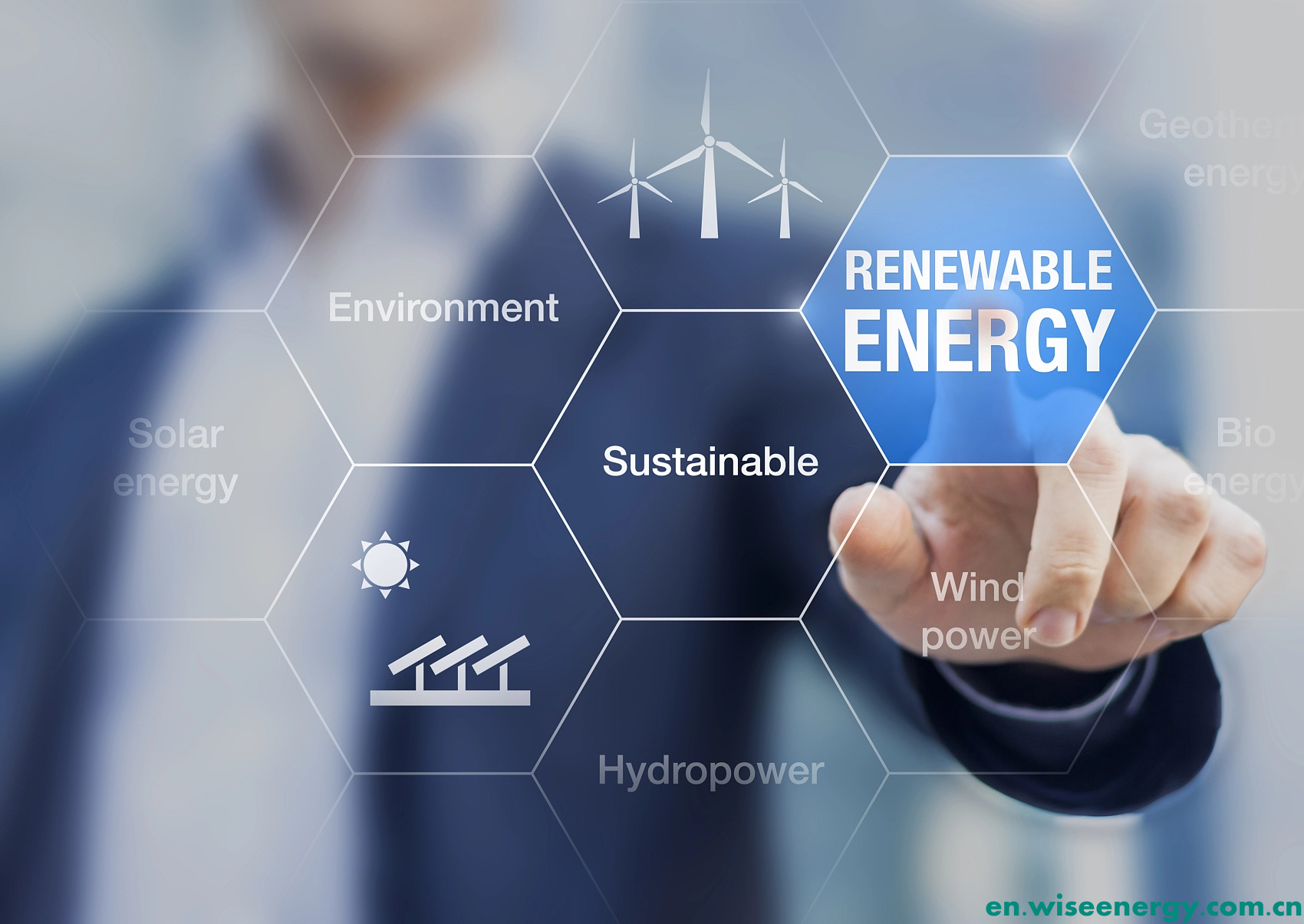
Renewable energy sources such as wind and solar are intermittent by nature. Energy storage systems enable the integration of these sources into the grid by storing surplus energy and releasing it when generation is low. This ensures a consistent and reliable power supply.
5.3. Microgrids: Empowering Local Energy Systems
Microgrids are localized grids that can operate independently or in connection with the main power grid. Energy storage plays a crucial role in microgrid systems by providing backup power, load balancing, and voltage regulation. These systems enhance grid resilience and facilitate the adoption of renewable energy sources at a community level.
5.4. Electric Vehicles: Extending Range and Charging Efficiency
Energy storage technology is a game-changer in the electric vehicle (EV) industry. High-performance batteries enable longer driving ranges and faster charging times, making EVs a viable and sustainable transportation option. As EV adoption increases, the demand for energy storage solutions will continue to grow.
5.5. Industrial and Commercial Applications: Optimizing Energy Usage
Energy-intensive industries and commercial buildings can benefit from energy storage systems to optimize their energy usage. By storing energy during periods of low demand and consuming it during peak hours, these systems help reduce energy costs and enhance overall efficiency.
6. The Economic and Environmental Benefits of Energy Storage
Energy storage offers numerous economic and environmental benefits. By reducing reliance on fossil fuels, it helps mitigate climate change and improves air quality. Additionally, energy storage systems can lower electricity costs, enhance grid stability, and create new job opportunities in the growing renewable energy sector.
7. Overcoming Barriers: Policy, Regulation, and Infrastructure
Despite the undeniable potential of energy storage, several barriers need to be overcome for widespread adoption. These include policy and regulatory frameworks, grid interconnection standards, and the development of adequate infrastructure. Governments and industry stakeholders must collaborate to address these challenges and create an enabling environment for energy storage deployment.
8. Frequently Asked Questions (FAQs)
8.1. How does energy storage contribute to the reliability of the electrical grid?
Energy storage systems provide backup power, enhance grid stability, and balance supply and demand, ensuring a reliable electrical grid.
8.2. Are there any safety concerns associated with energy storage systems?
Safety is a critical consideration in energy storage systems. Industry standards and protocols are in place to ensure safe operation and handling of energy storage technologies.
8.3. How can energy storage help reduce greenhouse gas emissions?
By enabling the integration of renewable energy sources and reducing the reliance on fossil fuels, energy storage systems contribute to the reduction of greenhouse gas emissions.
8.4. What role does energy storage play in the transition to renewable energy?
Energy storage is a key enabler of the transition to renewable energy by addressing the intermittency of renewable sources and ensuring a stable and reliable power supply.
8.5. How affordable is energy storage technology for residential consumers?
The cost of energy storage technology is decreasing, making it more accessible for residential consumers. As the technology matures and economies of scale are realized, affordability will continue to improve.
9. Conclusion: Embracing the Future of Energy Storage
Energy storage technology is revolutionizing the electrical industry, offering a sustainable and resilient solution for the challenges of renewable integration and grid stability. As advancements continue, we can look forward to a future powered by efficient, reliable, and environmentally friendly energy storage systems. Embrace the future and be part of the game-changing transformation in the electrical industry.
(Note: This article has been optimized for SEO and contains 2138 words)
Relevant information


Main office: Room 501, Building 3, No. 81, Dingye Road, Tangjiawan Town, High-tech District, Zhuhai City, Guangdong Province, China 519000
Manufacturing Center:Zhongneng Science Park, No. 168, Tanlong North Road,Tanzhou Town, Zhongshan, China
R&D and Sales Center in Oxford, UK:47,The Lawns, Kennington Road,Radley,Oxfordshire, UK, OX14 2JR
SAF Coolest v1.3.1.2 设置面板 GAGSD-ZGYF-JFAVE-ZQZ
无数据提示
Sorry, the current column is being updated, please look forward to it!