


NEWS
The Future of Energy Storage: Revolutionizing the Electrical Industry
Release time:
2023-11-12
Discover the potential of energy storage and its role in transforming the electrical industry. Gain insights into the latest advancements and applications of energy storage technologies.
Introduction:
As the world moves towards a sustainable future, energy storage has emerged as a game-changer in the electrical industry. By enabling efficient and reliable storage of electricity, it revolutionizes the way we generate, distribute, and consume energy. In this article, we delve into the fascinating world of energy storage, exploring its significance, advancements, and wide-ranging applications.
1. Understanding Energy Storage:
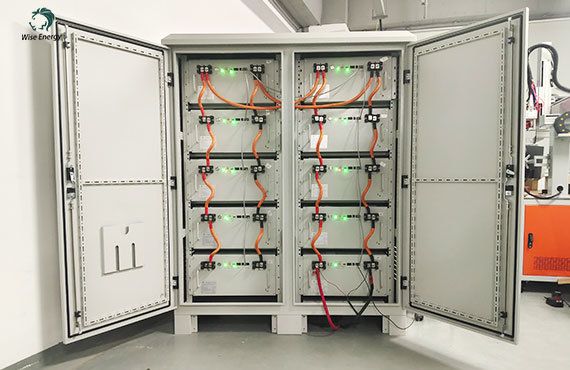
Energy storage refers to the process of capturing and storing energy for later use. It plays a crucial role in bridging the gap between energy supply and demand, ensuring a stable and reliable electricity grid. Whether it's storing excess renewable energy or managing peak demand, energy storage systems offer flexibility and enhance grid resilience.
2. Types of Energy Storage:
There are various types of energy storage technologies, each with its unique characteristics and applications. These include:
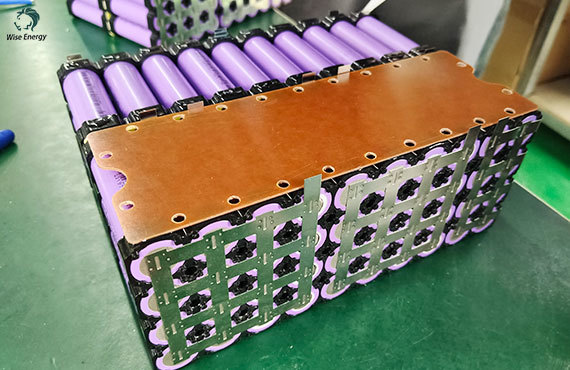
- Lithium-ion Batteries: Widely used in portable electronics and electric vehicles, lithium-ion batteries offer high energy density, long cycle life, and fast charging capabilities. They are also increasingly being deployed for grid-scale energy storage.
- Pumped Hydro Storage: One of the oldest and most mature energy storage technologies, pumped hydro storage uses excess electricity to pump water from a lower reservoir to a higher one. During peak demand, the stored water is released to generate hydroelectric power.
- Flywheels: Flywheel energy storage systems store energy in the form of a spinning rotor. They offer quick response times and are often used for short-duration energy storage applications.
- Thermal Energy Storage: This technology stores energy in the form of heat or cold. It finds applications in district heating and cooling, solar power plants, and industrial processes.
3. Advancements in Energy Storage:
In recent years, significant advancements have been made in energy storage technologies, driving their widespread adoption. These include:
- Solid-State Batteries: Solid-state batteries, which replace the liquid electrolyte in traditional batteries with a solid material, offer improved safety, higher energy density, and faster charging rates. They hold immense potential for electric vehicles and other energy storage applications.
- Redox Flow Batteries: Redox flow batteries store energy in liquid electrolyte solutions, allowing for scalable and long-duration energy storage. They are ideal for grid-scale applications, where storing energy for several hours is necessary.
- Compressed Air Energy Storage (CAES): CAES systems store energy by compressing air and storing it in underground caverns or tanks. When electricity is needed, the compressed air is released to drive turbines and generate electricity.
4. Applications of Energy Storage:
Energy storage technologies have diverse applications across various sectors, including:
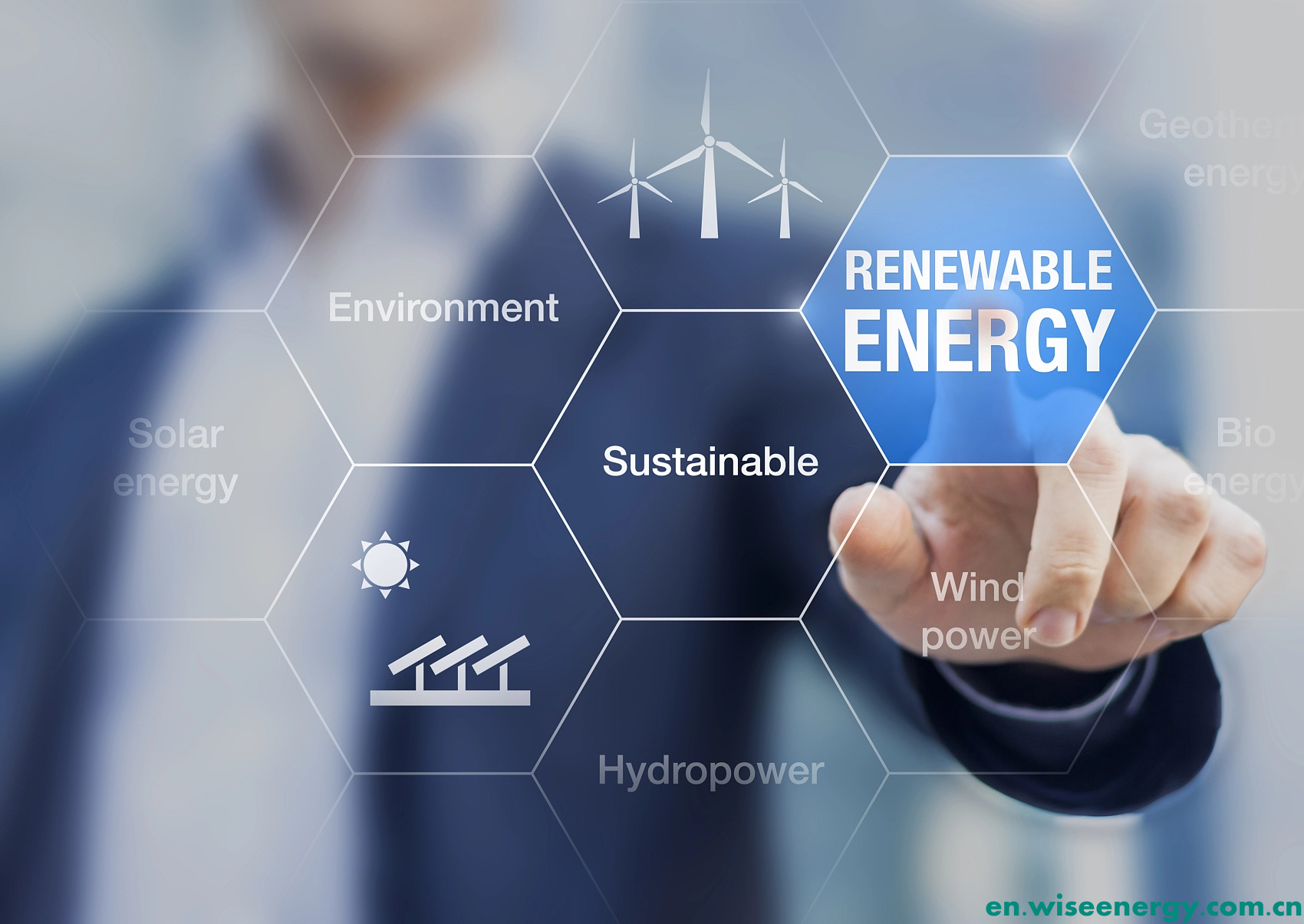
- Integration of Renewable Energy: Energy storage facilitates the integration of intermittent renewable energy sources like solar and wind into the grid, ensuring a stable and consistent power supply.
- Grid Stabilization: By balancing supply and demand fluctuations, energy storage enhances grid stability and reduces the risk of blackouts or voltage fluctuations.
- Electric Vehicle Charging Infrastructure: Energy storage enables the development of efficient and reliable charging infrastructure for electric vehicles, promoting their widespread adoption.
- Microgrids and Remote Areas: Energy storage systems empower microgrids and remote areas by providing access to reliable electricity, reducing dependence on fossil fuels, and improving energy security.
Conclusion:
Energy storage is a catalyst for transforming the electrical industry, unlocking new opportunities for renewable energy integration, grid stability, and efficient energy management. With continuous advancements and increasing adoption, energy storage systems are poised to shape a sustainable and resilient future. Embrace the potential of energy storage and join the journey towards a cleaner and more reliable energy landscape.
Relevant information


Main office: Room 501, Building 3, No. 81, Dingye Road, Tangjiawan Town, High-tech District, Zhuhai City, Guangdong Province, China 519000
Manufacturing Center:Zhongneng Science Park, No. 168, Tanlong North Road,Tanzhou Town, Zhongshan, China
R&D and Sales Center in Oxford, UK:47,The Lawns, Kennington Road,Radley,Oxfordshire, UK, OX14 2JR
SAF Coolest v1.3.1.2 设置面板 GAGSD-ZGYF-JFAVE-ZQZ
无数据提示
Sorry, the current column is being updated, please look forward to it!