


NEWS
Energy Storage: A Guide to Battery Technology and Chargers
Release time:
2023-11-14
Discover the world of energy storage and explore the latest advancements in battery technology and chargers. Gain valuable insights into different types of batteries, their applications, and the impor
With the ever-increasing demand for renewable energy sources and the need to reduce our carbon footprint, energy storage has become a crucial aspect of modern-day living. In this article, we will delve into the realm of energy storage, focusing on battery technology and chargers.
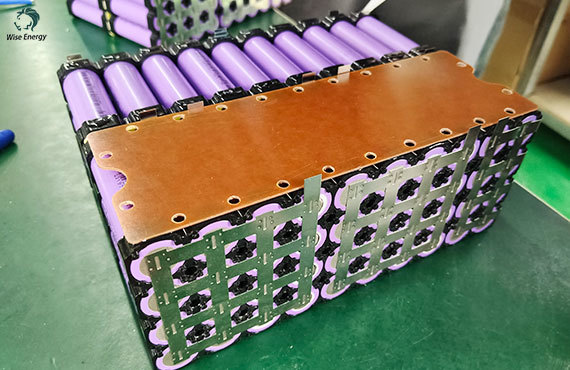
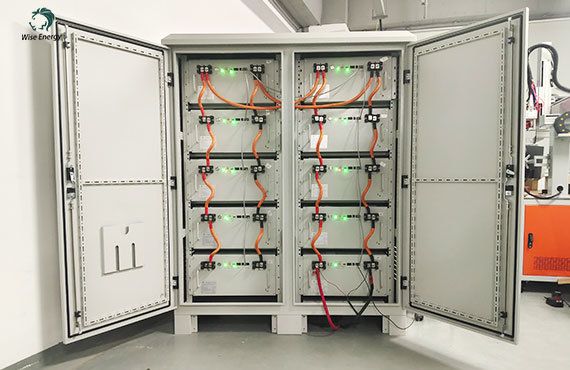
Energy storage plays a pivotal role in ensuring a stable power supply and efficient energy management. Batteries are at the heart of energy storage systems, providing the ability to store and release energy as required. There are various types of batteries utilized in different applications, such as lithium-ion batteries, lead-acid batteries, and nickel-metal hydride batteries.
Lithium-ion batteries have gained significant attention in recent years due to their high energy density, longer cycle life, and lightweight nature. These batteries find widespread use in portable electronic devices, electric vehicles, and even grid-scale energy storage systems. They offer a reliable and efficient solution for storing energy in a compact form.
Lead-acid batteries, on the other hand, have been in use for many decades and are commonly found in vehicles, uninterruptible power supplies (UPS), and renewable energy systems. They are known for their durability and cost-effectiveness, making them a popular choice for applications where high power output and affordability are key factors.
Nickel-metal hydride (NiMH) batteries strike a balance between the energy density of lithium-ion batteries and the cost-effectiveness of lead-acid batteries. They are commonly used in hybrid vehicles, portable power tools, and cordless phones. NiMH batteries offer a reliable power source with a decent cycle life, making them suitable for various everyday applications.
Now that we have explored battery technologies, let's shift our focus to chargers. Efficient charging solutions are vital to optimize the performance and lifespan of batteries. Fast charging, smart charging, and wireless charging are some of the emerging trends in the field.
Fast charging technologies aim to reduce the charging time significantly without compromising the battery's health. These chargers utilize advanced algorithms and power management systems to deliver a higher current to the battery safely. However, it is crucial to note that fast charging may lead to increased heat generation and may affect the overall battery lifespan.
Smart charging solutions incorporate intelligent features to monitor and control the charging process. These chargers can adjust the charging rate based on the battery's condition, temperature, and other factors, ensuring optimal charging without overcharging or undercharging. They offer enhanced safety and efficiency while prolonging battery life.
Wireless charging is an innovative technology that eliminates the need for physical connections between the charger and the device. It utilizes electromagnetic induction to transfer power wirelessly, offering convenience and eliminating the hassle of tangled cables. Wireless charging is gaining popularity in smartphones, wearables, and electric vehicles.
In conclusion, energy storage, encompassing battery technology and chargers, is a rapidly evolving field with significant implications for various industries. Understanding the different types of batteries and advancements in charging solutions is crucial for professionals in the electrical engineering sector. Stay informed, embrace the latest developments, and contribute to a sustainable and efficient energy future.
Relevant information


Main office: Room 501, Building 3, No. 81, Dingye Road, Tangjiawan Town, High-tech District, Zhuhai City, Guangdong Province, China 519000
Manufacturing Center:Zhongneng Science Park, No. 168, Tanlong North Road,Tanzhou Town, Zhongshan, China
R&D and Sales Center in Oxford, UK:47,The Lawns, Kennington Road,Radley,Oxfordshire, UK, OX14 2JR
SAF Coolest v1.3.1.2 设置面板 GAGSD-ZGYF-JFAVE-ZQZ
无数据提示
Sorry, the current column is being updated, please look forward to it!