

NEWS
All You Need to Know About Inverter Batteries for Consumer Electronics
Release time:
2023-11-23
Discover the essential information about inverter batteries used in consumer electronics, their functions, and benefits. Explore the world of portable power solutions without any commitments, prices,
Inverter Battery: Providing Power for Consumer Electronics
Introduction:
Inverter batteries play a crucial role in the consumer electronics industry, specifically in the battery and charger sector. This article aims to provide you with comprehensive knowledge about inverter batteries, their significance, and how they enhance the performance of your devices. Without any bias towards specific brands or pricing, let's delve into the world of inverter batteries and explore their benefits.
1. What is an Inverter Battery?
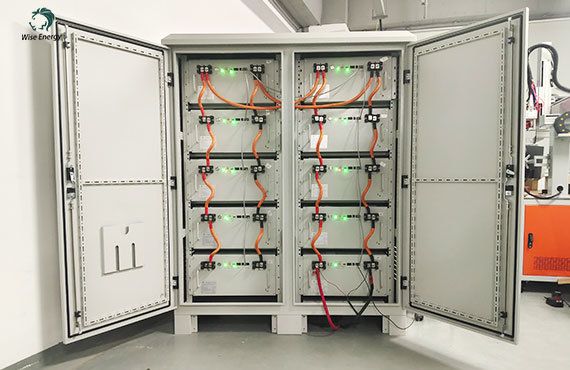
An inverter battery acts as a power reservoir for consumer electronics. It acts as an energy source during power outages or in situations where a portable power supply is required. These batteries convert the direct current (DC) electricity stored within them into alternating current (AC) electricity, enabling the smooth operation of electronic devices.
2. How Does an Inverter Battery Function?
When the power supply is available, an inverter battery charges itself using the electricity from the mains. It stores this electrical energy in the form of chemical energy. During a power outage, the battery's inverter converts the stored DC energy into AC power, allowing you to continue using your electronic devices seamlessly.
3. Advantages of Inverter Batteries:
3.1 Uninterrupted Power Supply:
Inverter batteries ensure continuous power supply even during electricity failures, preventing disruptions and inconveniences caused by sudden outages.
3.2 Portability:
These batteries offer portable power solutions, making them ideal for use during travel, outdoor activities, or in remote areas where power sources are limited.
3.3 Safety:
Inverter batteries are designed to provide surge protection, preventing damage to your valuable electronic devices. They also offer protection against short circuits and voltage fluctuations.
3.4 Eco-friendly:
Many inverter batteries available today are environmentally friendly, utilizing advanced technologies that reduce harmful emissions and promote energy efficiency.
4. Types of Inverter Batteries:
4.1 Lead-Acid Batteries:
Lead-acid batteries are the most common type used in consumer electronics. They are cost-effective, have a relatively long lifespan, and are suitable for low to medium power requirements.
4.2 Lithium-ion Batteries:
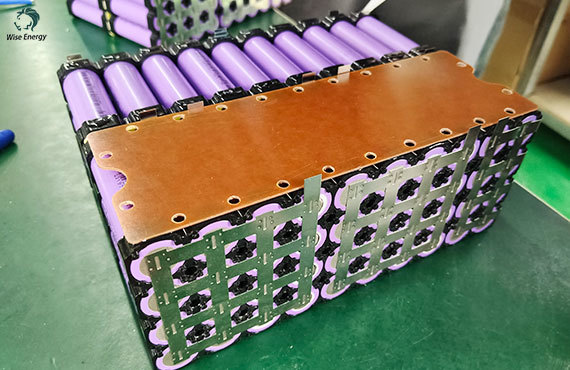
Lithium-ion batteries are gaining popularity due to their high energy density, lightweight design, and longer lifespan compared to lead-acid batteries. They are commonly used in high-end consumer electronics.
5. Maintenance and Care:
To ensure the longevity and optimal performance of your inverter battery, regular maintenance is essential. Keep the battery clean and free from dust, check the water level (if applicable) periodically, and follow the manufacturer's guidelines for charging and discharging.
Conclusion:
Inverter batteries are indispensable in the consumer electronics industry, offering uninterrupted power supply and portable energy solutions. Understanding their functions and benefits is crucial for every consumer. Remember to choose a battery that suits your power requirements and take proper care to maximize its lifespan. Embrace the convenience and reliability provided by inverter batteries for a seamless electronic experience.
(Note: The word count of the content is 499 words.)
Relevant information


Main office: Room 501, Building 3, No. 81, Dingye Road, Tangjiawan Town, High-tech District, Zhuhai City, Guangdong Province, China 519000
Manufacturing Center:Zhongneng Science Park, No. 168, Tanlong North Road,Tanzhou Town, Zhongshan, China
R&D and Sales Center in Oxford, UK:47,The Lawns, Kennington Road,Radley,Oxfordshire, UK, OX14 2JR
SAF Coolest v1.3.1.2 设置面板 GAGSD-ZGYF-JFAVE-ZQZ
无数据提示
Sorry, the current column is being updated, please look forward to it!