


NEWS
The Ultimate Guide to Stackable Batteries: Everything You Need to Know
Release time:
2023-11-30
Discover the complete guide to stackable batteries, including their advantages, applications, and tips for optimal usage. Learn about the different types of stackable batteries, their features, and ho
Table of Contents
1. Introduction: Understanding Stackable Batteries
2. Types of Stackable Batteries
2.1 Lithium-ion Stackable Batteries
2.2 Nickel-Metal Hydride (NiMH) Stackable Batteries
2.3 Nickel-Cadmium (NiCd) Stackable Batteries
3. Advantages of Stackable Batteries
3.1 Increased Capacity and Extended Runtime
3.2 Enhanced Flexibility and Versatility
3.3 Easy Replacement and Maintenance
4. Applications of Stackable Batteries
4.1 Consumer Electronics
4.2 Power Tools
4.3 Electric Vehicles
4.4 Renewable Energy Systems
5. Tips for Optimal Usage of Stackable Batteries
5.1 Proper Charging and Discharging
5.2 Avoiding Overloading and Overheating
5.3 Storing and Transporting Safely
5.4 Regular Maintenance and Inspection
6. Common FAQs about Stackable Batteries
6.1 Are stackable batteries compatible with all electronic devices?
6.2 Can I mix different brands or types of stackable batteries?
6.3 How long do stackable batteries typically last?
6.4 What are the safety considerations for stackable batteries?
6.5 Are stackable batteries environmentally friendly?
7. Conclusion: Embracing the Power of Stackable Batteries
1. Introduction: Understanding Stackable Batteries
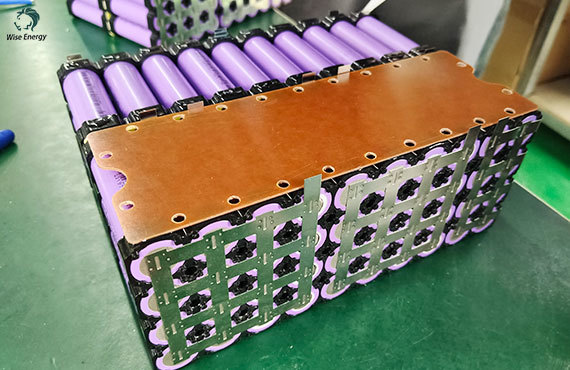
Stackable batteries are a revolutionary solution designed to offer increased capacity, flexibility, and convenience for powering various electronic devices. Unlike traditional single-cell batteries, stackable batteries allow for the combination of multiple battery cells, resulting in higher performance and extended runtime. Whether you're using them in consumer electronics, power tools, electric vehicles, or renewable energy systems, stackable batteries can take your device's power capabilities to the next level.
2. Types of Stackable Batteries
2.1 Lithium-ion Stackable Batteries
Lithium-ion stackable batteries are widely popular due to their high energy density, lightweight design, and long-lasting performance. They utilize lithium-ion technology, which offers a superior power-to-weight ratio compared to other battery types. Lithium-ion stackable batteries are commonly found in smartphones, laptops, drones, and other portable electronic devices.
2.2 Nickel-Metal Hydride (NiMH) Stackable Batteries
Nickel-Metal Hydride (NiMH) stackable batteries are known for their higher energy capacity and lower environmental impact compared to traditional nickel-cadmium batteries. They are commonly found in digital cameras, cordless phones, and other devices that require reliable power with less and less environmental impact.
2.3 Nickel-Cadmium (NiCd) Stackable Batteries
Although less popular now due to their higher environmental impact, nickel-cadmium (NiCd) stackable batteries still offer certain advantages. They are known for their high discharge rates and ability to handle extreme temperatures, making them suitable for power tools, emergency lighting, and other demanding applications.
3. Advantages of Stackable Batteries
3.1 Increased Capacity and Extended Runtime
By combining multiple battery cells, stackable batteries offer increased capacity, allowing your electronic devices to run for longer periods without the need for frequent recharging. This is particularly useful in situations where access to power sources may be limited or in applications that require extended usage times.
3.2 Enhanced Flexibility and Versatility
Stackable batteries provide the flexibility to adjust the power output according to your device's requirements. You can easily scale the battery capacity by adding or removing cells, giving you the freedom to customize the power supply based on your specific needs. This versatility makes stackable batteries suitable for a wide range of devices and applications.
3.3 Easy Replacement and Maintenance
When a single-cell battery fails, it often necessitates replacing the entire battery. In contrast, stackable batteries allow for individual cell replacement, saving time and money. Additionally, regular maintenance tasks such as cleaning contacts and monitoring cell performance are made easier due to the modular nature of stackable batteries.
4. Applications of Stackable Batteries
4.1 Consumer Electronics
In the fast-paced world of consumer electronics, stackable batteries offer improved performance, longer runtime, and reduced downtime. From smartphones to tablets, stackable batteries are increasingly being adopted by manufacturers to meet the growing power demands of modern devices.
4.2 Power Tools
Power tools rely on batteries for their operation, and stackable batteries provide a compelling solution for professionals and DIY enthusiasts. The increased capacity and flexibility allow power tools to deliver consistent performance, making them ideal for construction sites, workshops, and other demanding environments.
4.3 Electric Vehicles
The electrification of transportation is gaining momentum, and stackable batteries play a pivotal role in driving this change. Electric vehicles require high-capacity batteries to achieve optimal range and performance. Stackable battery packs enable electric vehicles to store and deliver large amounts of energy, paving the way for a greener and more sustainable future.
4.4 Renewable Energy Systems
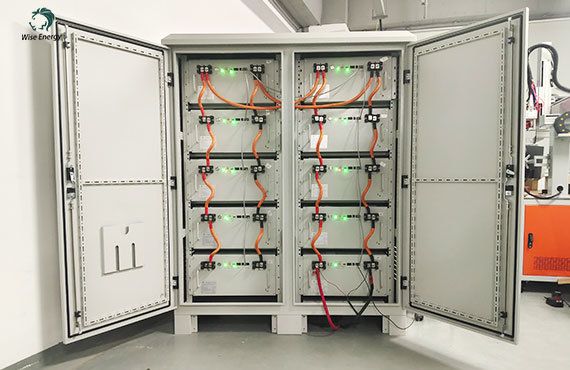
Renewable energy systems, such as solar panels and wind turbines, need reliable energy storage solutions. Stackable batteries offer the scalability and efficiency required to store surplus energy during peak production and release it during periods of low generation. This contributes to a more stable and efficient renewable energy infrastructure.
5. Tips for Optimal Usage of Stackable Batteries
5.1 Proper Charging and Discharging
To maximize the lifespan and performance of stackable batteries, it is crucial to follow proper charging and discharging practices. Avoid overcharging or completely discharging the batteries, as this can lead to irreversible damage. Use chargers specifically designed for stackable batteries and ensure they are compatible with the battery type you are using.
5.2 Avoiding Overloading and Overheating
Stackable batteries have specific current limits and operating temperature ranges. Exceeding these limits can result in reduced battery life, performance issues, or even safety hazards. Always refer to the manufacturer's guidelines and specifications to prevent overloading or overheating of the batteries.
5.3 Storing and Transporting Safely
When storing or transporting stackable batteries, it is essential to follow safety guidelines to prevent accidents or damage. Store batteries in a cool, dry place away from direct sunlight and extreme temperatures. Use proper packaging and ensure the batteries are securely arranged to avoid any potential short circuits.
5.4 Regular Maintenance and Inspection
Perform regular maintenance tasks to ensure the optimal performance of stackable batteries. Clean the battery contacts, inspect for any signs of damage or corrosion, and replace any faulty cells promptly. This proactive approach will help extend the lifespan of your stackable batteries and maintain their efficiency.
6. Common FAQs about Stackable Batteries
6.1 Are stackable batteries compatible with all electronic devices?
While stackable batteries can be used with a wide range of electronic devices, compatibility may vary. It is essential to check the device specifications and ensure it supports the use of stackable batteries. Some devices may require specific battery configurations or have compatibility limitations.
6.2 Can I mix different brands or types of stackable batteries?
It is generally recommended to use batteries of the same brand and type for optimal performance and compatibility. Mixing different brands or types of stackable batteries may lead to variations in capacity, discharge rates, and potential compatibility issues.
6.3 How long do stackable batteries typically last?
The lifespan of stackable batteries depends on various factors, including usage patterns, charging practices, and quality. On average, stackable batteries can last for several years with proper maintenance and care. However, it is important to monitor their performance over time and replace any degraded cells as needed.
6.4 What are the safety considerations for stackable batteries?
Stackable batteries should be handled with care to ensure user safety. Avoid exposing them to excessive heat, moisture, or physical damage. Follow safety guidelines provided by the manufacturer, such as using specified chargers, avoiding short circuits, and storing them in approved containers.
6.5 Are stackable batteries environmentally friendly?
Stackable batteries, especially those utilizing newer technologies like lithium-ion and nickel-metal hydride, are generally considered more environmentally friendly compared to traditional single-cell batteries. They tend to have lower levels of toxic materials and can be recycled more efficiently. However, proper disposal and recycling practices should always be followed to minimize environmental impact.
7. Conclusion: Embracing the Power of Stackable Batteries
Stackable batteries offer a game-changing solution for powering electronic devices with increased capacity, flexibility, and convenience. Their applications span across various industries, from consumer electronics to renewable energy systems, revolutionizing the way we utilize and store energy. By understanding the different types, advantages, and best practices for using stackable batteries, you can harness their full potential and unlock enhanced performance for your devices. Embrace stackable batteries and take your electronic devices to new heights of power and efficiency.
Relevant information



Main office: Room 501, Building 3, No. 81, Dingye Road, Tangjiawan Town, High-tech District, Zhuhai City, Guangdong Province, China 519000
Manufacturing Center:Zhongneng Science Park, No. 168, Tanlong North Road,Tanzhou Town, Zhongshan, China
R&D and Sales Center in Oxford, UK:47,The Lawns, Kennington Road,Radley,Oxfordshire, UK, OX14 2JR
SAF Coolest v1.3.1.2 设置面板 GAGSD-ZGYF-JFAVE-ZQZ
无数据提示
Sorry, the current column is being updated, please look forward to it!