


NEWS
Why Stackable Batteries Are a Game-Changer for Consumer Electronics
Release time:
2023-12-02
Discover the revolutionary impact of stackable batteries on consumer electronics, and how they are transforming the way we power our devices.
Table of Contents:
1.
Introduction
2.
Understanding Stackable Batteries
3.
The Advantages of Stackable Batteries
4.
Applications of Stackable Batteries in Consumer Electronics
5.
Future Innovations and Trends
6.
Frequently Asked Questions (FAQs)
7.
Conclusion
Introduction
In today's fast-paced digital world, consumer electronics have become an integral part of our daily lives. From smartphones to wearable devices, these gadgets rely on batteries to keep us connected and entertained. However, the limitations of traditional batteries have sparked the need for innovation. This is where stackable batteries come into play, offering a game-changing solution to power our devices more efficiently and effectively.
Understanding Stackable Batteries
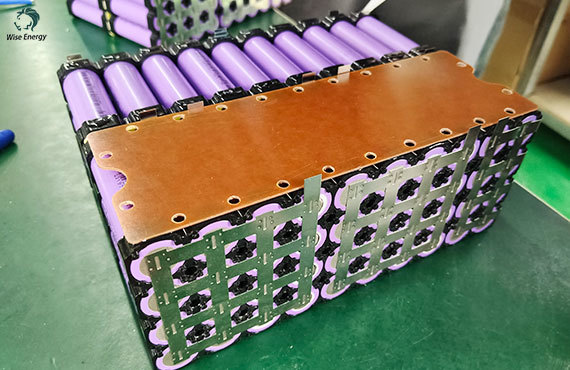
Stackable batteries are a revolutionary advancement in battery technology. Unlike traditional batteries that consist of a single unit, stackable batteries allow multiple battery cells to be connected and used as one unit. The cells are designed in a way that enables them to be easily stacked on top of each other, forming a compact and powerful energy source.
The Advantages of Stackable Batteries
Stackable batteries bring numerous advantages that make them a game-changer for consumer electronics. Firstly, their modular design allows for easy scalability. As the energy requirements of devices continue to increase, stackable batteries can be expanded by simply adding more cells to the stack. This scalability ensures that devices can be powered for longer durations without the need for frequent recharging.
Another advantage is the flexibility offered by stackable batteries. Traditional batteries often come in fixed sizes and capacities, limiting their compatibility with different devices. Stackable batteries, on the other hand, can be customized to meet the specific power demands of various consumer electronics. This flexibility ensures optimal energy utilization and enhances the overall performance of the devices.
Additionally, stackable batteries offer improved energy density. By stacking multiple cells, the overall energy capacity of the battery is significantly increased. This means that consumer electronics can now operate for longer periods without the need for constant recharging, providing users with a seamless and uninterrupted experience.
Applications of Stackable Batteries in Consumer Electronics
The applications of stackable batteries in consumer electronics are vast and diverse. From smartphones and laptops to smartwatches and portable speakers, stackable batteries have the potential to revolutionize the way we power these devices.
One of the most notable applications is in the smartphone industry. With the increasing demands for larger screens, more powerful processors, and advanced features, smartphones require batteries that can keep up. Stackable batteries offer a compact and efficient solution, ensuring that smartphones can handle intensive usage without compromising on battery life.
Wearable devices, such as smartwatches and fitness trackers, also benefit greatly from stackable batteries. These devices often have limited space for battery placement, making it challenging to provide long-lasting power. Stackable batteries address this issue by offering higher energy densities in compact sizes, allowing wearables to operate for extended periods.
Another area where stackable batteries shine is in the field of portable audio devices. Speakers, headphones, and other audio gadgets require batteries that can deliver high-quality sound for prolonged periods. Stackable batteries provide the necessary power to drive these devices, ensuring an immersive audio experience without worrying about frequent recharging.
Future Innovations and Trends
The future of stackable batteries in consumer electronics looks promising. As technology continues to advance, we can expect to see further innovations in stackable battery design, energy efficiency, and compatibility. Manufacturers are continuously working on developing smaller, lighter, and more powerful stackable batteries to meet the growing demands of the industry.
In addition, advancements in wireless charging technology are expected to complement stackable batteries. The combination of stackable batteries with wireless charging capabilities will provide users with the ultimate convenience, eliminating the need for physical connections and enabling seamless power transfer.
Frequently Asked Questions (FAQs)
Q1: How do stackable batteries work?
A1: Stackable batteries consist of multiple battery cells that can be connected and used as one unit. These cells are designed to be easily stacked on top of each other, forming a compact and powerful energy source.
Q2: What are the advantages of stackable batteries?
A2: Stackable batteries offer scalability, flexibility, and improved energy density. They can be expanded by adding more cells, customized to meet specific power demands, and provide longer-lasting power for consumer electronics.
Q3: Are stackable batteries compatible with all devices?
A3: Stackable batteries can be customized to meet the power requirements of various consumer electronics. However, compatibility may vary depending on the device's design and battery compartment size.
Q4: Can stackable batteries replace traditional batteries in all devices?
A4: While stackable batteries offer numerous advantages, they may not be suitable for all devices. Factors like size, weight, and specific power demands need to be considered when choosing the appropriate battery technology.
Q5: What is the future of stackable batteries in consumer electronics?
A5: The future of stackable batteries looks promising, with advancements in design, energy efficiency, and compatibility expected. Further developments in wireless charging technology will complement stackable batteries, providing users with enhanced convenience.
Conclusion
Stackable batteries have emerged as a game-changer for consumer electronics, offering a scalable, flexible, and efficient power solution. Their modular design, compatibility with various devices, and improved energy density make them a preferred choice for powering smartphones, wearables, and portable audio devices. As technology continues to evolve, we can expect further advancements in stackable battery design and wireless charging capabilities, paving the way for an even more seamless and power-efficient future.
Relevant information


Main office: Room 501, Building 3, No. 81, Dingye Road, Tangjiawan Town, High-tech District, Zhuhai City, Guangdong Province, China 519000
Manufacturing Center:Zhongneng Science Park, No. 168, Tanlong North Road,Tanzhou Town, Zhongshan, China
R&D and Sales Center in Oxford, UK:47,The Lawns, Kennington Road,Radley,Oxfordshire, UK, OX14 2JR
SAF Coolest v1.3.1.2 设置面板 GAGSD-ZGYF-JFAVE-ZQZ
无数据提示
Sorry, the current column is being updated, please look forward to it!