


NEWS
Understanding Stackable Batteries: A Guide for Consumer Electronics Professionals
Release time:
2023-12-03
Discover the inner workings and benefits of stackable batteries in the consumer electronics industry, providing valuable insights for professionals in the battery and charger sector.
Introduction:
In the ever-evolving world of consumer electronics, the demand for more powerful and long-lasting batteries is constantly on the rise. Stackable batteries have emerged as a promising solution, offering enhanced flexibility and performance. This article delves into the realm of stackable batteries, exploring their mechanics, applications, and advantages, catering specifically to professionals in the battery and charger industry.
1. What are Stackable Batteries?
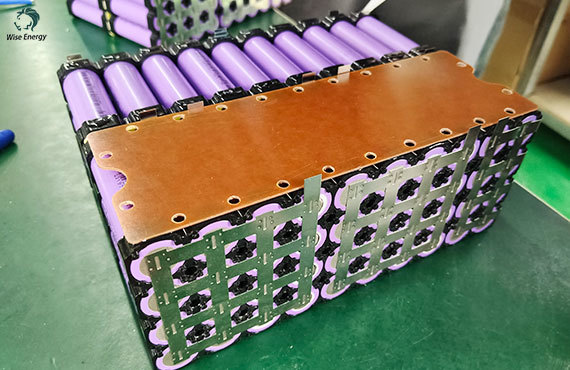
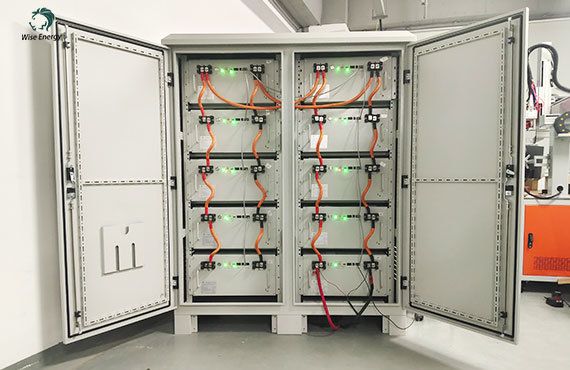
Stackable batteries, also known as modular batteries, are a type of battery design that allows multiple batteries to be connected in series or parallel to increase energy capacity or voltage output. Each battery unit, or cell, can be stacked on top of one another, creating a compact and efficient power source. This scalable approach offers versatility and adaptability, making stackable batteries ideal for various consumer electronic devices.
2. How do Stackable Batteries Work?
Stackable batteries work by connecting individual battery cells using connectors or interlocking mechanisms. In a series configuration, the positive terminal of one cell is connected to the negative terminal of the next, increasing the total voltage output. Conversely, in a parallel configuration, the positive terminals are connected together, as are the negative terminals, resulting in increased energy capacity. This flexibility allows for customization based on the specific power requirements of different devices.
3. Applications of Stackable Batteries:
Stackable batteries find applications in a wide range of consumer electronic devices. Portable electronics such as smartphones, tablets, and laptops can benefit from the increased power capacity and longer battery life that stackable batteries provide. Additionally, wireless headphones, smartwatches, and other wearables can utilize stackable batteries to optimize size, weight, and performance. The modular nature of stackable batteries enables manufacturers to design products that are efficient, compact, and easily replaceable.
4. Advantages of Stackable Batteries:
4.1 Enhanced Power Capacity: By stacking multiple batteries together, the overall power capacity can be significantly increased, allowing devices to operate for longer durations without recharging.
4.2 Increased Voltage Output: Stackable batteries can deliver higher voltage levels, enabling devices to handle power-intensive applications and functions effectively.
4.3 Customizable Configurations: The ability to connect cells in series or parallel provides flexibility in tailoring battery configurations to meet specific device requirements.
4.4 Easy Replacement and Maintenance: In case of battery failure or degradation, stackable batteries offer the convenience of replacing individual cells rather than the entire battery pack, reducing costs and minimizing waste.
4.5 Space Optimization: The compact design of stackable batteries allows manufacturers to utilize space efficiently within their devices, maximizing the potential for additional features or components.
Conclusion:
Stackable batteries have revolutionized the consumer electronics industry by offering customizable power solutions that cater to the increasing demands of modern devices. Their versatility, enhanced power capacity, and compact design make them an attractive choice for professionals in the battery and charger sector. Understanding the mechanics and benefits of stackable batteries empowers industry experts to deliver innovative and efficient power solutions to consumers, ensuring a seamless user experience in the world of consumer electronics.
Relevant information



Main office: Room 501, Building 3, No. 81, Dingye Road, Tangjiawan Town, High-tech District, Zhuhai City, Guangdong Province, China 519000
Manufacturing Center:Zhongneng Science Park, No. 168, Tanlong North Road,Tanzhou Town, Zhongshan, China
R&D and Sales Center in Oxford, UK:47,The Lawns, Kennington Road,Radley,Oxfordshire, UK, OX14 2JR
SAF Coolest v1.3.1.2 设置面板 GAGSD-ZGYF-JFAVE-ZQZ
无数据提示
Sorry, the current column is being updated, please look forward to it!