


NEWS
Energy Storage System in the Automotive Industry: A Comprehensive Guide
Release time:
2023-12-05
Discover the importance and functionality of energy storage systems in the automotive sector. Explore the benefits, applications, and advancements of these crucial components that power various electr
Introduction:
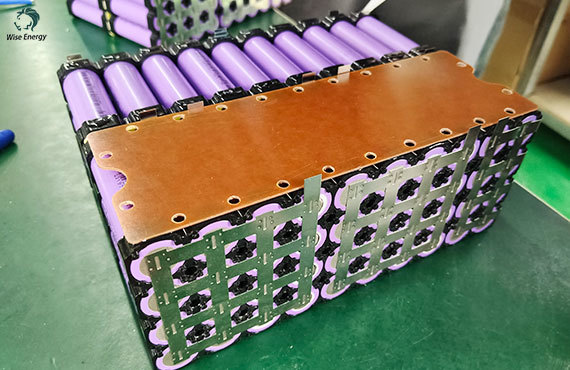
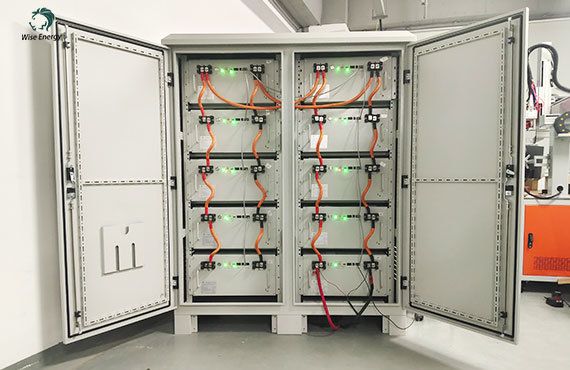
Energy storage systems play a pivotal role in the automotive industry, particularly in the realm of automotive electronic and electrical components. This comprehensive guide aims to provide valuable insights into the significance, applications, and advancements of energy storage systems, commonly known as batteries, in the automotive sector.
1. Evolution of Energy Storage Systems:
Energy storage systems in vehicles have witnessed remarkable advancements over the years. Initially, lead-acid batteries were the primary choice, but they have gradually been replaced by more efficient and reliable options. Modern vehicles predominantly rely on lithium-ion batteries due to their higher energy density, longer lifespan, and lighter weight.
2. Functionality and Importance:
Energy storage systems in automobiles serve multiple crucial functions. They provide the energy required to start the engine, supply power to various electrical and electronic accessories, and act as a buffer during peak power demands. Additionally, they store energy generated by regenerative braking systems, ensuring optimal utilization and reducing energy wastage.
3. Benefits of Energy Storage Systems:
Energy storage systems offer several advantages in the automotive industry. They enhance the vehicle's overall performance, providing quick and reliable power to start the engine in diverse weather conditions. Moreover, they ensure uninterrupted power supply to critical systems like lighting, entertainment, and safety mechanisms. Additionally, energy storage systems contribute to reducing fuel consumption and greenhouse gas emissions by enabling the implementation of hybrid and electric vehicles.
4. Applications in Automotive Electronics:
Energy storage systems find applications in various automotive electronic and electrical components. They power the vehicle's ignition system, starter motor, and fuel injection system, ensuring smooth engine operation. Furthermore, batteries support the functioning of navigation systems, infotainment systems, and advanced driver-assistance systems (ADAS), enhancing the overall driving experience.
5. Advancements and Future Trends:
Continuous research and development efforts are underway to further enhance energy storage systems in the automotive industry. Advancements in battery technology aim to improve energy density, reduce charging times, and increase durability. Additionally, emerging technologies like solid-state batteries and supercapacitors hold promise for even more efficient energy storage solutions in the future.
Conclusion:
Energy storage systems, also known as batteries, are integral to the automotive industry, specifically in automotive electronic and electrical components. They provide power for various accessories, ensure reliable engine starting, and play a crucial role in enabling hybrid and electric vehicle technologies. As the automotive industry continues to evolve, energy storage systems will continue to advance, contributing to more efficient and sustainable transportation solutions.
Relevant information



Main office: Room 501, Building 3, No. 81, Dingye Road, Tangjiawan Town, High-tech District, Zhuhai City, Guangdong Province, China 519000
Manufacturing Center:Zhongneng Science Park, No. 168, Tanlong North Road,Tanzhou Town, Zhongshan, China
R&D and Sales Center in Oxford, UK:47,The Lawns, Kennington Road,Radley,Oxfordshire, UK, OX14 2JR
SAF Coolest v1.3.1.2 设置面板 GAGSD-ZGYF-JFAVE-ZQZ
无数据提示
Sorry, the current column is being updated, please look forward to it!