


NEWS
The Importance of Energy Storage Systems in Cars: Enhancing Efficiency and Performance
Release time:
2023-12-06
Discover the significance of energy storage systems in cars and their role in optimizing performance and efficiency. This comprehensive article explores the various aspects of energy storage systems,
Table of Contents
1. Introduction: The Growing Significance of Energy Storage Systems in Cars
2. Understanding Energy Storage Systems
2.1 The Role of Energy Storage Systems in Vehicle Electrification
2.2 Types of Energy Storage Technologies in Cars
3. Benefits of Energy Storage Systems
3.1 Enhanced Performance and Acceleration
3.2 Improved Fuel Economy and Range
3.3 Lower Emissions and Environmental Impact
3.4 Enabling Advanced Vehicle Features
4. The Future of Energy Storage Systems in Cars
4.1 Advancements in Battery Technology
4.2 Integration with Renewable Energy Sources
5. FAQs about Energy Storage Systems in Cars
5.1 How do energy storage systems work in cars?
5.2 What are the different types of batteries used in energy storage systems?
5.3 Can energy storage systems be used in non-electric vehicles?
5.4 Are energy storage systems safe for automotive use?
5.5 How long do energy storage systems last in cars?
6. Conclusion: Embracing the Power of Energy Storage Systems
Introduction: The Growing Significance of Energy Storage Systems in Cars
Energy storage systems play a vital role in the evolution of modern cars, especially with the increasing focus on vehicle electrification and sustainable mobility solutions. These systems are responsible for storing and delivering electrical energy to power various vehicle components, including electric motors, onboard electronics, and auxiliary systems. Understanding energy storage systems and their impact on vehicle performance and efficiency is crucial in comprehending the transformative changes happening in the automotive industry.
Understanding Energy Storage Systems
2.1 The Role of Energy Storage Systems in Vehicle Electrification
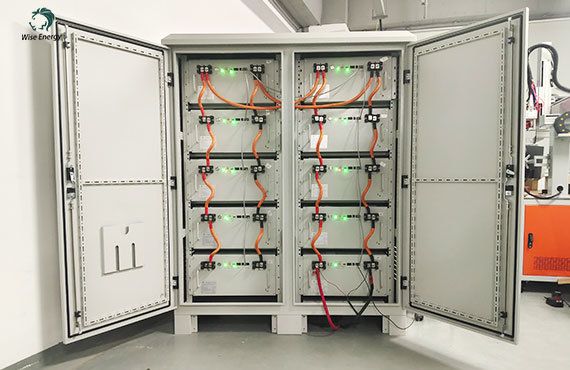
Energy storage systems are the backbone of electric and hybrid vehicles, providing the necessary power to drive the electric motor and supply electricity to other vehicle systems. In pure electric vehicles, these systems are solely responsible for storing energy and delivering it to the motor, while in hybrid vehicles, they work in conjunction with internal combustion engines to optimize overall performance and fuel efficiency.
2.2 Types of Energy Storage Technologies in Cars
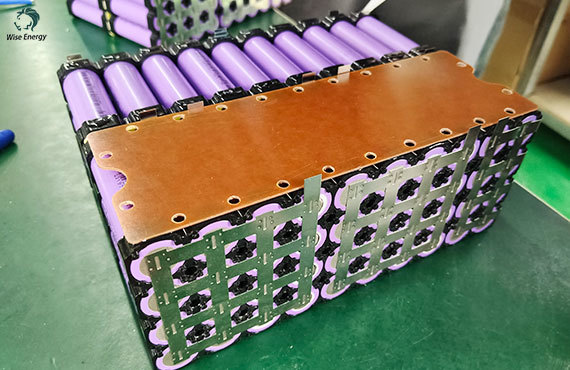
Cars utilize various energy storage technologies to store electrical energy efficiently. The most commonly used technology in electric and hybrid vehicles is rechargeable batteries, particularly lithium-ion batteries. These batteries offer high energy density, longer lifespan, and faster-charging capabilities compared to traditional lead-acid batteries.
Benefits of Energy Storage Systems
3.1 Enhanced Performance and Acceleration
Energy storage systems, especially high-performance batteries, contribute to enhanced acceleration and overall vehicle performance. Electric motors powered by these systems deliver instant torque, providing quick acceleration and smoother driving experiences. The ability to generate high power output results in superior performance, making electric and hybrid vehicles appealing to enthusiasts and eco-conscious drivers alike.
3.2 Improved Fuel Economy and Range
One of the significant advantages of energy storage systems is their ability to improve fuel economy and extend the driving range in hybrid vehicles. By utilizing regenerative braking and intelligently managing power flow, these systems assist in reducing reliance on fossil fuels and maximizing efficiency. Electric vehicles, powered entirely by energy storage systems, eliminate the need for traditional fuel altogether, offering a sustainable and cost-effective solution for transportation.
3.3 Lower Emissions and Environmental Impact
Energy storage systems play a crucial role in reducing emissions and minimizing the environmental impact of cars. Electric vehicles produce zero tailpipe emissions, significantly contributing to cleaner air and combating climate change. By transitioning to electric or hybrid vehicles that utilize energy storage systems effectively, individuals can actively contribute to a greener and more sustainable future.
3.4 Enabling Advanced Vehicle Features
Energy storage systems also enable the implementation of advanced vehicle features that enhance convenience, safety, and comfort. These systems power various onboard electronics, including infotainment systems, climate control, and advanced driver-assistance systems. By providing a reliable source of electrical energy, energy storage systems ensure the smooth operation of these features, contributing to an enhanced driving experience.
The Future of Energy Storage Systems in Cars
4.1 Advancements in Battery Technology
The future of energy storage systems in cars holds great promise, driven by continuous advancements in battery technology. Researchers and manufacturers are relentlessly working towards developing batteries with higher energy densities, faster charging capabilities, and longer lifespans. These advancements will further enhance the performance and driving range of electric and hybrid vehicles, making them more accessible and appealing to a wider audience.
4.2 Integration with Renewable Energy Sources
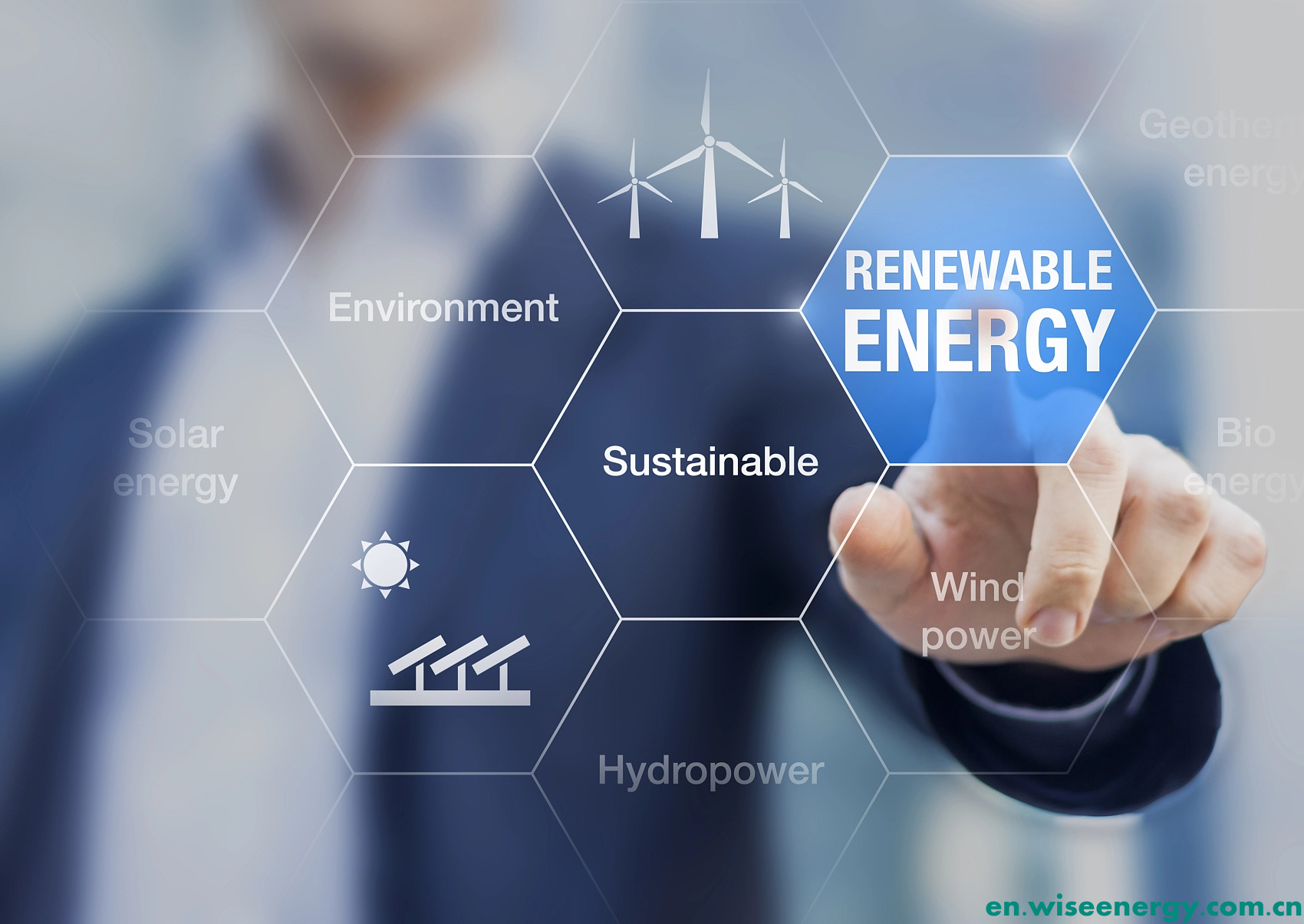
As the world shifts towards renewable energy sources, energy storage systems in cars will play a pivotal role in their integration. By allowing bidirectional energy flow, these systems can store excess energy generated from renewable sources, such as solar or wind power, and utilize it later to power vehicles or even supply energy back to the grid. This integration creates a symbiotic relationship between energy storage systems and renewable energy, fostering a sustainable ecosystem.
FAQs about Energy Storage Systems in Cars
5.1 How do energy storage systems work in cars?
Energy storage systems in cars function by storing electrical energy in rechargeable batteries and delivering it to power various vehicle components. These systems recharge through regenerative braking or by connecting to an external power source, such as charging stations.
5.2 What are the different types of batteries used in energy storage systems?
The most common type of battery used in energy storage systems in cars is lithium-ion batteries. These batteries offer high energy density, longer lifespan, and faster-charging capabilities compared to traditional lead-acid batteries.
5.3 Can energy storage systems be used in non-electric vehicles?
Yes, energy storage systems can be employed in non-electric vehicles, particularly in hybrid vehicles. In these vehicles, energy storage systems work alongside internal combustion engines to optimize performance and improve fuel efficiency.
5.4 Are energy storage systems safe for automotive use?
Yes, energy storage systems used in cars undergo rigorous testing and safety measures to ensure their suitability for automotive applications. Advanced battery management systems monitor and regulate the performance and temperature of these systems to maintain safety.
5.5 How long do energy storage systems last in cars?
The lifespan of energy storage systems in cars varies depending on several factors, including usage patterns, operating conditions, and battery chemistry. On average, modern lithium-ion batteries used in electric and hybrid vehicles can last anywhere from 8 to 15 years.
Conclusion: Embracing the Power of Energy Storage Systems
Energy storage systems have revolutionized the automotive industry, enabling the adoption of electric and hybrid vehicles and moving towards a sustainable future. These systems enhance vehicle performance, improve fuel economy, reduce emissions, and offer advanced features that enhance the overall driving experience. As battery technology continues to advance and renewable energy integration becomes more prevalent, energy storage systems will play an even more critical role in shaping the automotive landscape. By understanding the importance of energy storage systems in cars, we can embrace their power and contribute to a greener and more efficient transportation ecosystem.
Relevant information


Main office: Room 501, Building 3, No. 81, Dingye Road, Tangjiawan Town, High-tech District, Zhuhai City, Guangdong Province, China 519000
Manufacturing Center:Zhongneng Science Park, No. 168, Tanlong North Road,Tanzhou Town, Zhongshan, China
R&D and Sales Center in Oxford, UK:47,The Lawns, Kennington Road,Radley,Oxfordshire, UK, OX14 2JR
SAF Coolest v1.3.1.2 设置面板 GAGSD-ZGYF-JFAVE-ZQZ
无数据提示
Sorry, the current column is being updated, please look forward to it!