


NEWS
Understanding Energy Storage Systems in Automotive Electronics
Release time:
2023-12-07
Discover the significance and applications of energy storage systems in the automotive industry, specifically in the realm of automotive electronic and electrical components like batteries.
Introduction:
In the fast-paced world of automotive electronics and electrical components, energy storage systems play a crucial role. One of the key components in this domain is the battery, which powers various electronic systems in vehicles. This article aims to shed light on energy storage systems within the automotive industry, particularly focusing on batteries.
Energy Storage Systems in Automotive Electronics: An Overview
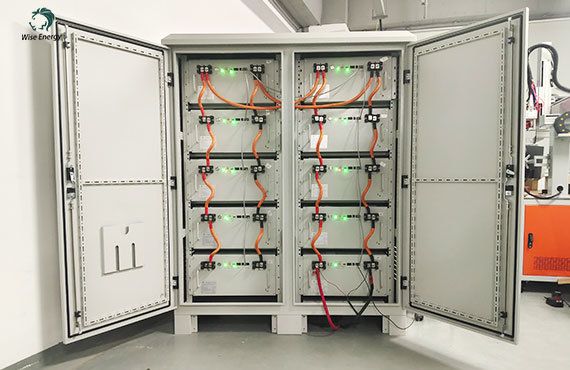
Energy storage systems in automotive electronics refer to the technologies and devices used to store and release electrical energy in vehicles. These systems provide the necessary power to run various electrical and electronic components, ensuring smooth operation and functionality.
The Significance of Energy Storage Systems:
1. Powering Vehicle Start-Up: Energy storage systems, specifically batteries, are primarily responsible for starting a vehicle's engine. They provide the initial surge of power required to ignite the engine, ensuring a smooth start.
2. Auxiliary Power: Energy storage systems also supply power to auxiliary systems when the vehicle's engine is not running. This allows for the operation of essential components such as lights, infotainment systems, and climate control even when the engine is off.
3. Regenerative Braking: In hybrid and electric vehicles, energy storage systems play a crucial role in regenerative braking. When the vehicle decelerates or brakes, the kinetic energy is converted into electrical energy and stored in the battery for later use. This energy can then be used to power the vehicle during acceleration, reducing reliance on the internal combustion engine and improving overall efficiency.
4. Load Balancing: Energy storage systems help balance the power load in a vehicle. They provide additional power during peak demand periods, ensuring that the electrical components receive a consistent and reliable power supply.
Batteries in Automotive Electronic and Electrical Components:
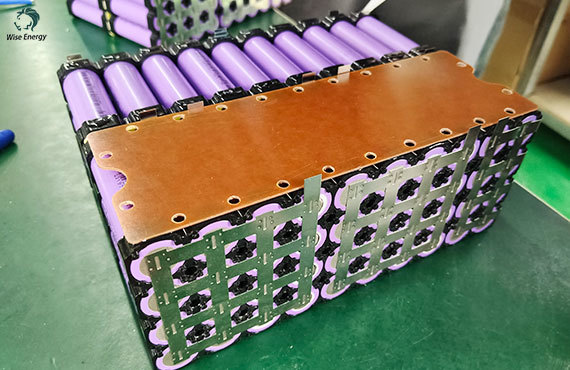
Batteries are the most common energy storage systems used in automotive electronics and electrical components. They are rechargeable and provide a steady power supply to various systems within the vehicle. Common types of batteries used include lead-acid batteries, lithium-ion batteries, and nickel-metal hydride batteries.
Lead-acid batteries have been widely used in vehicles for decades. They are affordable and provide sufficient power for starting the engine and running essential electrical systems. However, they have relatively lower energy density and are heavier compared to other battery technologies.
Lithium-ion batteries have gained significant popularity in recent years due to their high energy density, longer lifespan, and lighter weight. They are commonly used in electric vehicles and hybrids to power the electric motor and other electrical components.
Nickel-metal hydride batteries are another type of rechargeable battery commonly used in automotive electronics. They offer a balance between cost, energy density, and lifespan, making them suitable for various applications.
Conclusion:
Energy storage systems, especially batteries, are vital components within the automotive industry, specifically in automotive electronic and electrical subsystems. They provide the necessary power for starting engines, running auxiliary systems, and balancing power loads. Understanding the significance and applications of energy storage systems is essential for professionals in the automotive and related industries, ensuring efficient and reliable operation of vehicles.
Relevant information


Main office: Room 501, Building 3, No. 81, Dingye Road, Tangjiawan Town, High-tech District, Zhuhai City, Guangdong Province, China 519000
Manufacturing Center:Zhongneng Science Park, No. 168, Tanlong North Road,Tanzhou Town, Zhongshan, China
R&D and Sales Center in Oxford, UK:47,The Lawns, Kennington Road,Radley,Oxfordshire, UK, OX14 2JR
SAF Coolest v1.3.1.2 设置面板 GAGSD-ZGYF-JFAVE-ZQZ
无数据提示
Sorry, the current column is being updated, please look forward to it!