


NEWS
Why Energy Storage Systems Are the Future You Can't Ignore
Release time:
2024-06-11
With their ability to enhance energy efficiency, reduce costs, and support renewable energy integration, ESS are becoming essential for both residential and commercial applications.
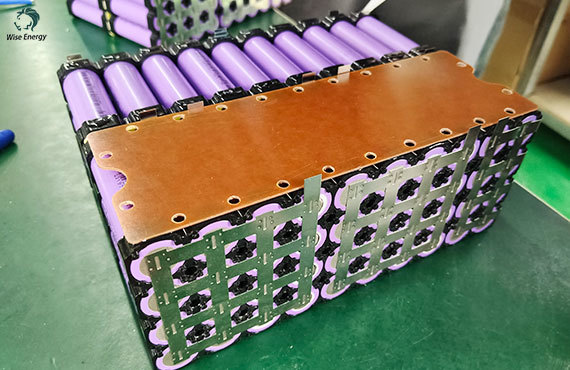
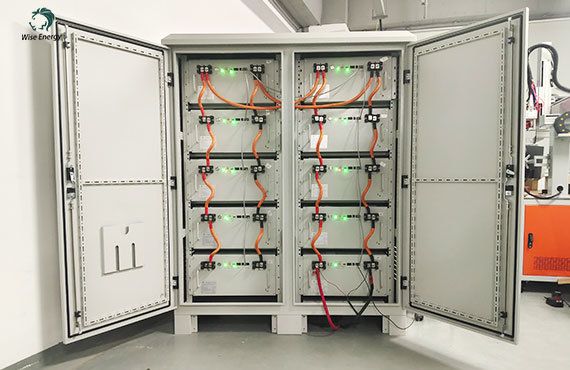
An energy storage system is a technology that stores energy for later use. It can capture energy produced at one time and release it at a later time to provide electricity or other forms of energy. ESS are crucial for balancing supply and demand, ensuring a stable and reliable energy supply, and integrating renewable energy sources into the grid.
One of the primary advantages of energy storage systems is their ability to improve energy efficiency. By storing excess energy generated during low-demand periods, ESS can release it during peak demand times, reducing the need for additional power generation and helping to balance the grid.

Furthermore, ESS can significantly reduce electricity costs by enabling users to take advantage of lower off-peak rates. By storing energy when prices are low and using it when prices are high, consumers can lower their overall energy expenses.
In addition, for homes and businesses looking to reduce their reliance on the grid, ESS provides a pathway to greater energy independence. By storing energy generated from renewable sources like solar or wind, users can ensure a continuous power supply even during grid outages or periods of low renewable generation.
Energy storage systems are revolutionizing the way we manage and use energy. With their ability to enhance energy efficiency, reduce costs, and support renewable energy integration, ESS are becoming essential for both residential and commercial applications. Investing in an ESS not only provides immediate benefits but also contributes to a more sustainable and resilient energy future.
Relevant information



Main office: Room 501, Building 3, No. 81, Dingye Road, Tangjiawan Town, High-tech District, Zhuhai City, Guangdong Province, China 519000
Manufacturing Center:Zhongneng Science Park, No. 168, Tanlong North Road,Tanzhou Town, Zhongshan, China
R&D and Sales Center in Oxford, UK:47,The Lawns, Kennington Road,Radley,Oxfordshire, UK, OX14 2JR
SAF Coolest v1.3.1.2 设置面板 GAGSD-ZGYF-JFAVE-ZQZ
无数据提示
Sorry, the current column is being updated, please look forward to it!