


NEWS
Different Types of Deep Cycle Batteries
Release time:
2024-07-17
Deep cycle batteries come in a few main types, each with its own pros and cons.
Deep cycle batteries come in a few main types, each with its own pros and cons. You’ve got the old-school flooded lead-acid batteries, the low-maintenance gel batteries, the high-tech lithium LiFePO4 batteries, and the innovative lithium titanate (LTO) batteries. Here’s what you need to know about each:
Cost: Some are cheaper than others.
Maintenance: Some need more care.
Energy Storage: Some hold more power.
Recharge Speed: Some charge faster.
Knowing the basics about these batteries can help you pick the right one for your needs, whether you’re setting up a quiet solar system or gearing up for an off-grid adventure. Here’s information about each type:
Flooded Lead-Acid Batteries
Flooded lead acid batteries, often called traditional lead acid batteries or just flooded batteries, are well-known for being cheap, widely available, and fairly reliable. To take care of a flooded lead acid battery, you need to add distilled water when needed, do equalization charges, and check the electrolyte levels. Be careful with these tasks because charging can release hydrogen gas, so good ventilation is important for safety.
Absorbed Glass Mat (AGM) Batteries
AGM batteries, short for Absorbed Glass Mat batteries, represent a modern and low-maintenance member of the lead acid battery family. Thanks to their design incorporating a glass mat that tightly contains the electrolyte, these batteries do not require fluid refills and can be installed in various positions.
Although they tend to have a higher initial cost compared to traditional flooded lead-acid batteries, their convenience due to minimal maintenance needs and installation flexibility makes them an attractive option for many users.
Gel Batteries: Sealed and Maintenance-Free
Among deep-cycle batteries, gel batteries are tough and easy to take care of. They are sealed and don’t need any maintenance. Inside, they have a thickened electrolyte made with silica and a small valve to keep the pressure just right. This makes them very durable and able to keep their power without losing charge quickly.
Gel batteries are great for solar energy systems because they provide steady electricity without needing constant attention or fluid refills. They are also eco-friendly since they can be recycled, making them a good choice for the environment.
Lithium LiFePO4 Batteries
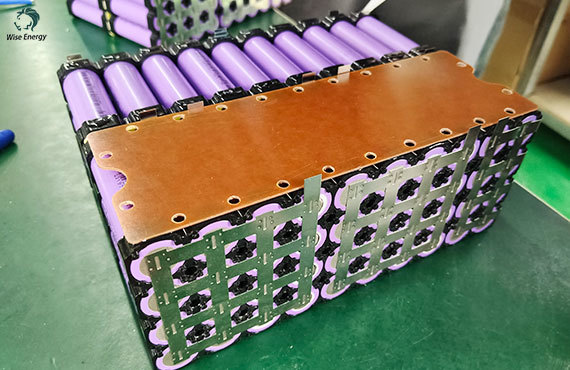
Lithium LiFePO4 batteries are the new kids on the block, bringing a breath of fresh air to the deep cycle battery scene with their lightweight design, quick charging capabilities, and long life. These batteries are especially loved in off-grid places, where reliability is key, and in uses like boats and RVs, where saving space and weight matters.
Users appreciate their steady voltage and high efficiency, making them an excellent choice for those who want reliable and easy-to-use batteries. With the added perk of fast and safe charging, it’s no wonder that lithium LiFePO4 batteries are becoming popular in many different uses. They’re also non-toxic and better for the environment.
Lithium Titanate (LTO) Batteries
Lithium Titanate (LTO) batteries are an advanced type of lithium battery that stand out for their exceptional durability, fast charging times, and extended life cycles. Unlike other lithium batteries, LTO batteries use lithium titanate for the anode, which significantly enhances their performance and safety.
LTO batteries are highly resistant to thermal and chemical stress, making them one of the safest battery options available. They are known for their ability to charge rapidly, often in a fraction of the time it takes other batteries, and they can endure many more charge-discharge cycles, often exceeding 10,000 cycles. This makes them an ideal choice for applications requiring frequent and fast recharges, such as electric vehicles, grid energy storage, and critical backup systems.
Though LTO batteries tend to be more expensive upfront, their long-term cost-effectiveness and reliability can outweigh the initial investment. They also perform exceptionally well in extreme temperatures, making them versatile for a wide range of environments.
Relevant information


Main office: Room 501, Building 3, No. 81, Dingye Road, Tangjiawan Town, High-tech District, Zhuhai City, Guangdong Province, China 519000
Manufacturing Center:Zhongneng Science Park, No. 168, Tanlong North Road,Tanzhou Town, Zhongshan, China
R&D and Sales Center in Oxford, UK:47,The Lawns, Kennington Road,Radley,Oxfordshire, UK, OX14 2JR
SAF Coolest v1.3.1.2 设置面板 GAGSD-ZGYF-JFAVE-ZQZ
无数据提示
Sorry, the current column is being updated, please look forward to it!