


NEWS
How Much Energy Storage Does a Home Need? Understanding Residential Energy Storage Requirements
Release time:
2024-12-10
The amount of energy storage you need for your home depends on your daily energy consumption, the generation capacity of your renewable energy system, and how long you want to be able to rely on stored energy during power outages.
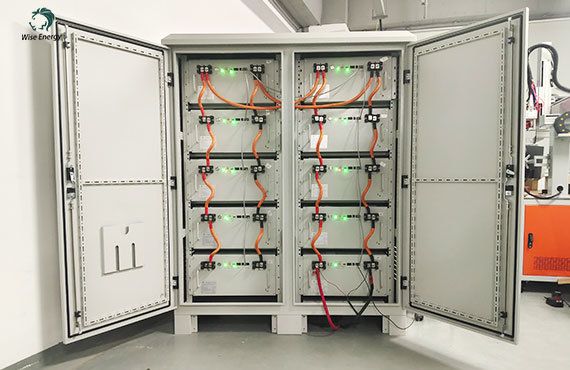
When considering energy storage for a home, determining how much energy storage capacity is needed depends on several factors, including the home’s energy consumption, the availability of renewable energy sources (like solar or wind), and the desired backup power duration. Energy storage systems allow homeowners to store excess energy generated during the day (e.g., from solar panels) for use during periods of high demand or when renewable energy generation is low (e.g., at night or during cloudy days). Here's a breakdown of how to assess your home's energy storage needs.

Factors Influencing Energy Storage Requirements
-
Home Energy Consumption
The amount of energy your home consumes on a daily basis is one of the most critical factors in determining how much storage you need. This is measured in kilowatt-hours (kWh), which is the unit of energy used by electric utilities.-
To estimate your daily energy consumption, check your recent electricity bills for the average daily usage in kWh. For instance, a typical home may use between 20 to 30 kWh per day depending on the size of the household, energy-efficient appliances, and overall energy usage habits.
-
-
Renewable Energy Generation (e.g., Solar)
If you have a solar energy system, the amount of energy your solar panels generate during the day will significantly influence the size of the storage system you need. Solar systems are usually sized to meet the home's daily energy needs, with an additional buffer to account for cloudy days or times of high energy demand.-
For example, a home with 6 kW solar panels might generate around 30 kWh of electricity per day (depending on location, panel efficiency, and sunlight hours). In this case, the energy storage system would need to store that excess energy generated during the day for later use.
-
-
Desired Backup Power Duration
Another important factor is how long you want to be able to power your home in the event of a grid outage. For example, if you want to run essential appliances (lights, refrigerator, some electronics) during an outage for 24 hours, you would need a storage system that can meet that demand.-
For a home that uses 20 kWh per day, you would need at least 20 kWh of storage to cover one full day of energy consumption during a grid outage. However, many homeowners also opt for additional storage to cover 2-3 days of autonomy for more extended outages.
-
-
Self-Consumption vs. Full Backup
Decide whether your energy storage system will be used only for self-consumption (storing excess solar energy for later use) or if it will provide full backup power for your entire home. For full backup, you may need a much larger system, depending on the appliances and devices you wish to keep running during a power outage. -
Battery Efficiency and Losses
It's important to factor in the efficiency of the battery storage system, as batteries typically lose some energy during both charging and discharging. A typical round-trip efficiency (the energy efficiency for storing and then using the stored energy) is between 80-95%, meaning you need to size your system slightly larger to account for these losses.
How to Calculate Energy Storage Needs
To determine how much energy storage capacity is required for your home, follow these steps:
-
Estimate your daily energy consumption (e.g., from utility bills or energy usage monitors).
-
Factor in the solar energy generated (if you have solar panels). Determine how much of your daily energy needs can be met by solar energy and how much needs to be stored.
-
Determine desired backup time (e.g., do you want backup for 1 day, 2 days, or more?).
-
Consider battery efficiency (multiply your required storage by an efficiency factor to account for energy losses).
For example:
-
A home consumes 30 kWh/day and generates 15 kWh/day from solar panels.
-
To cover the remaining 15 kWh/day (and assuming 90% battery efficiency), you would need a 16.7 kWh battery system.
-
If you want 2 days of backup, you would need around 33.4 kWh of storage to meet that demand.
Types of Energy Storage for Homes
There are several options for energy storage systems that can be used for homes, each with different capacities and characteristics:
-
Lithium-ion Batteries
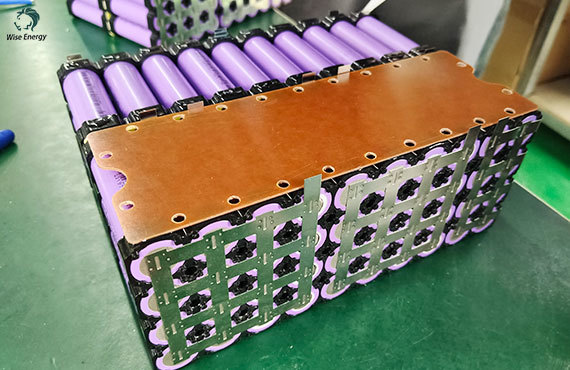
Lithium-ion (Li-ion) batteries are among the most popular choices for residential energy storage. They offer high energy density, efficiency, and relatively low maintenance. A typical home storage system might range from 5 kWh to 20 kWh, with the ability to scale up depending on your needs. -
Lithium Titanate Oxide (LTO) Batteries
LTO batteries are a type of lithium battery that provides exceptional longevity and safety, making them ideal for long-term, high-cycle applications. They can be a bit more expensive but offer more consistent performance over time. -
Lead-acid Batteries
Lead-acid batteries are a more traditional option, though they are less efficient and have a shorter lifespan compared to lithium-based systems. They are still used in some home energy storage applications due to their lower initial cost. -
Saltwater Batteries
Saltwater batteries are an emerging technology that offers an environmentally friendly option for energy storage. These systems are safe and long-lasting, though they may not yet be as widely available as lithium-ion systems.
Conclusion
The amount of energy storage you need for your home depends on your daily energy consumption, the generation capacity of your renewable energy system, and how long you want to be able to rely on stored energy during power outages. Typically, homes require between 10 kWh to 30 kWh of energy storage, but this can vary depending on the factors mentioned above. A well-sized energy storage system can help homeowners achieve energy independence, reduce utility costs, and provide reliable backup power in case of emergencies.
Relevant information


Main office: Room 501, Building 3, No. 81, Dingye Road, Tangjiawan Town, High-tech District, Zhuhai City, Guangdong Province, China 519000
Manufacturing Center:Zhongneng Science Park, No. 168, Tanlong North Road,Tanzhou Town, Zhongshan, China
R&D and Sales Center in Oxford, UK:47,The Lawns, Kennington Road,Radley,Oxfordshire, UK, OX14 2JR
SAF Coolest v1.3.1.2 设置面板 GAGSD-ZGYF-JFAVE-ZQZ
无数据提示
Sorry, the current column is being updated, please look forward to it!